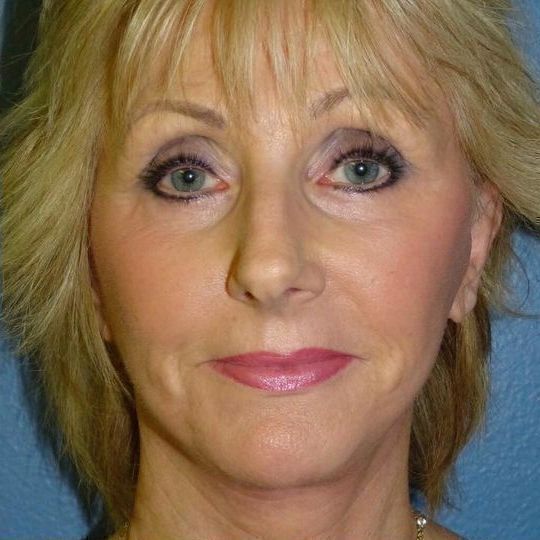
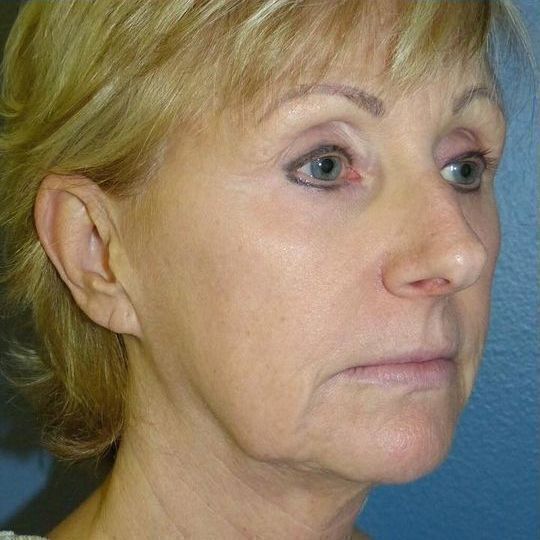
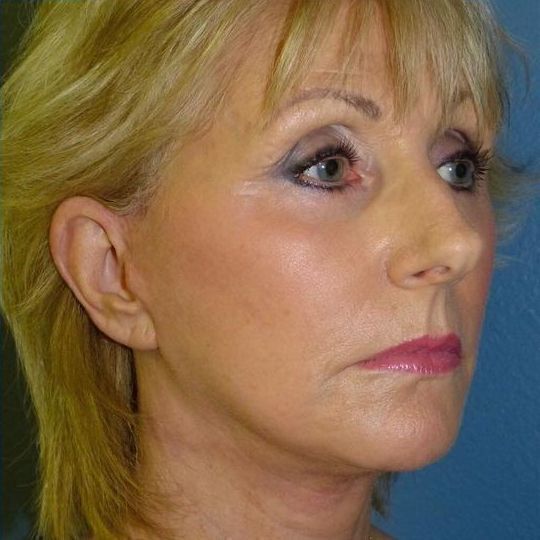
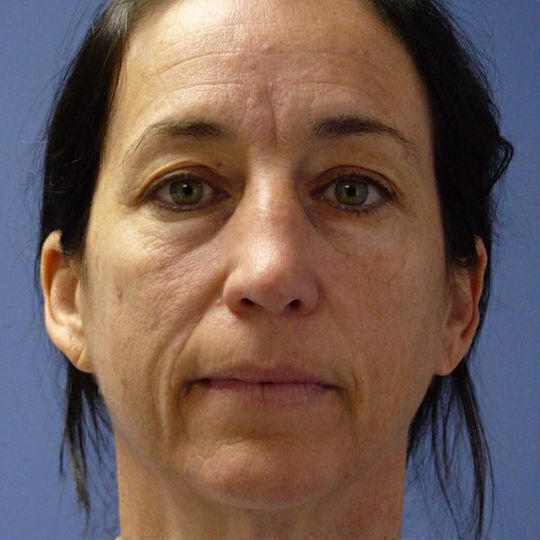
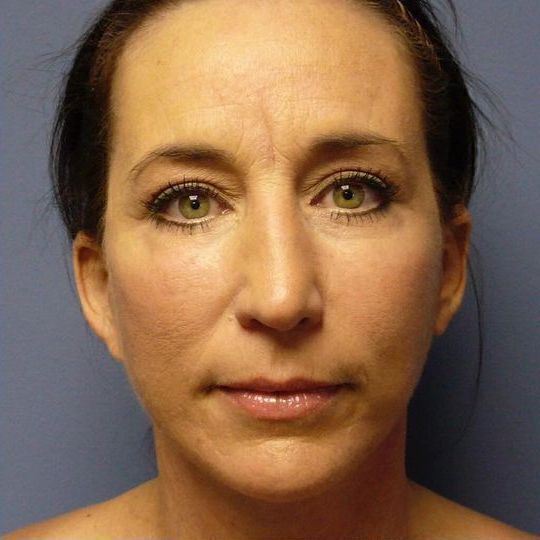
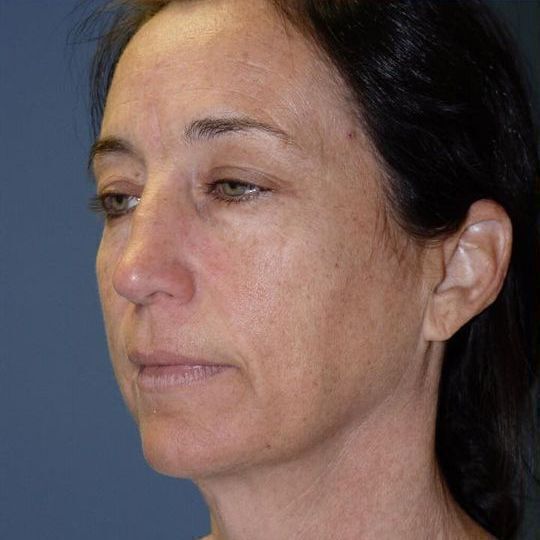
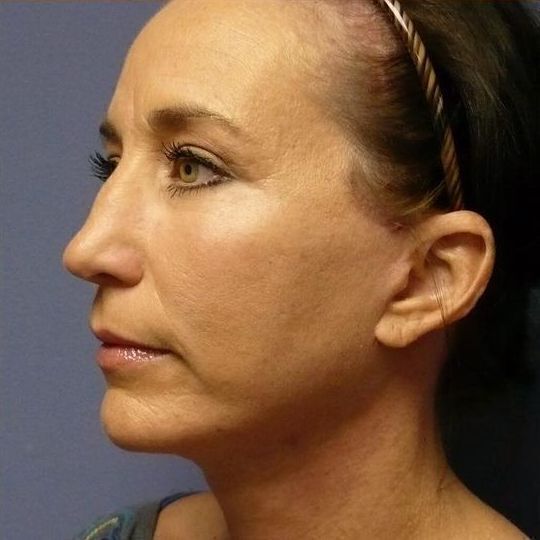
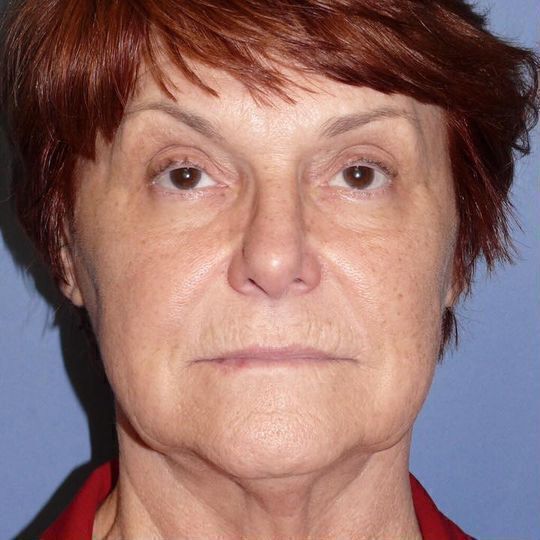
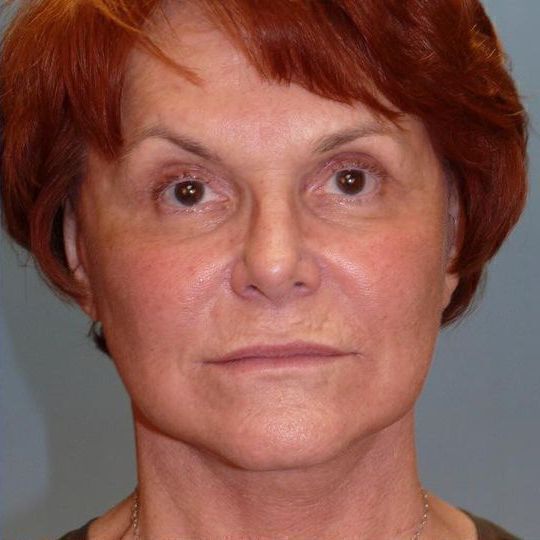
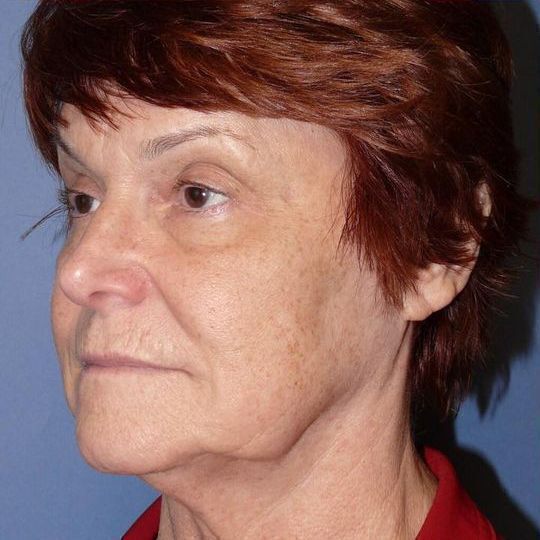
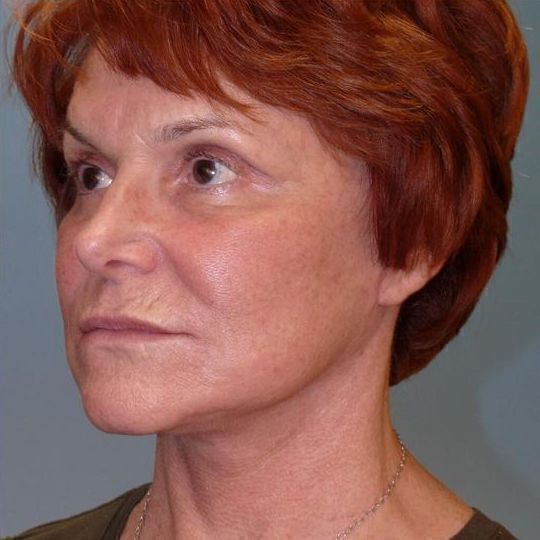
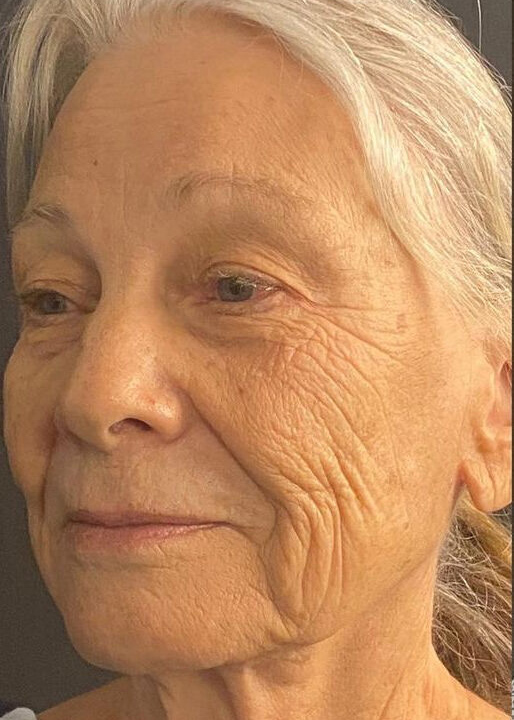
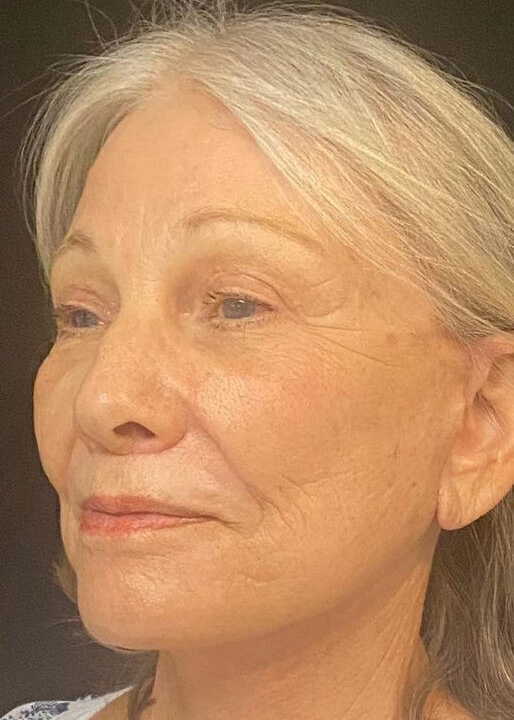
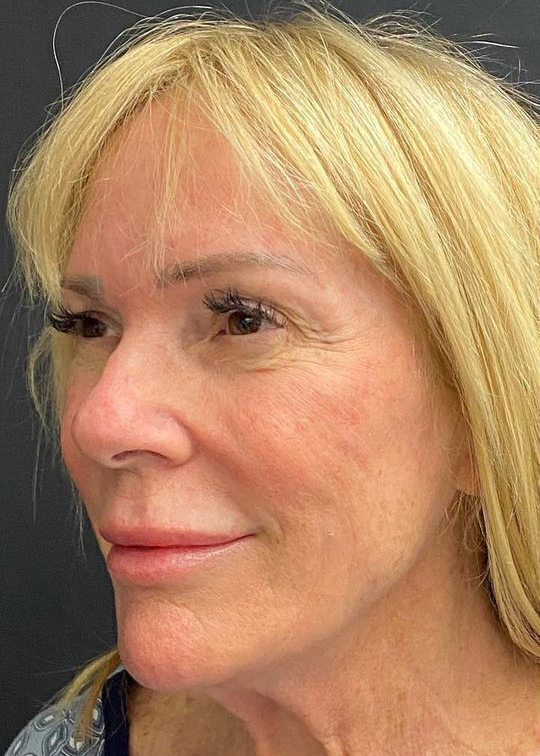
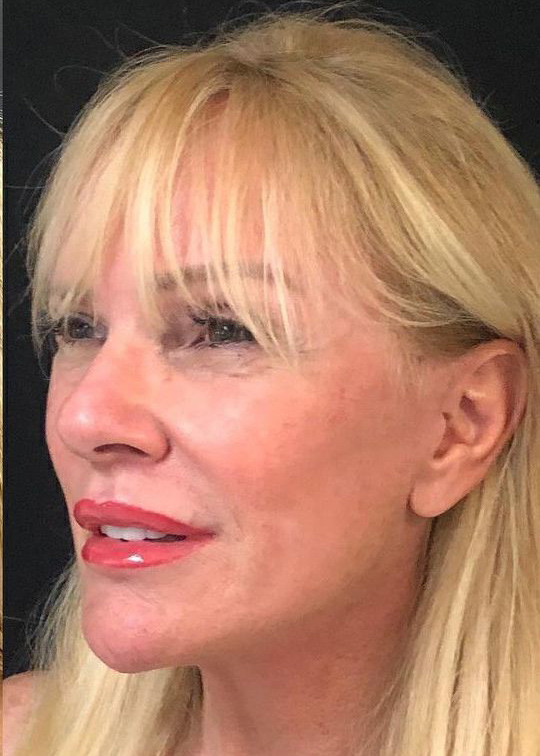
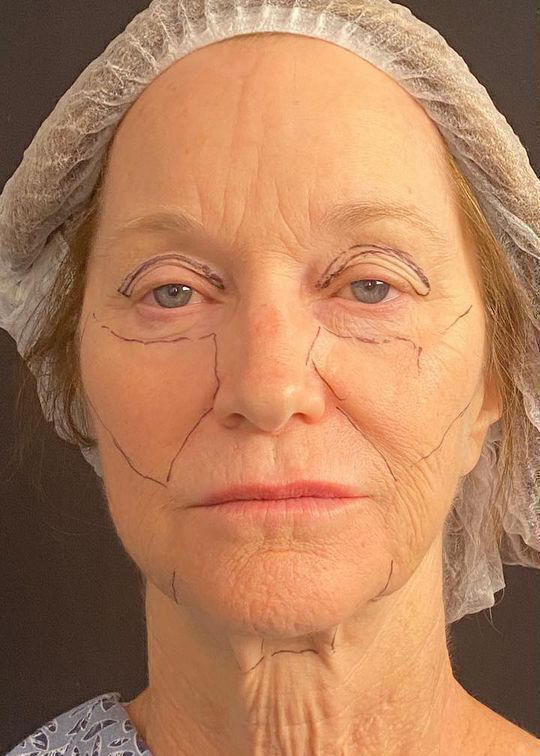
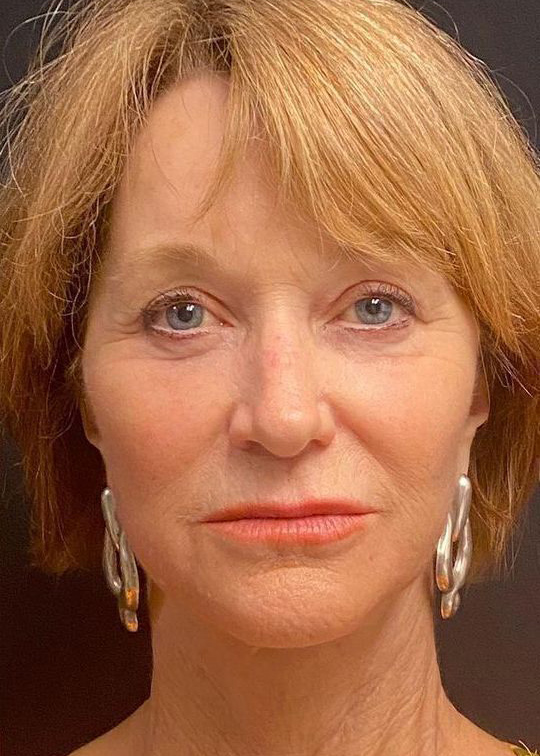
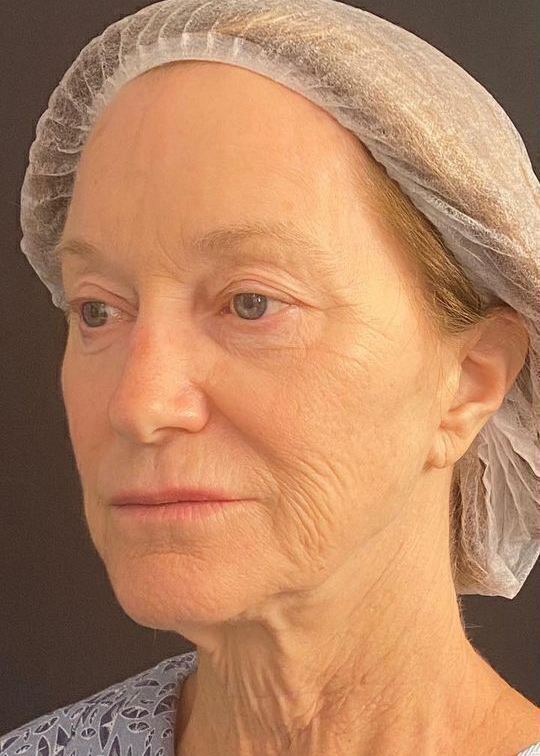
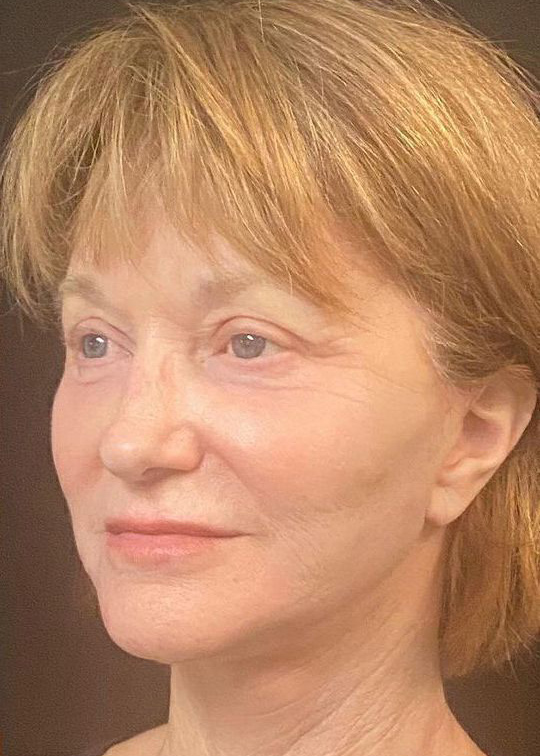
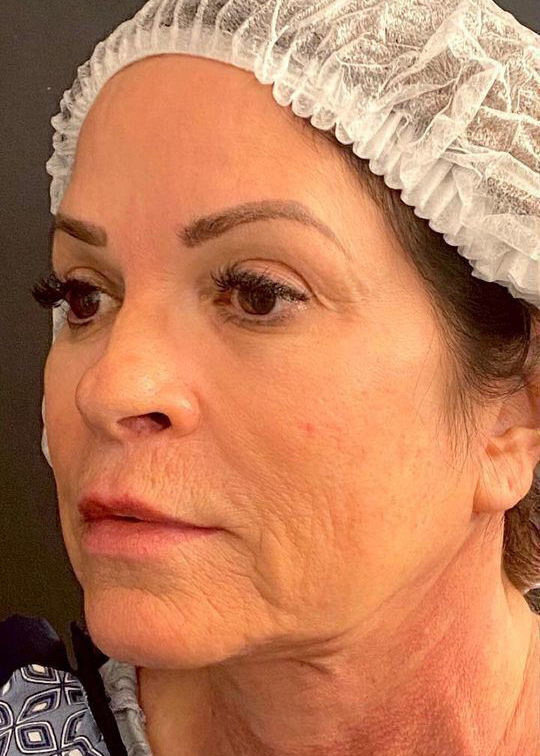
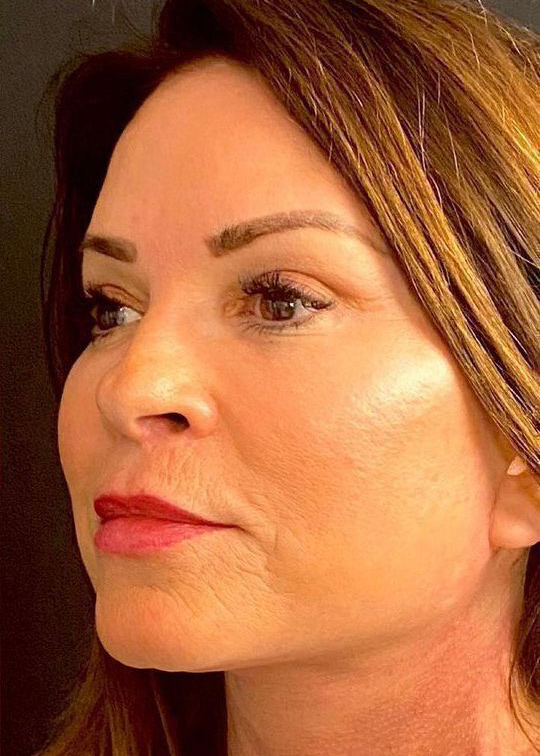
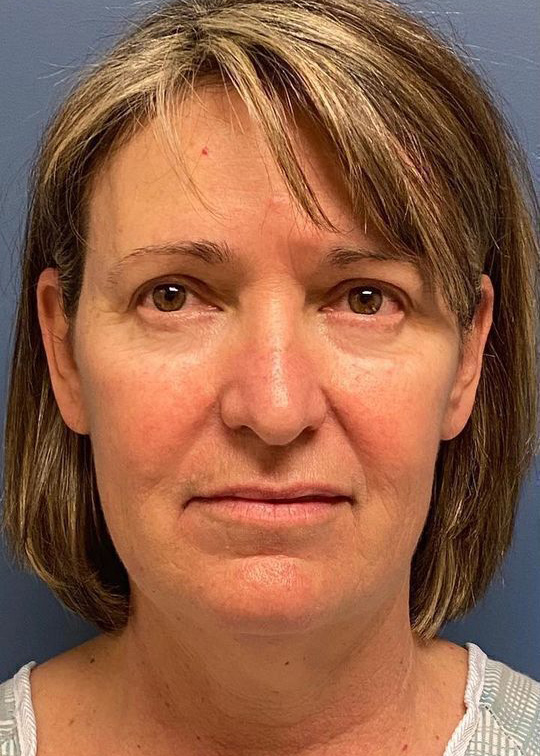
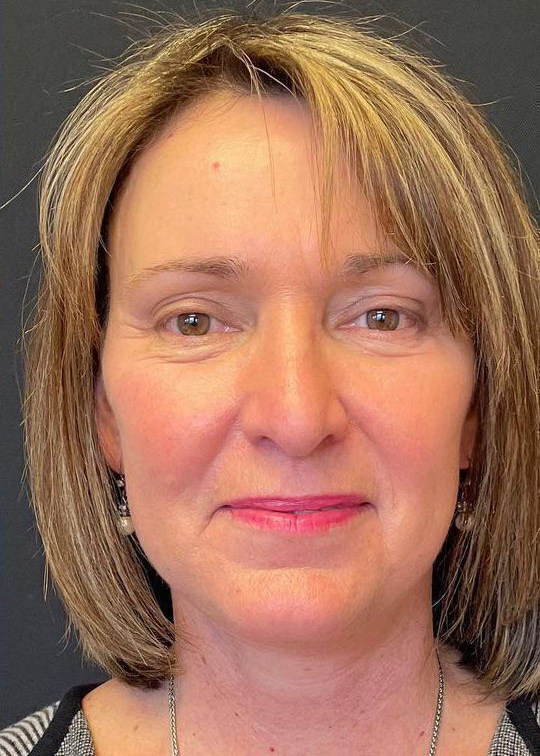
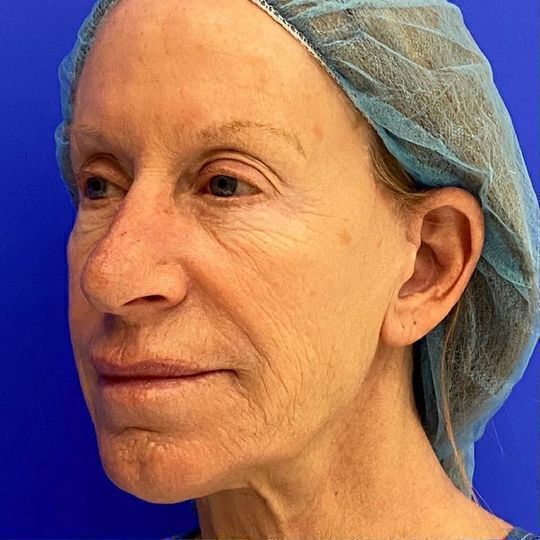
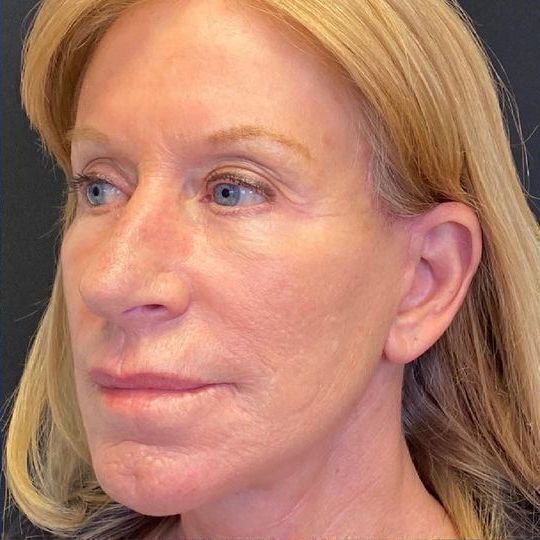
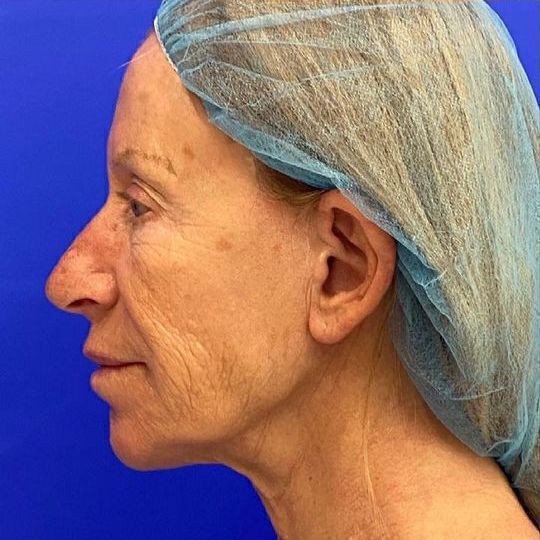
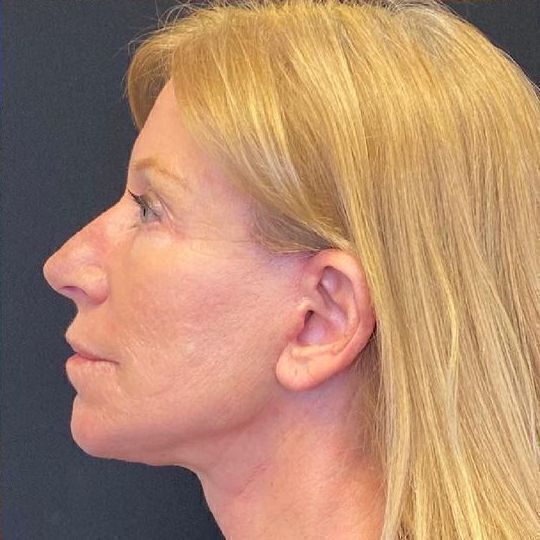
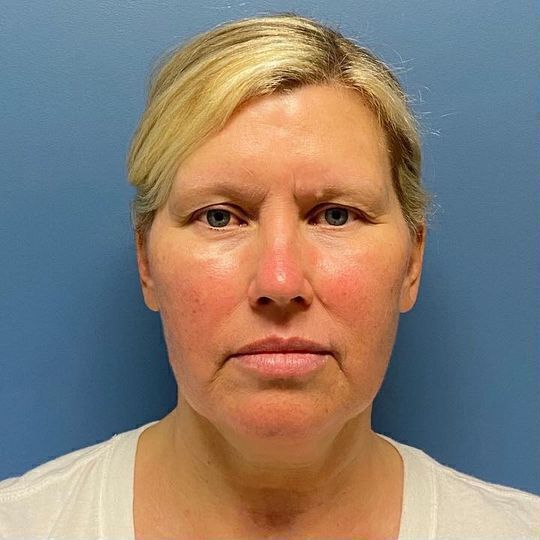
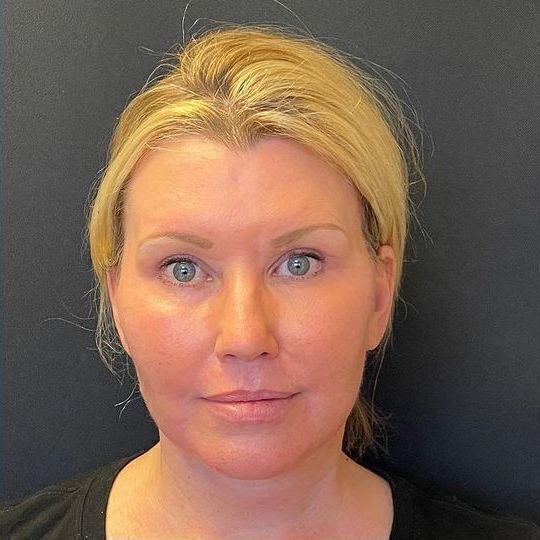
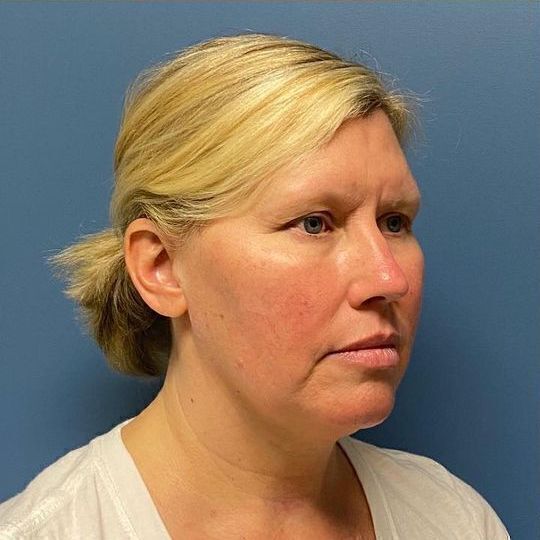
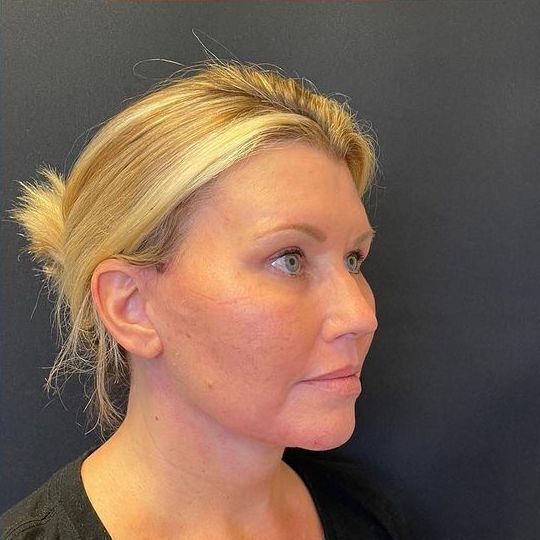
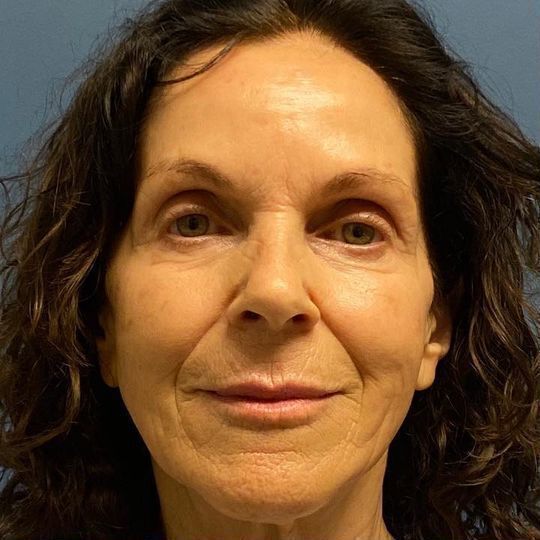
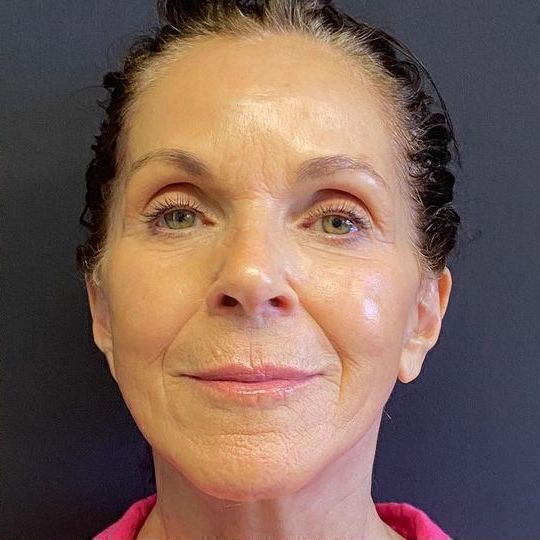
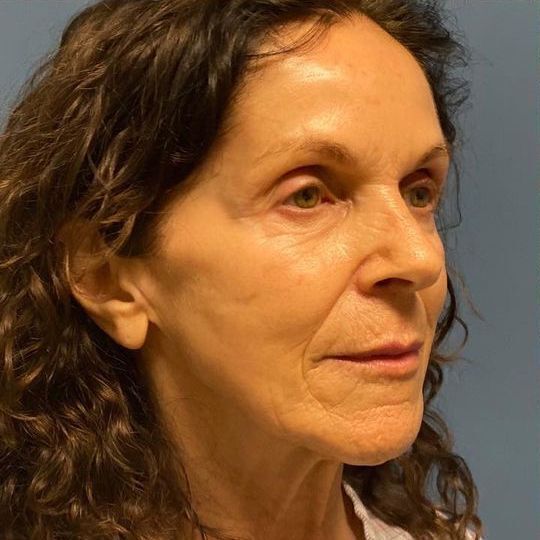
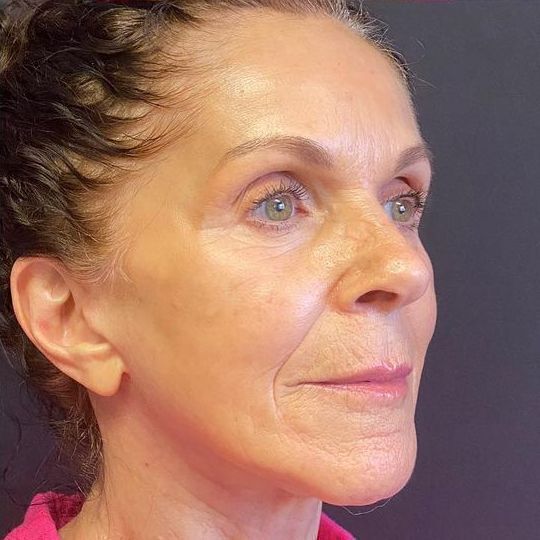
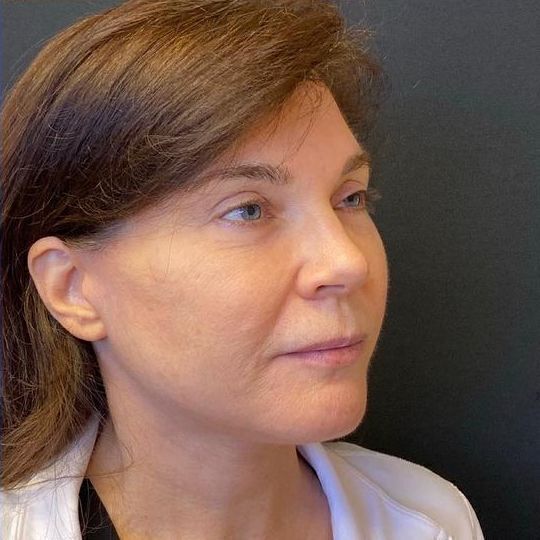
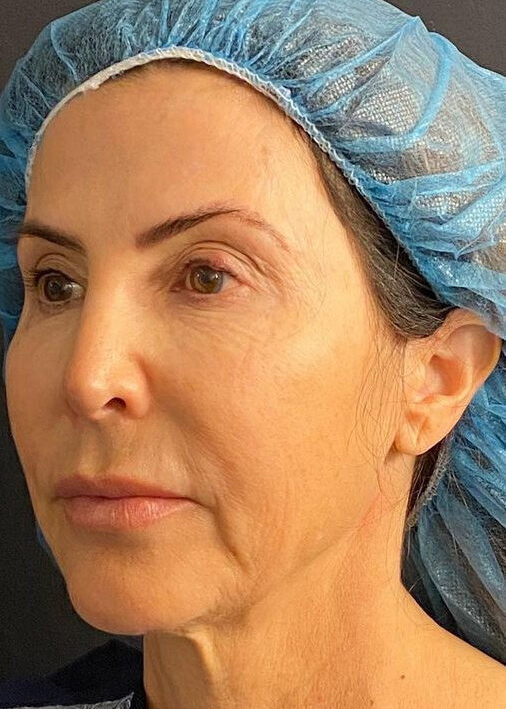
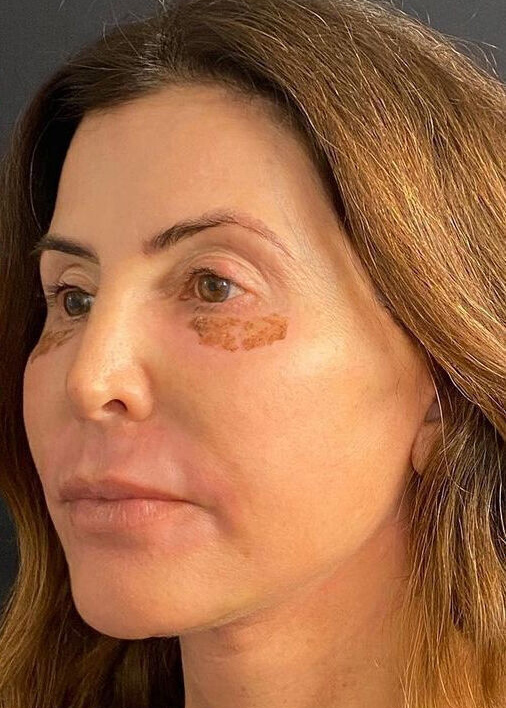
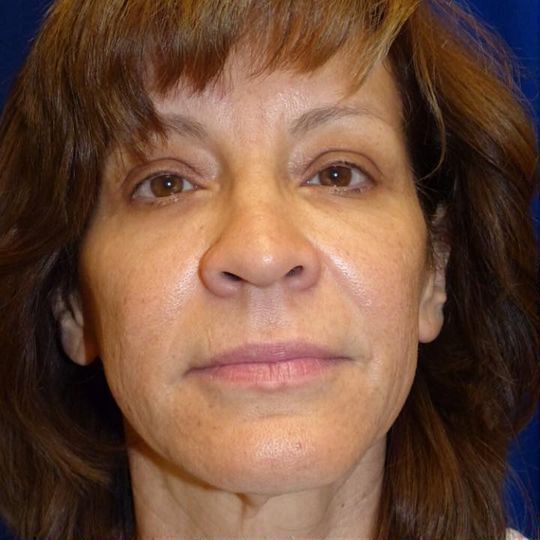
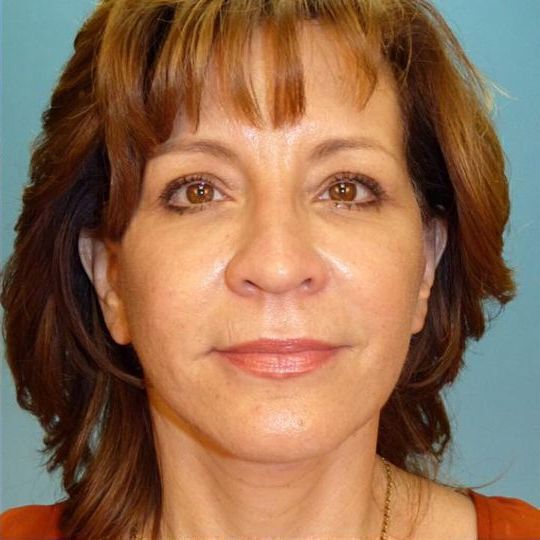
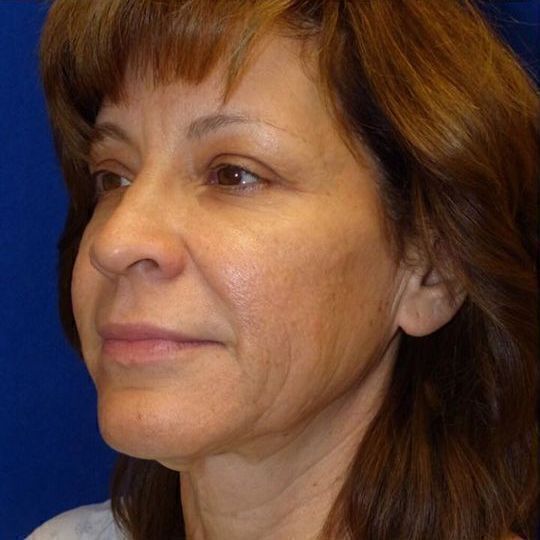
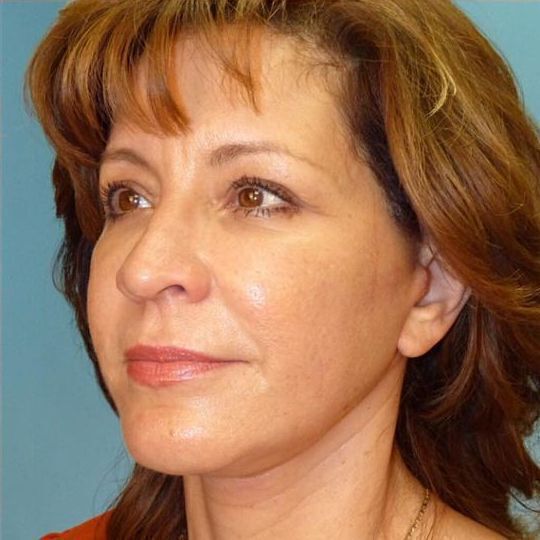
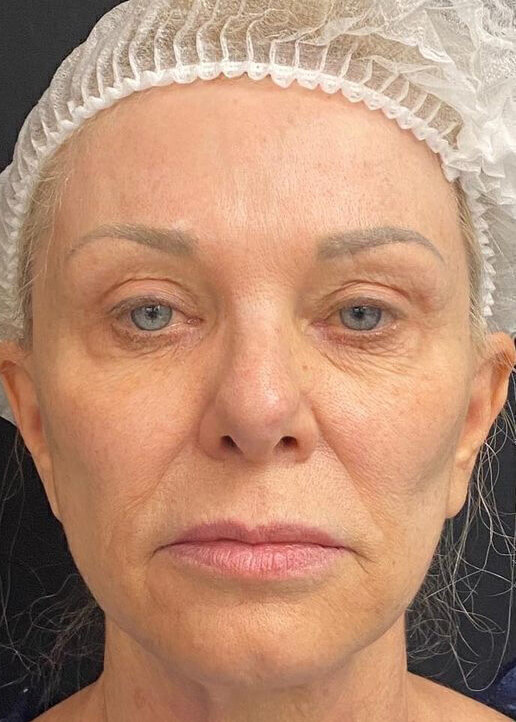
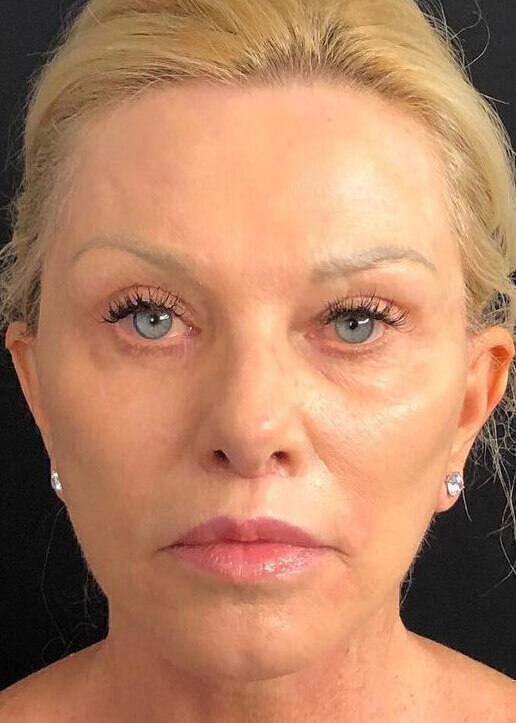
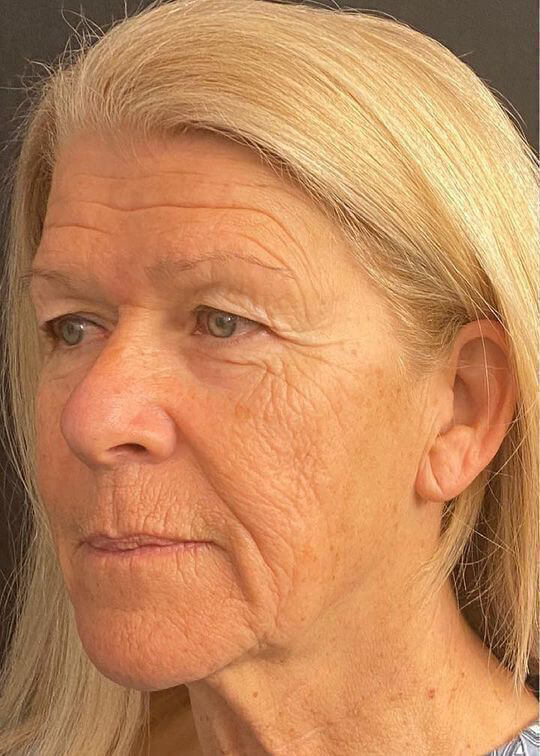
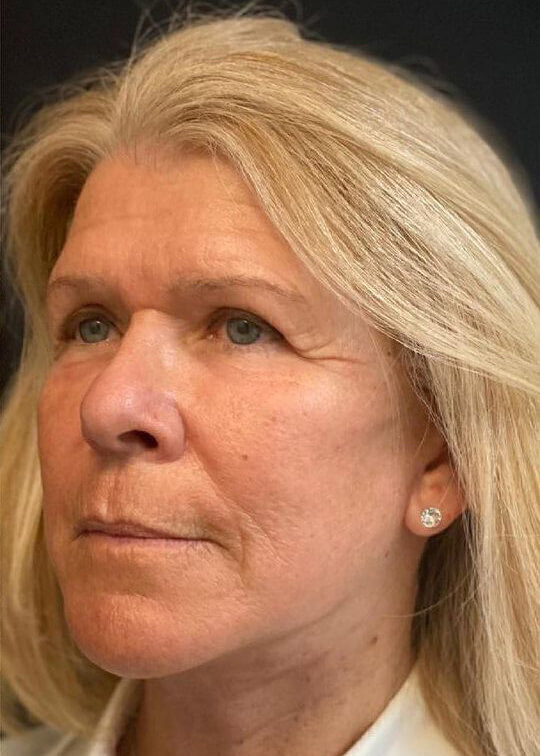
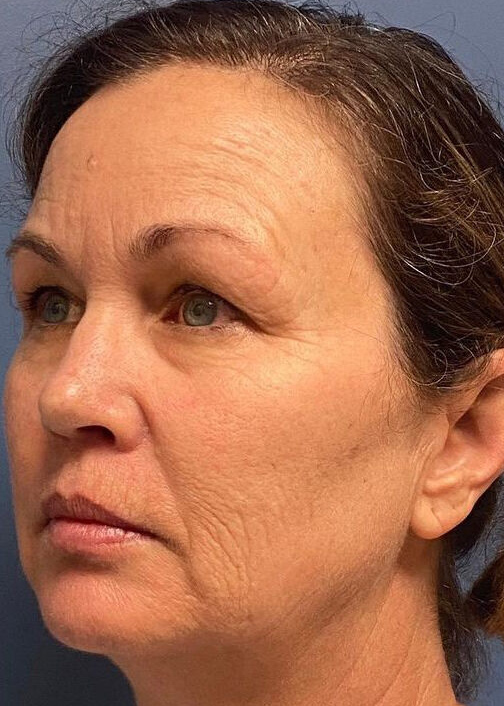
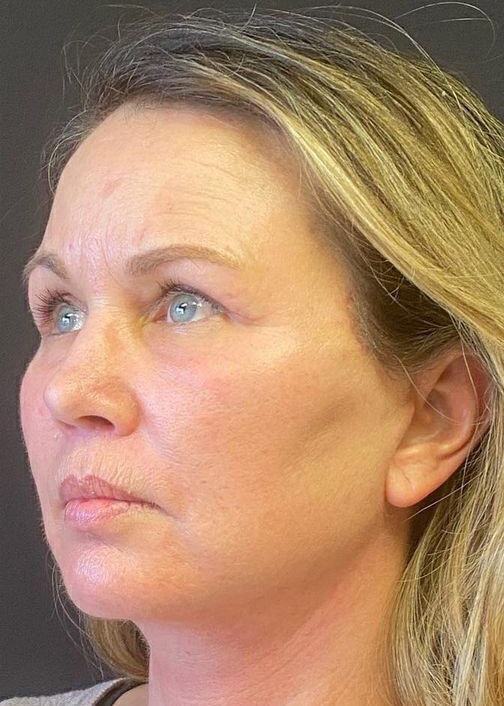
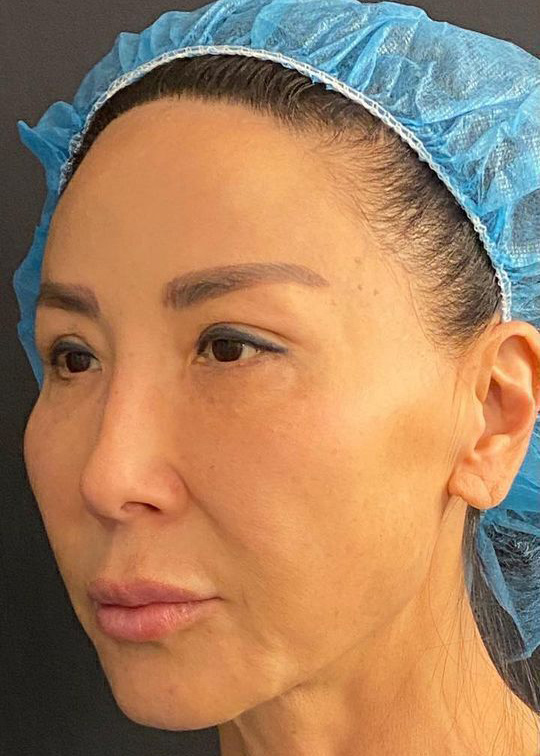
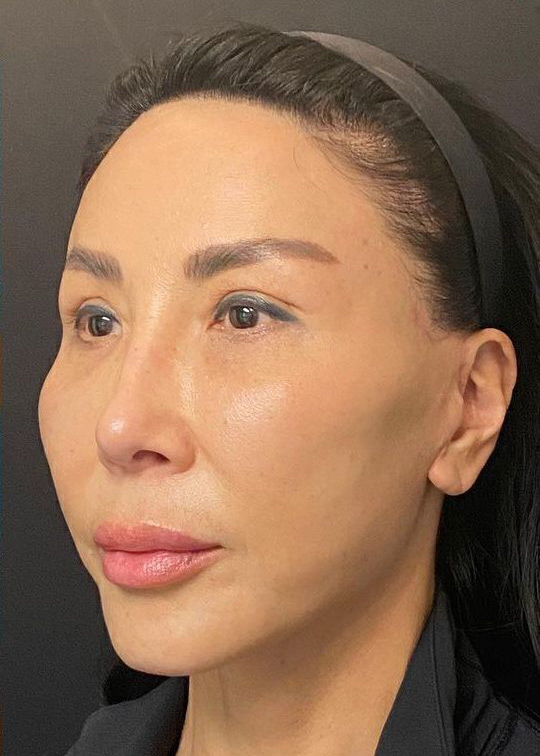
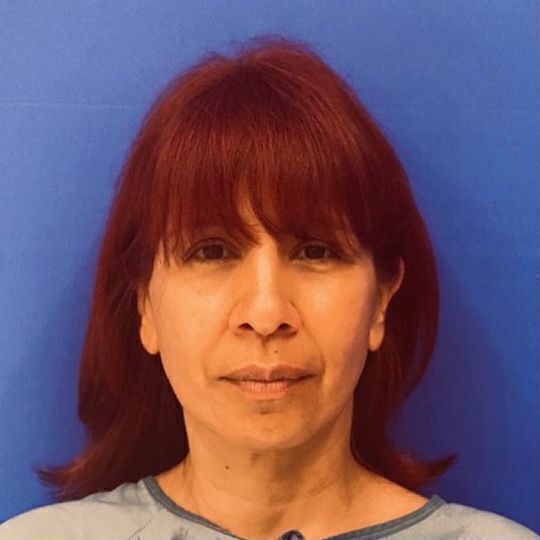
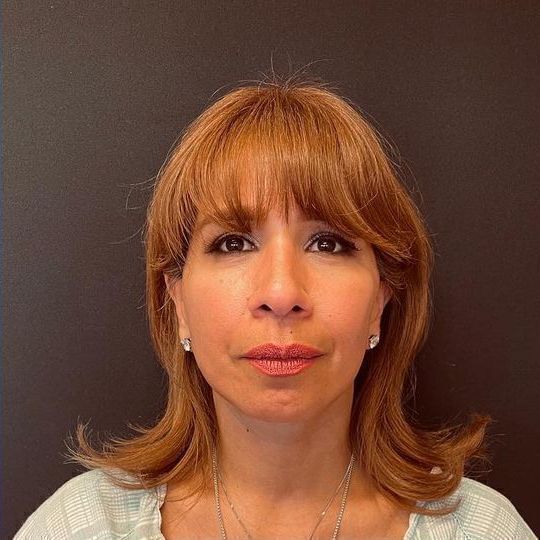
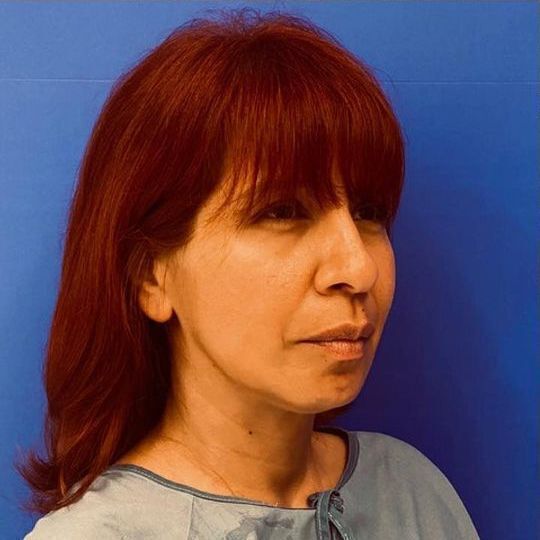
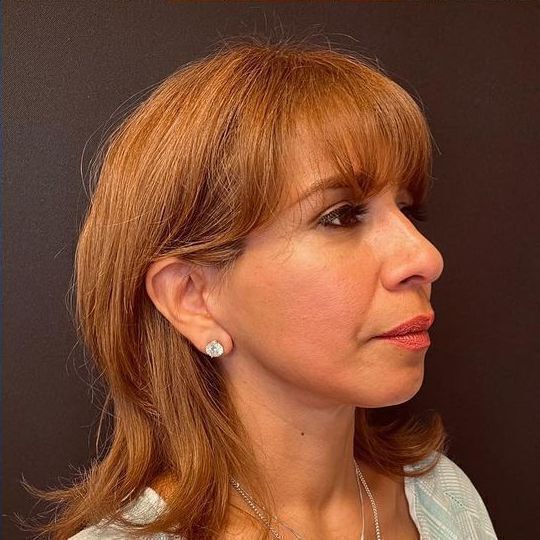
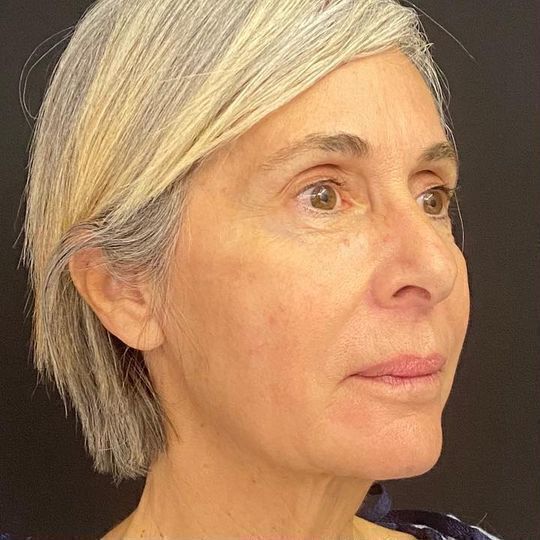
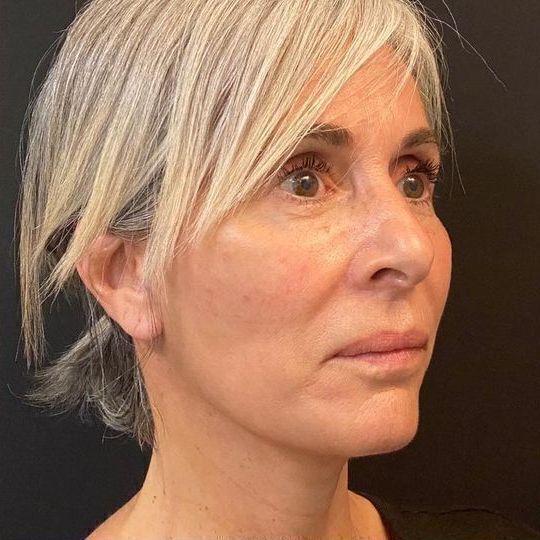
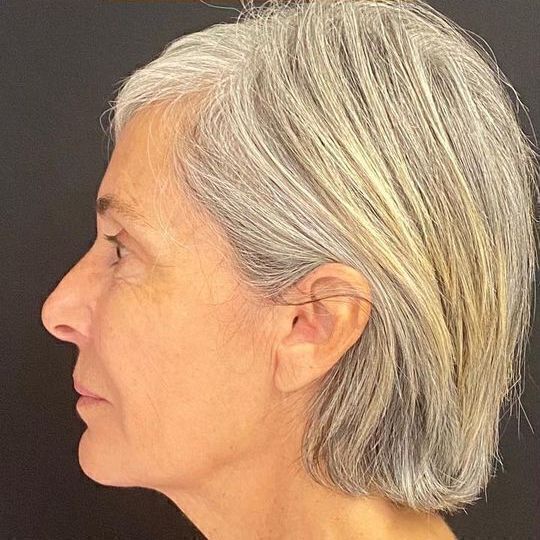
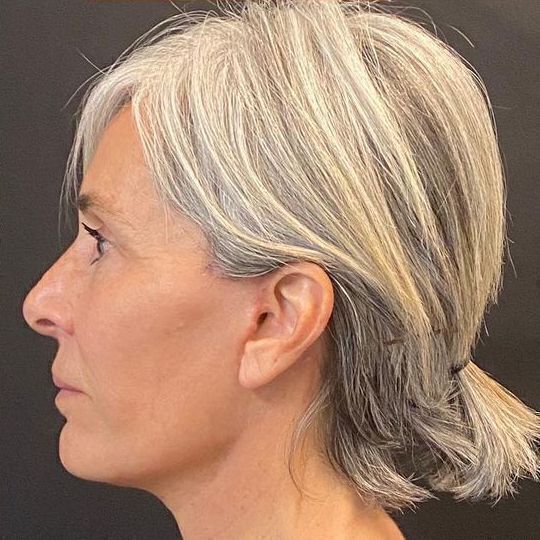
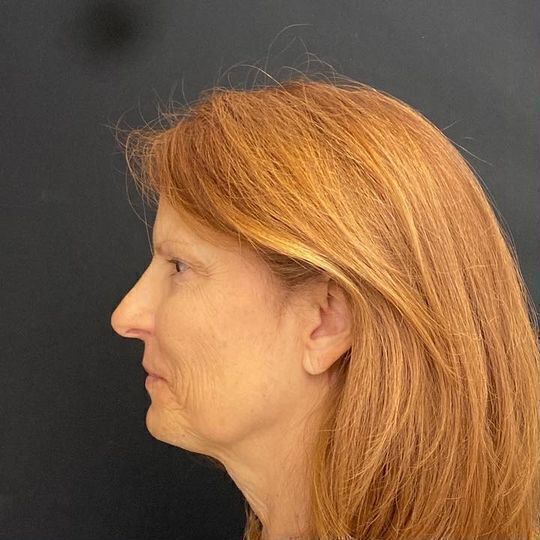
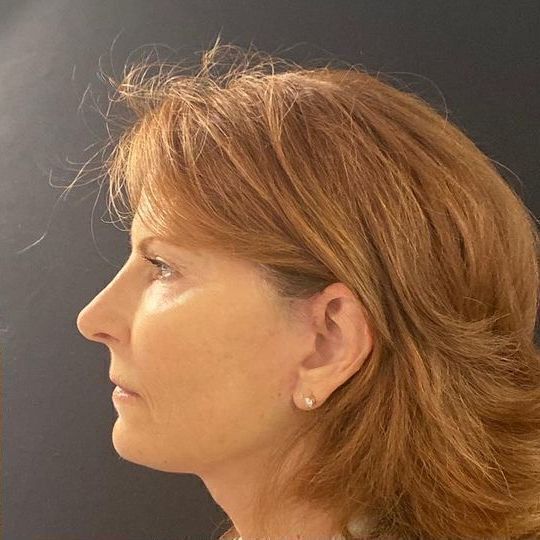
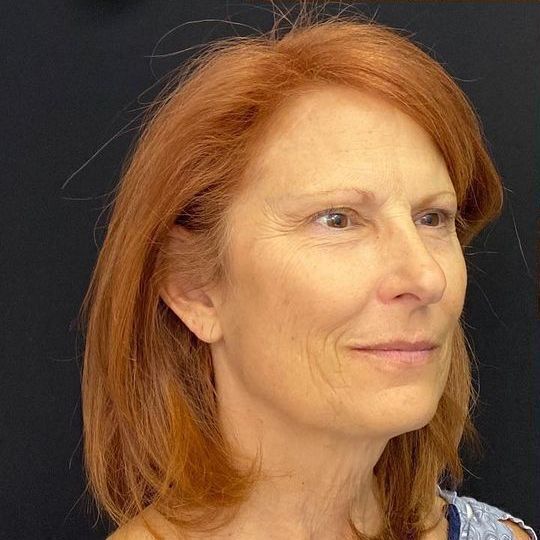
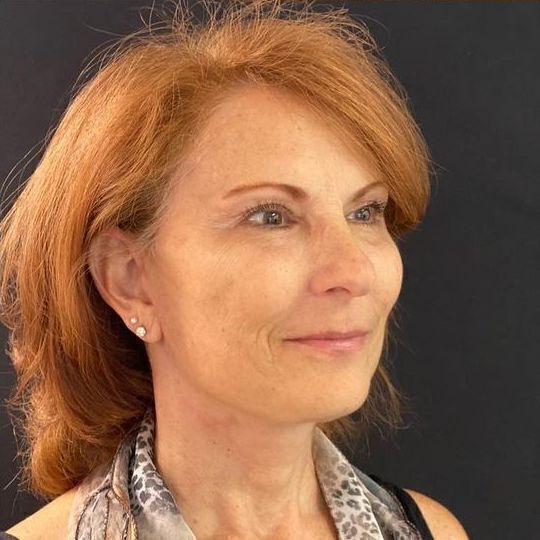
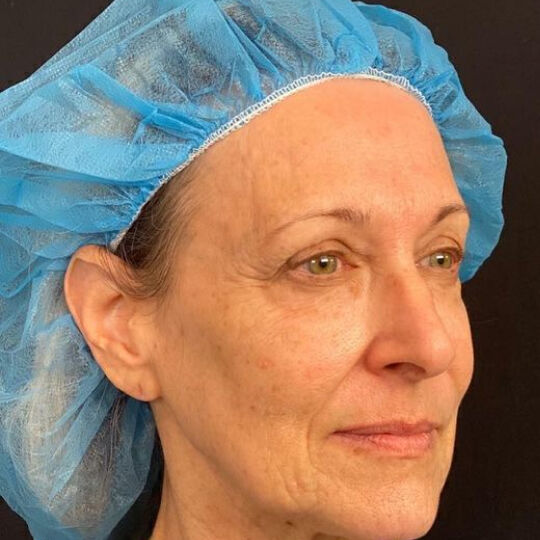
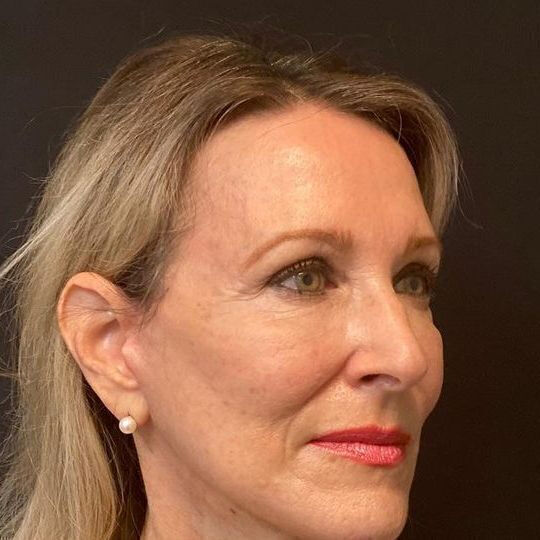
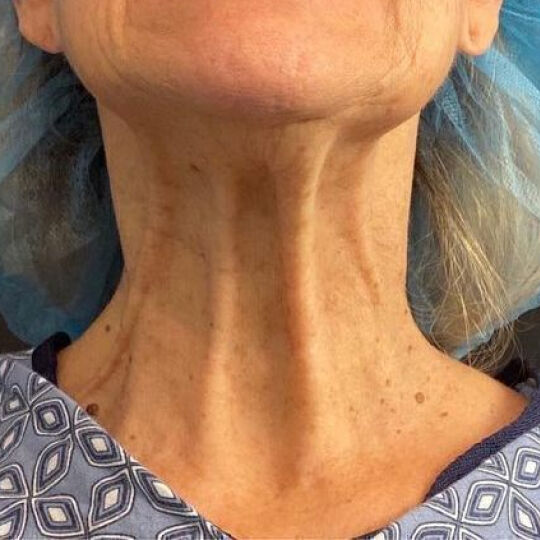
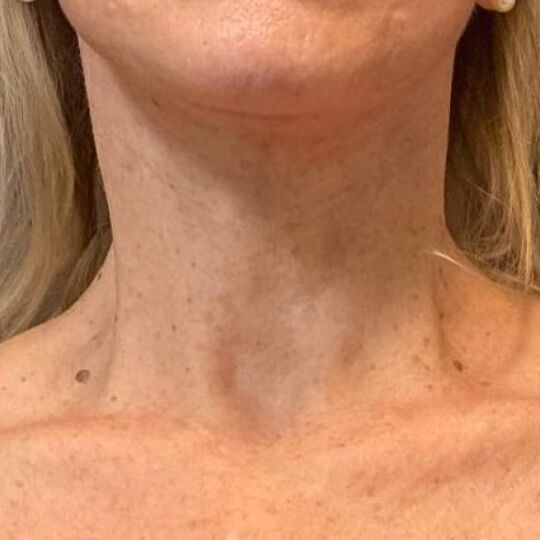
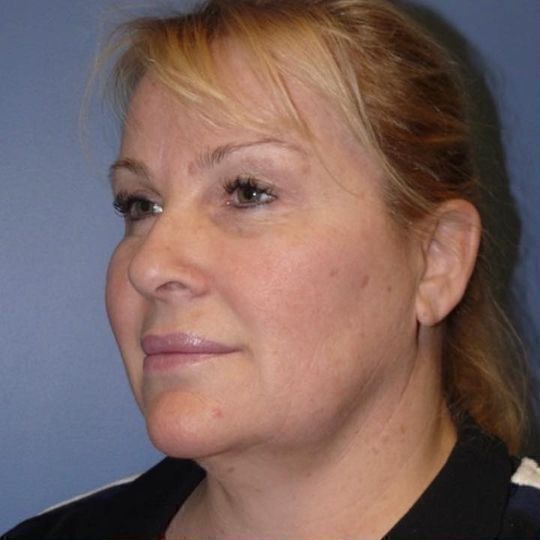
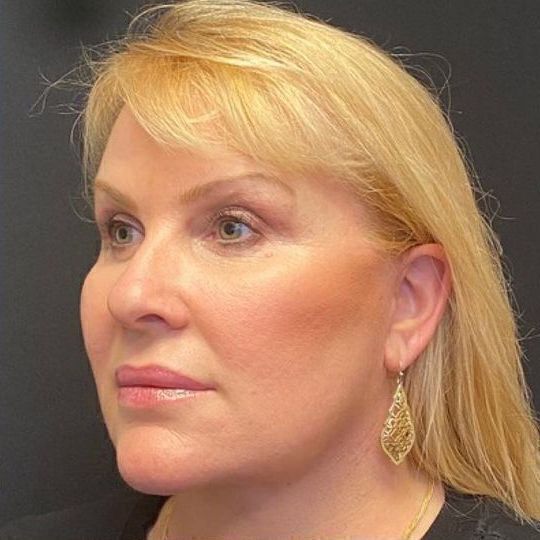
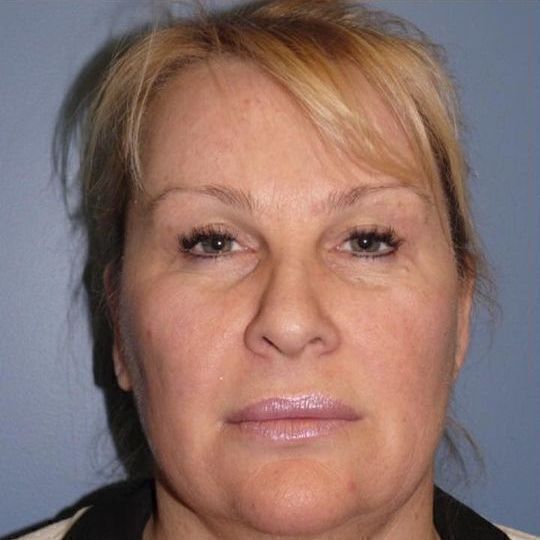
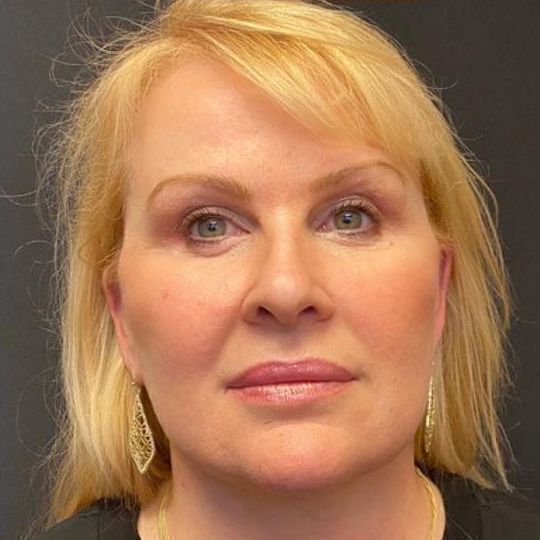
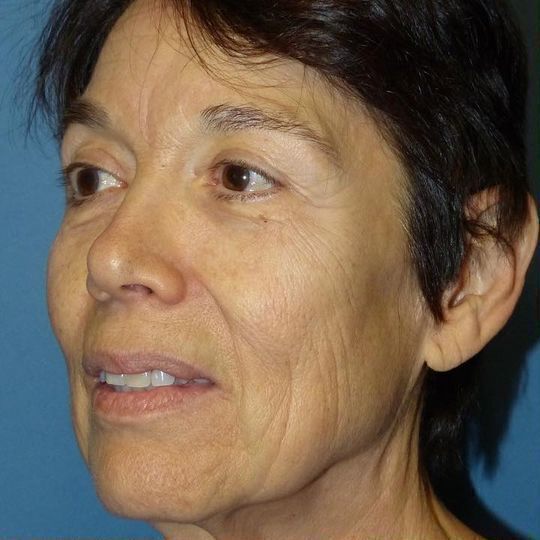
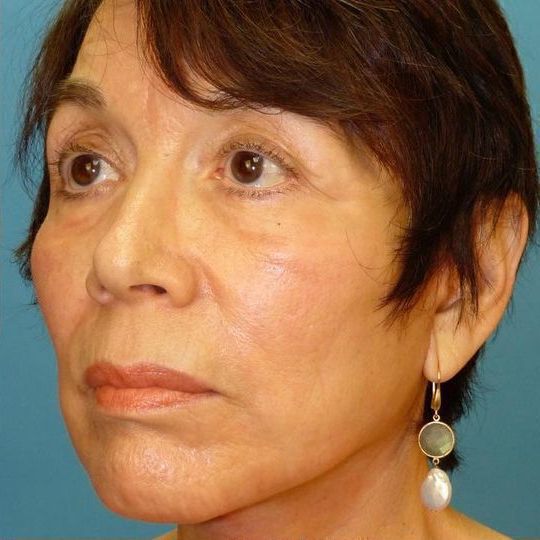
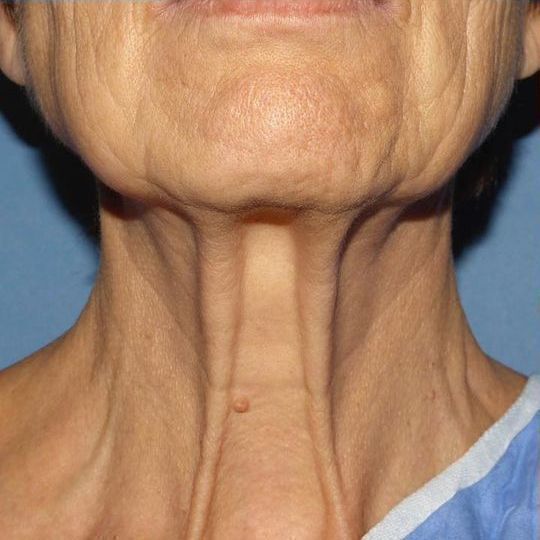
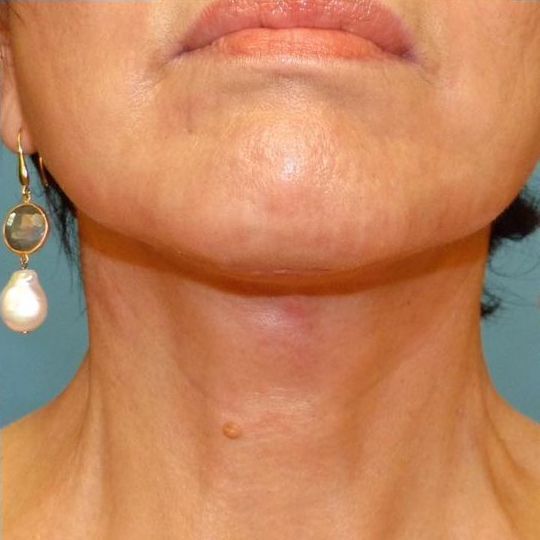
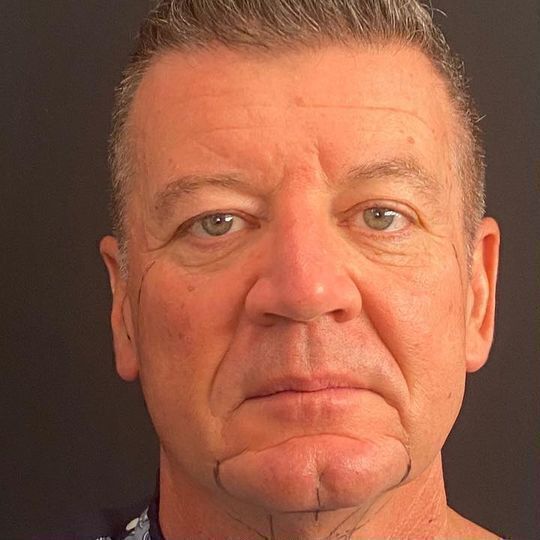
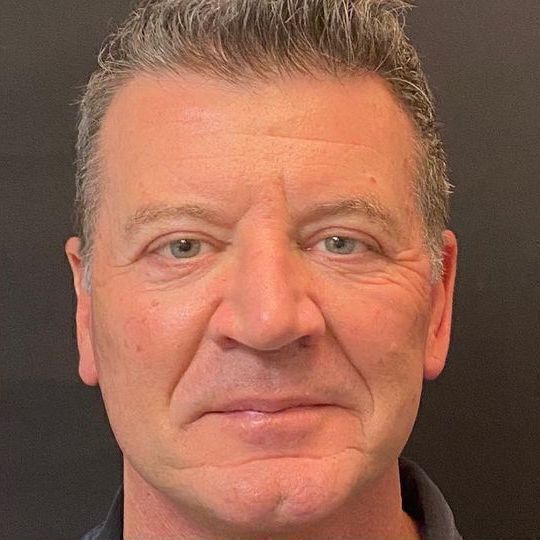
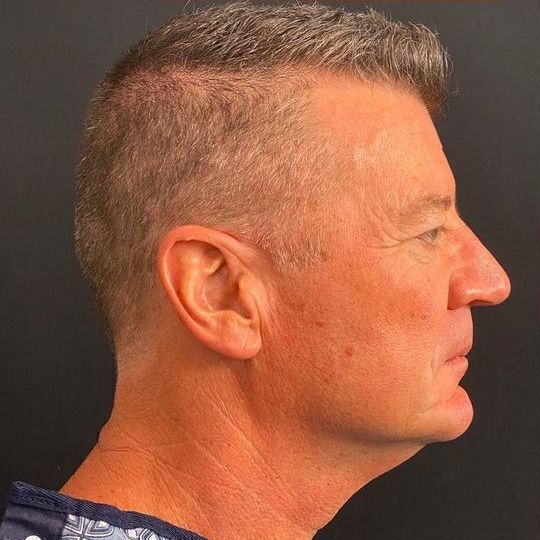
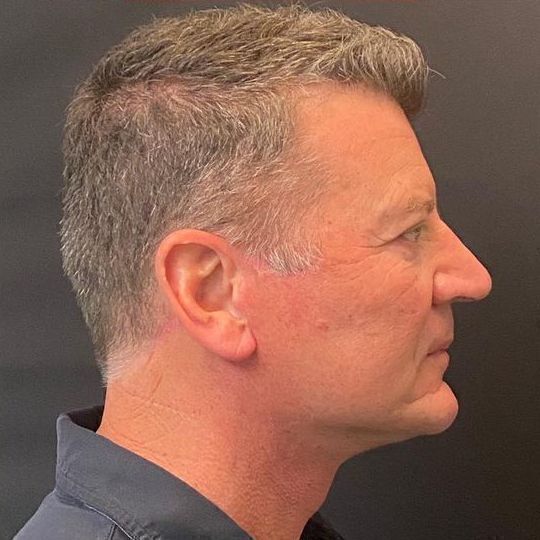
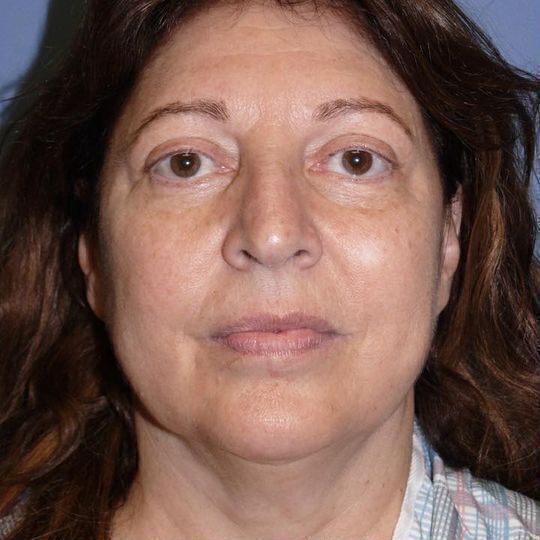
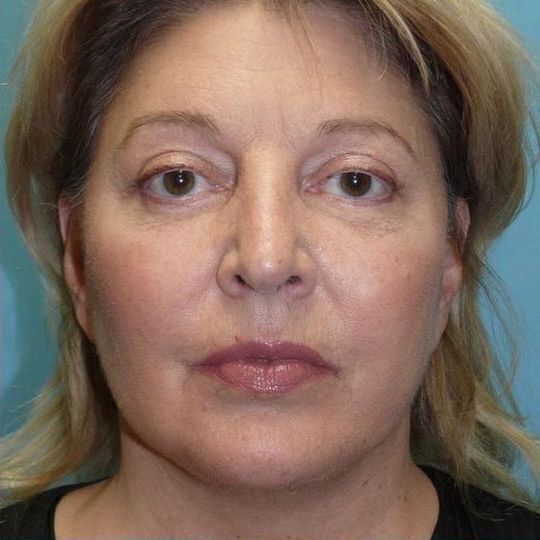
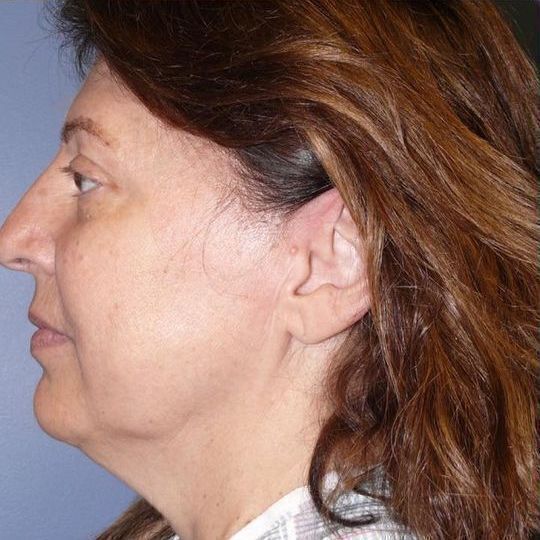
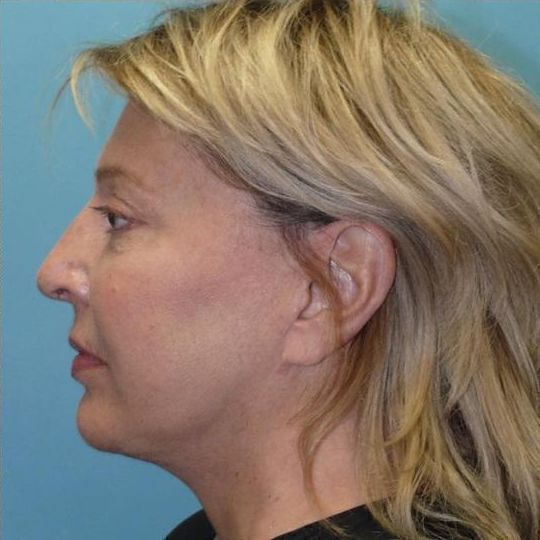
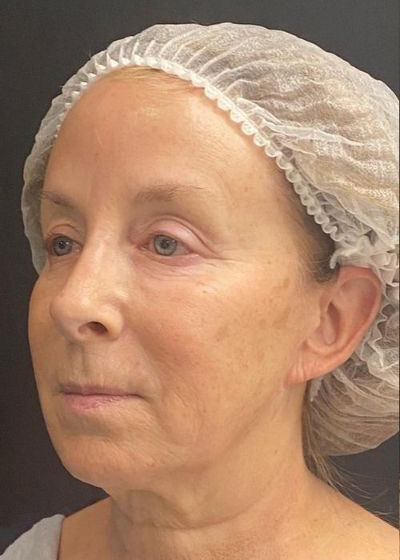
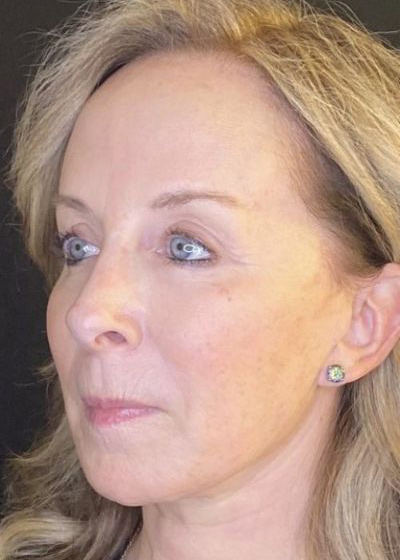
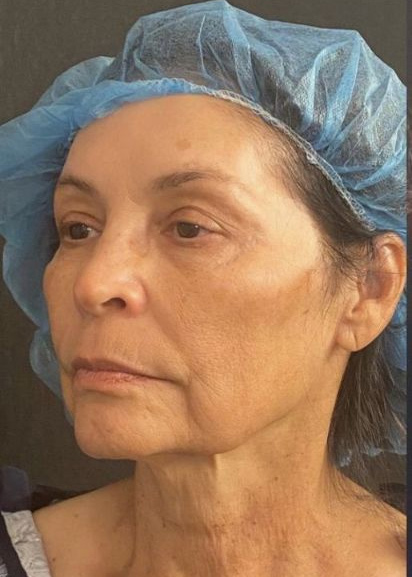
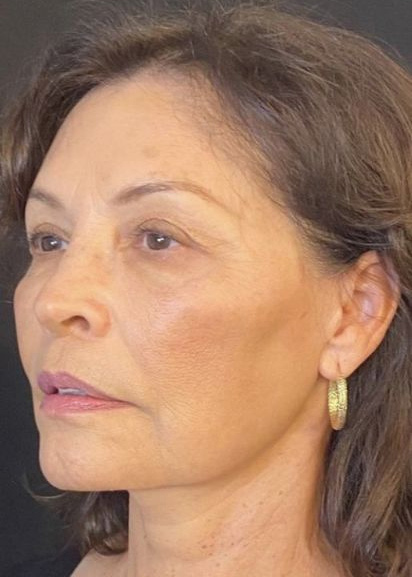
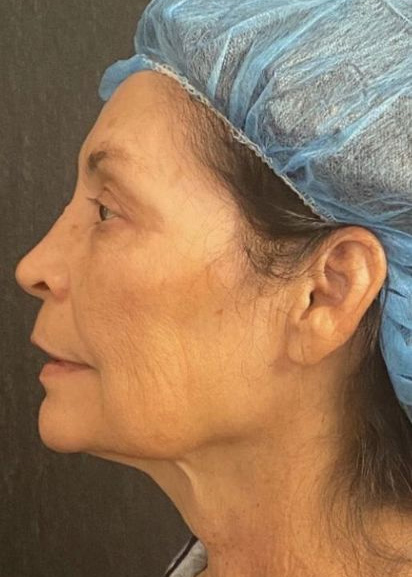
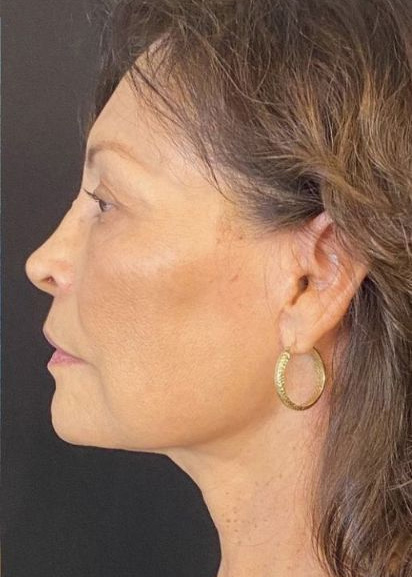
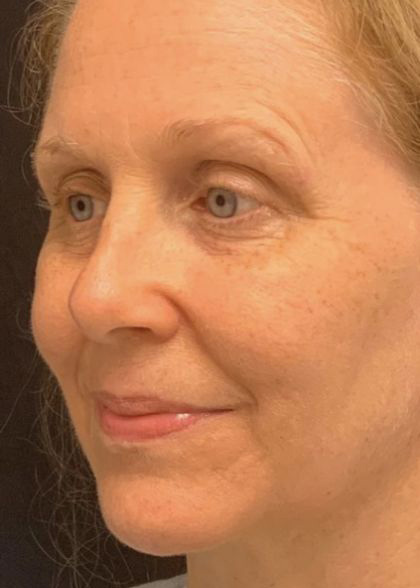
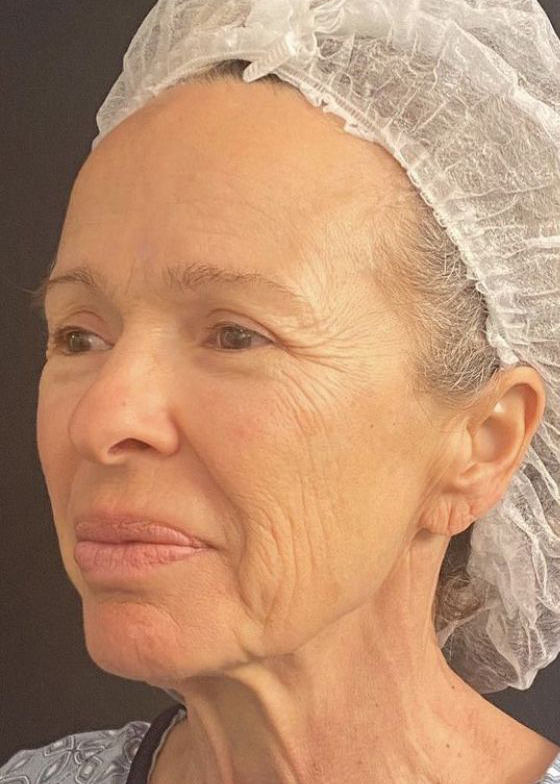
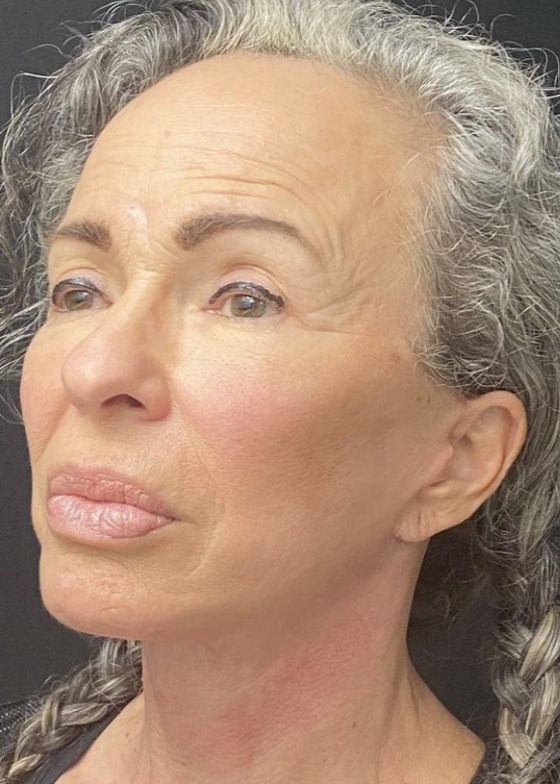
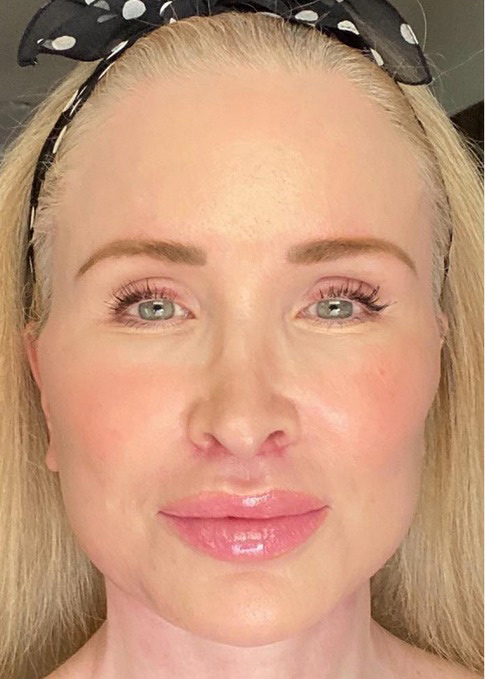
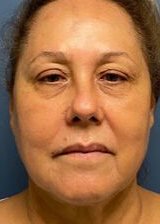
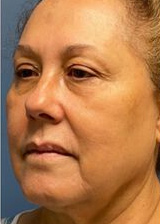
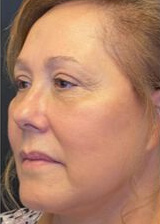
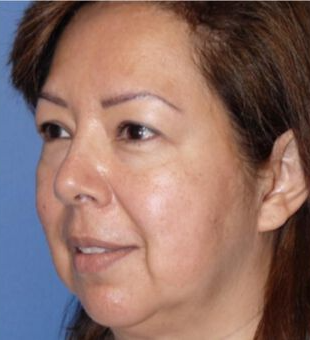
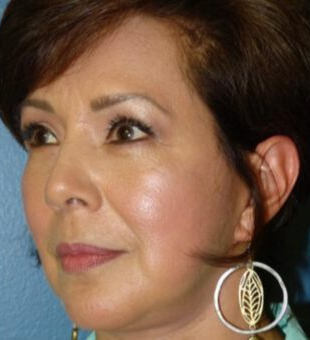
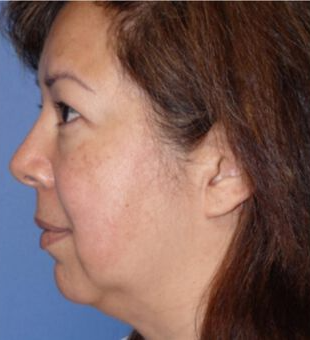
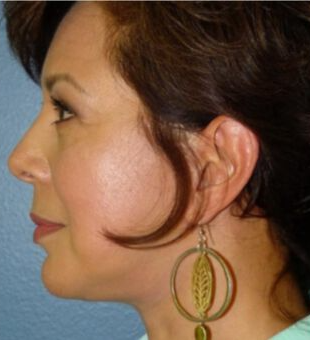
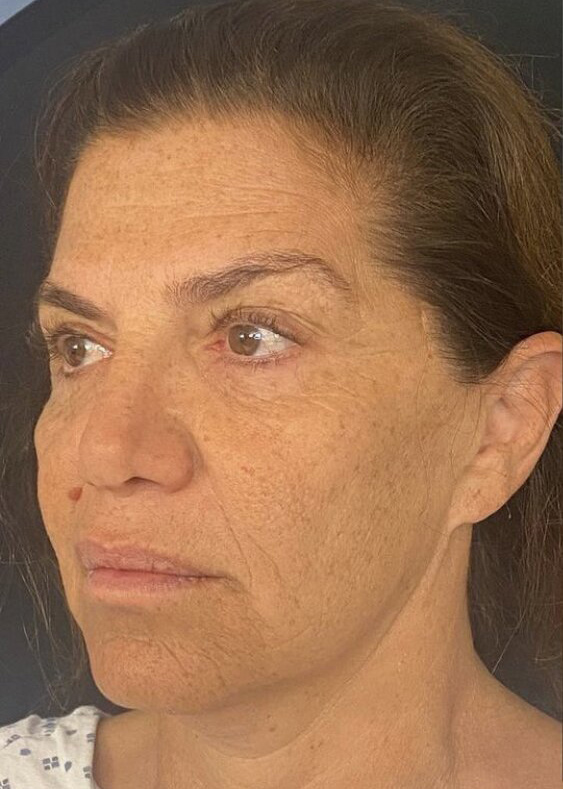
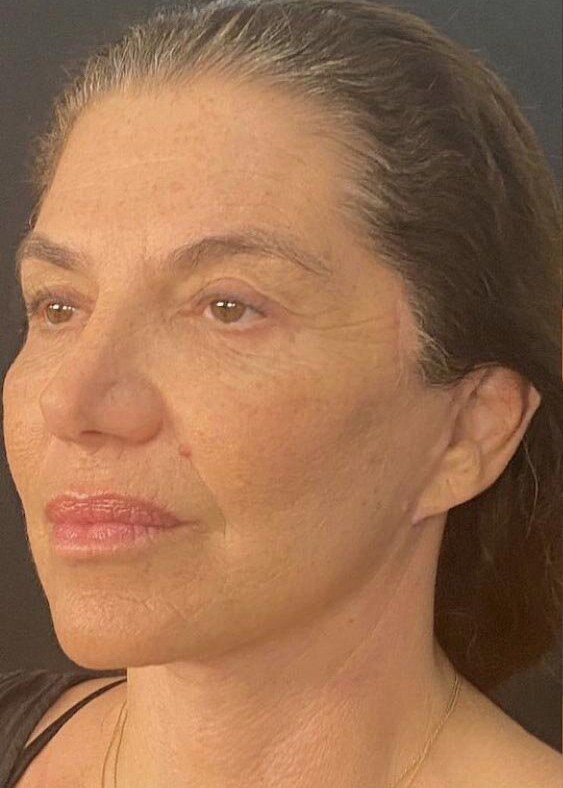
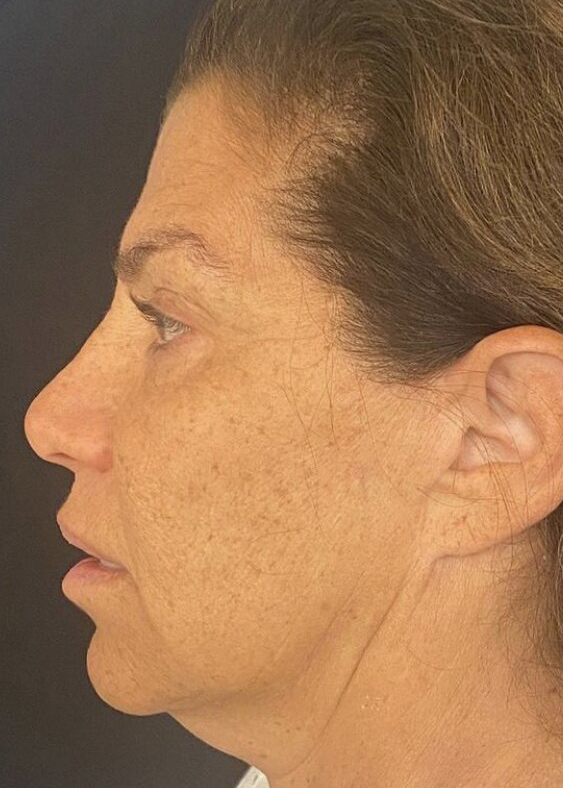
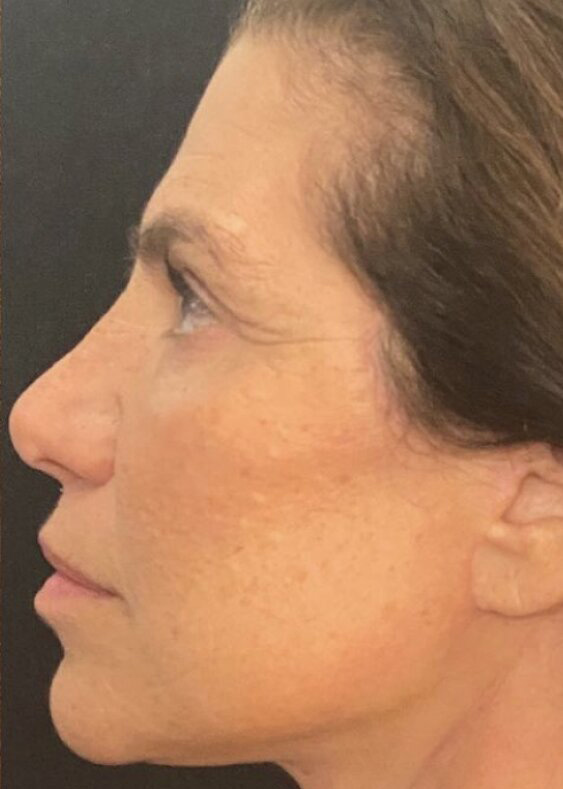
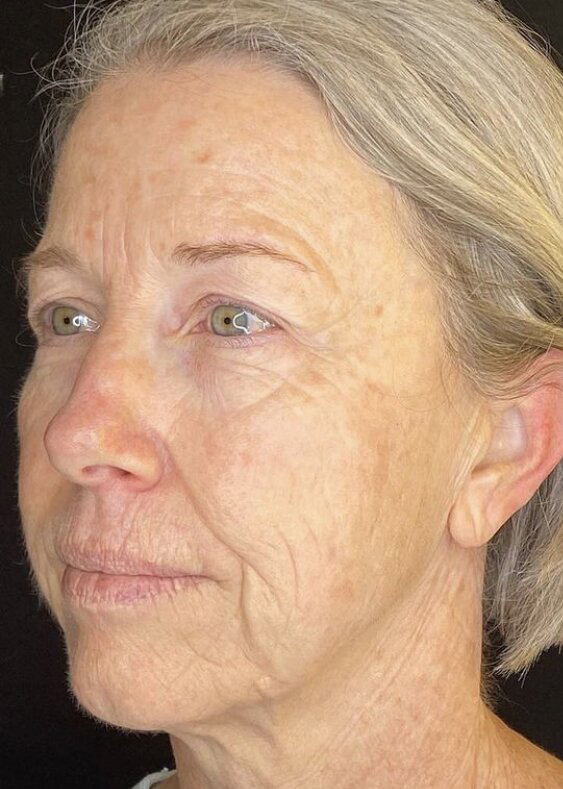
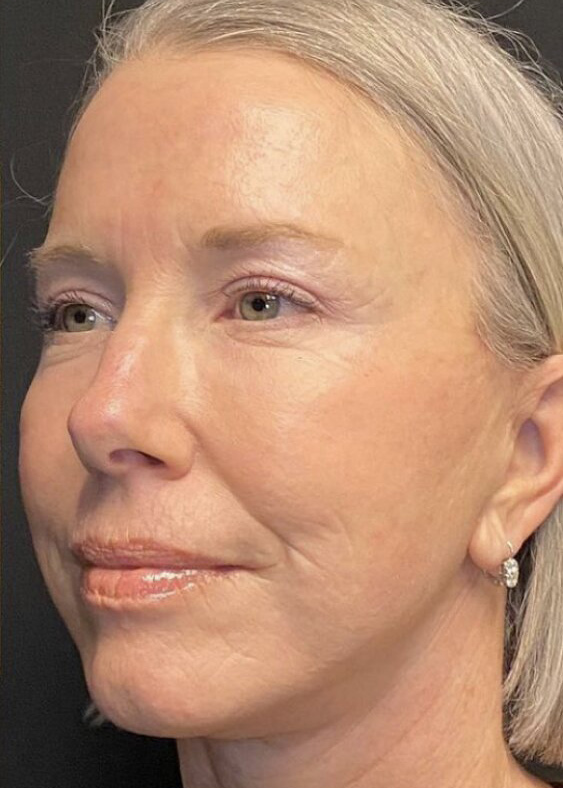
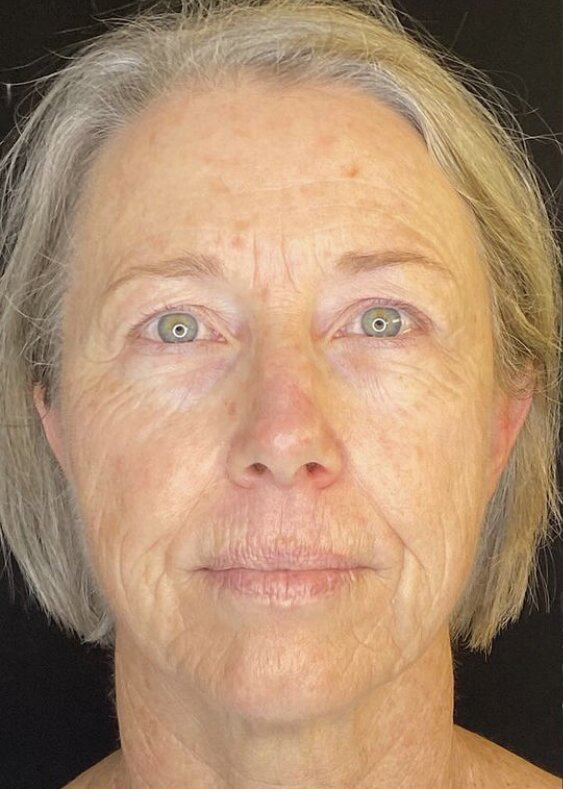
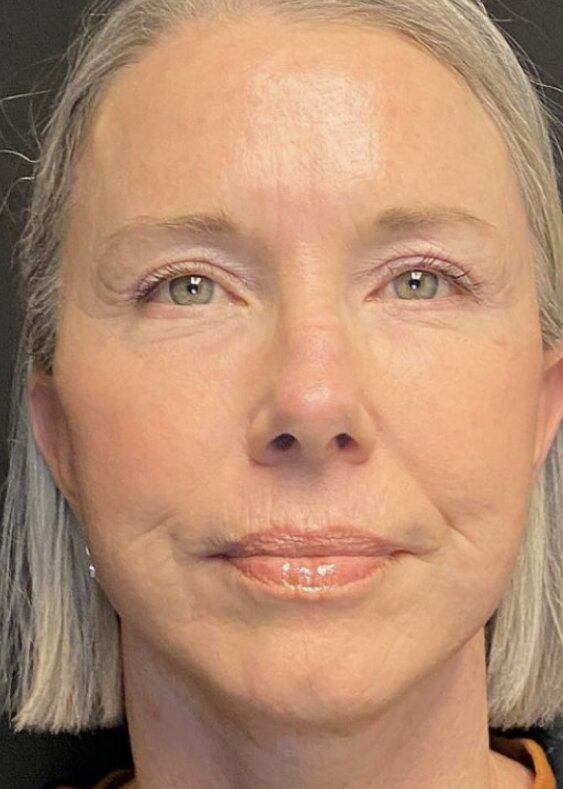
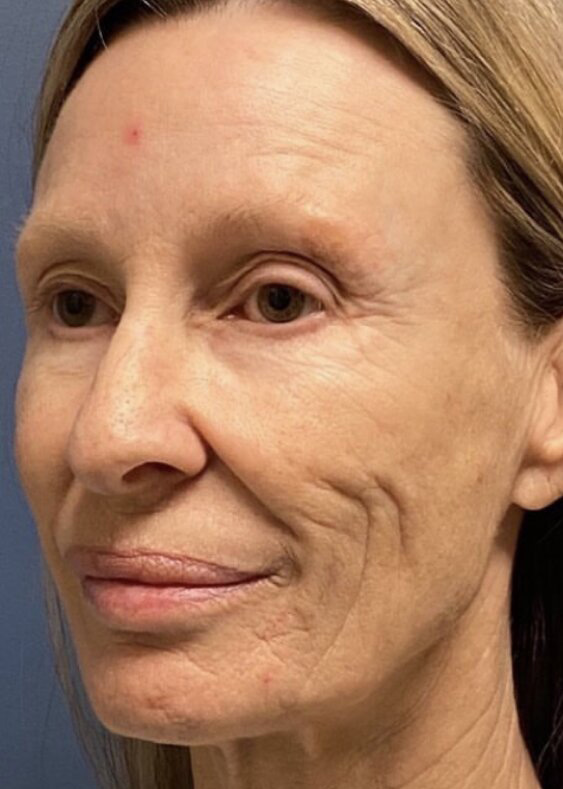
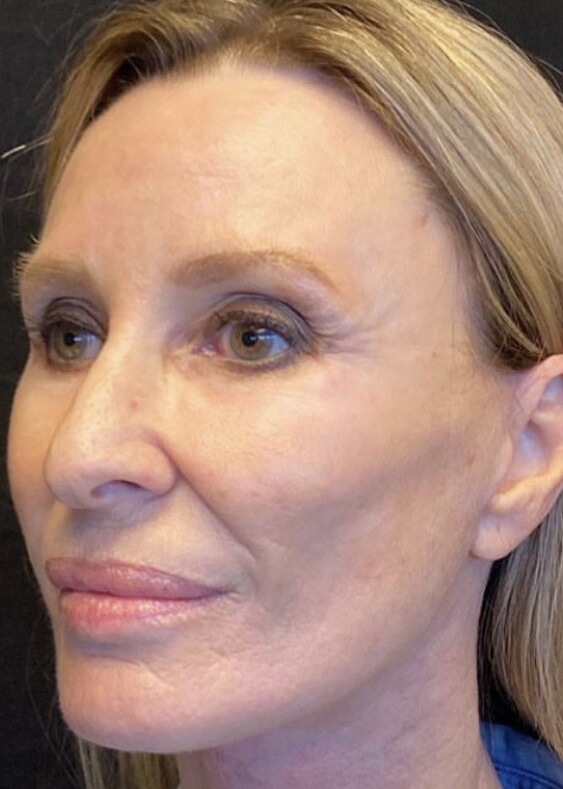
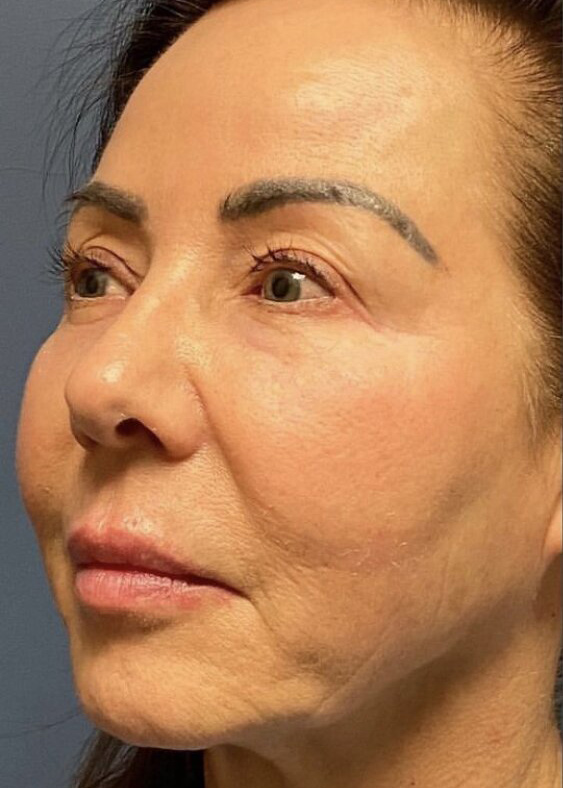
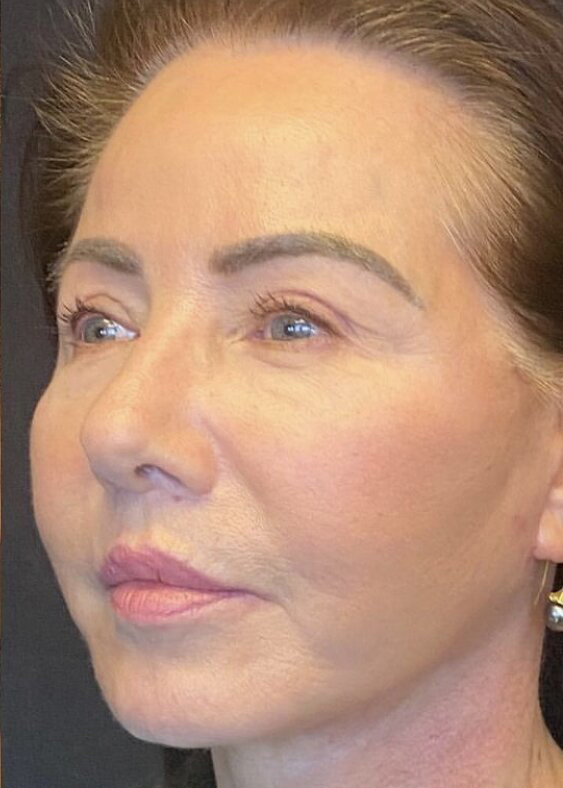
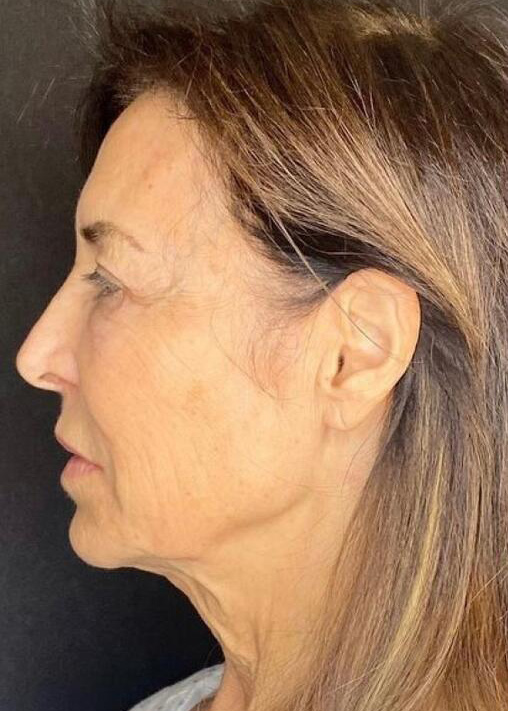
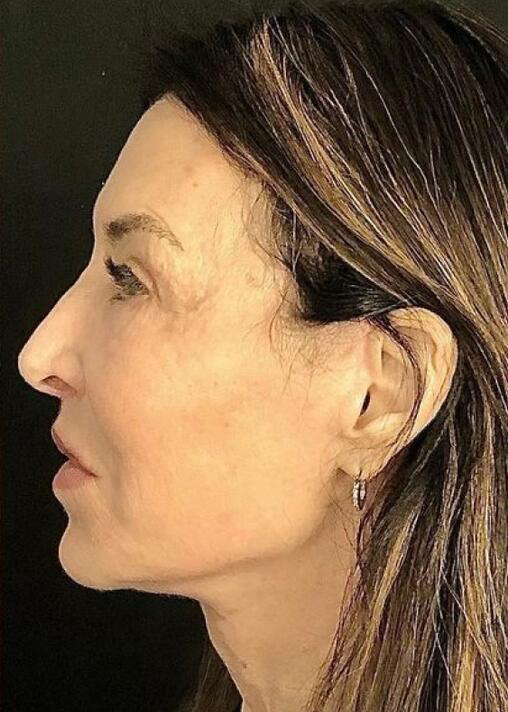
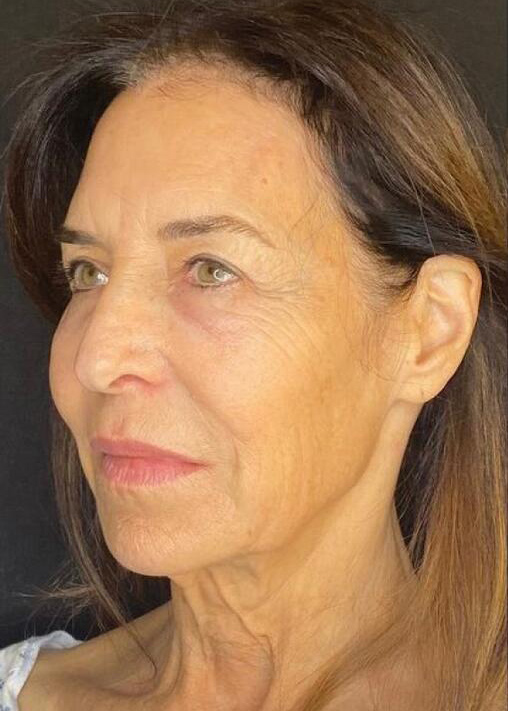
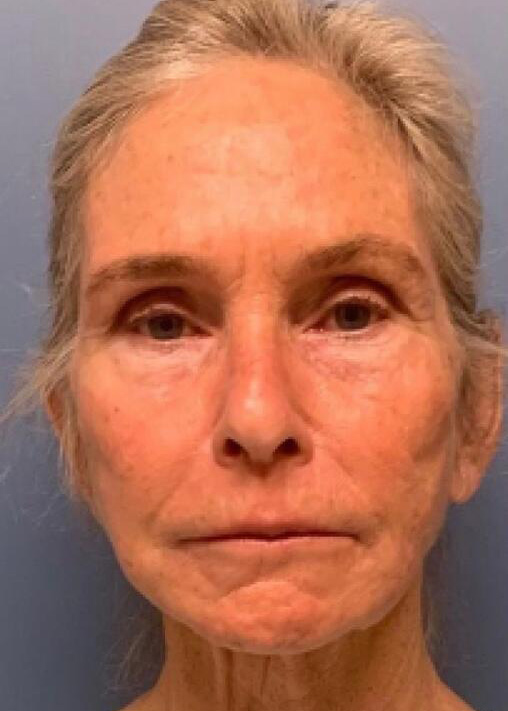
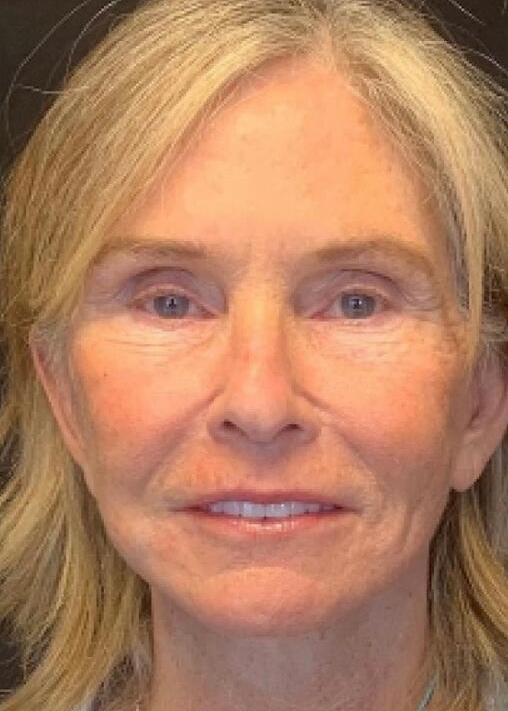
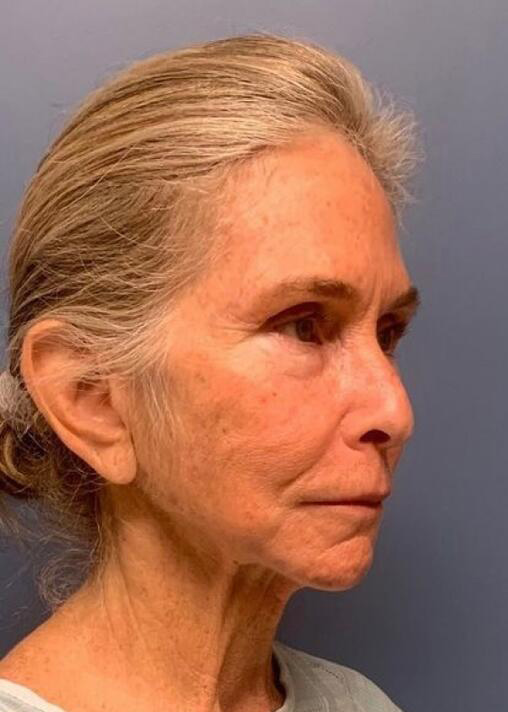
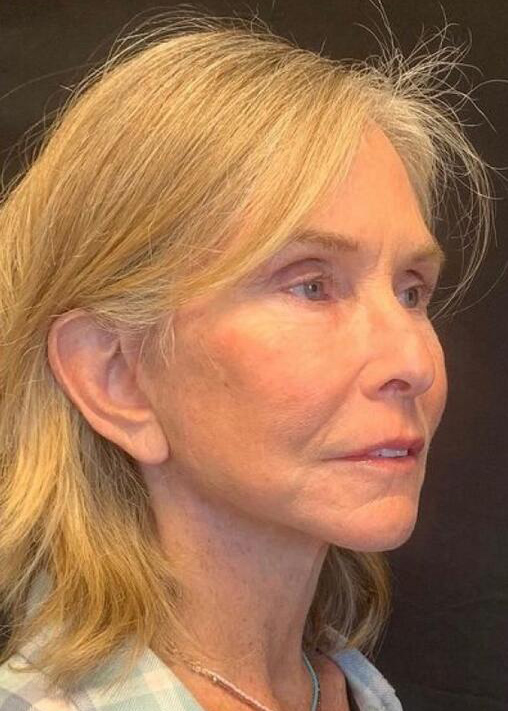
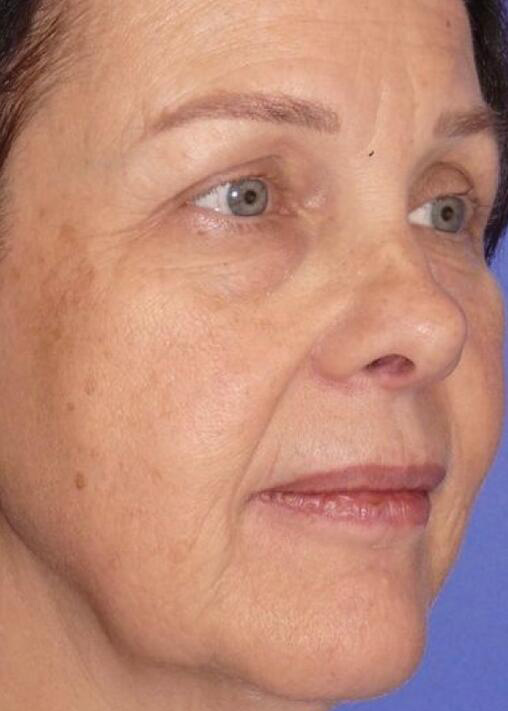
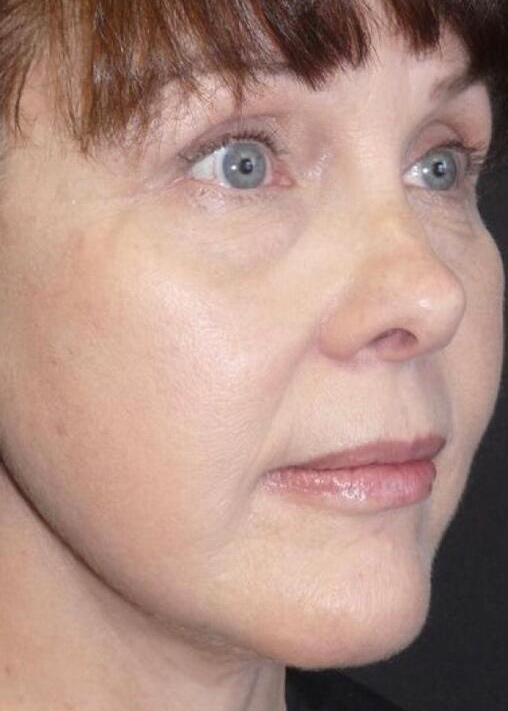
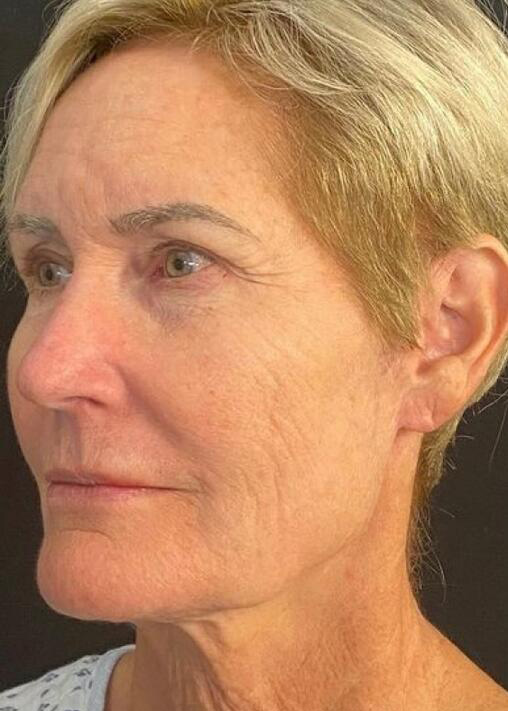
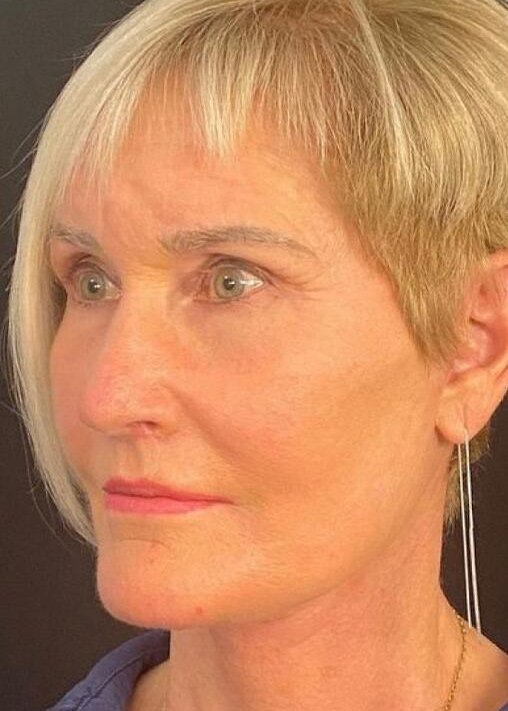
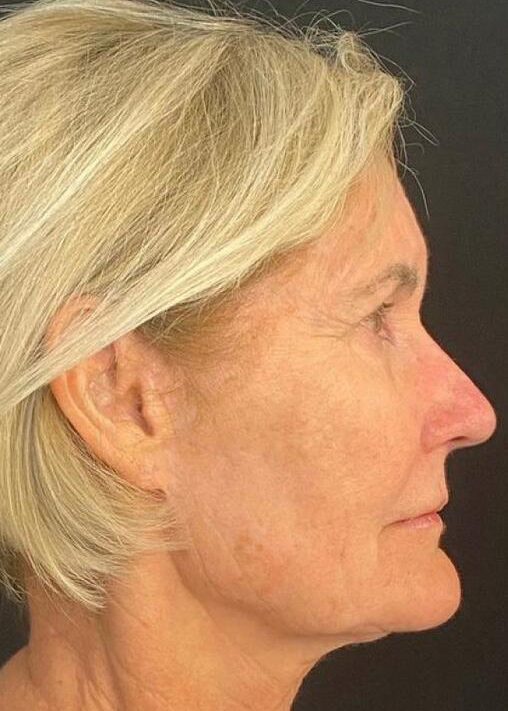
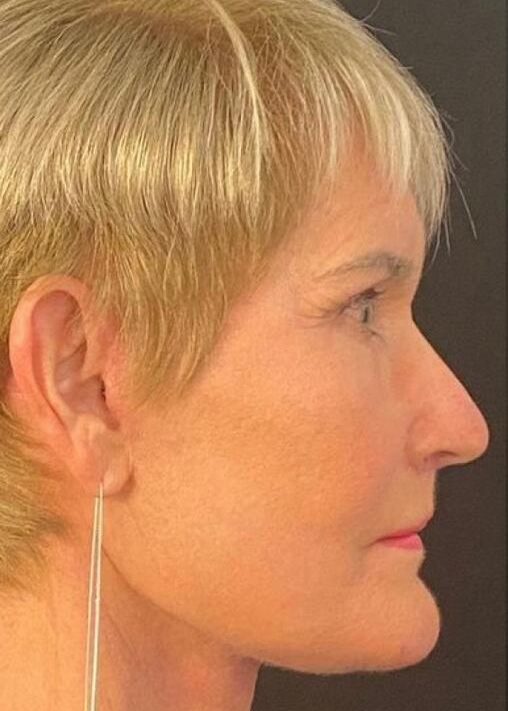
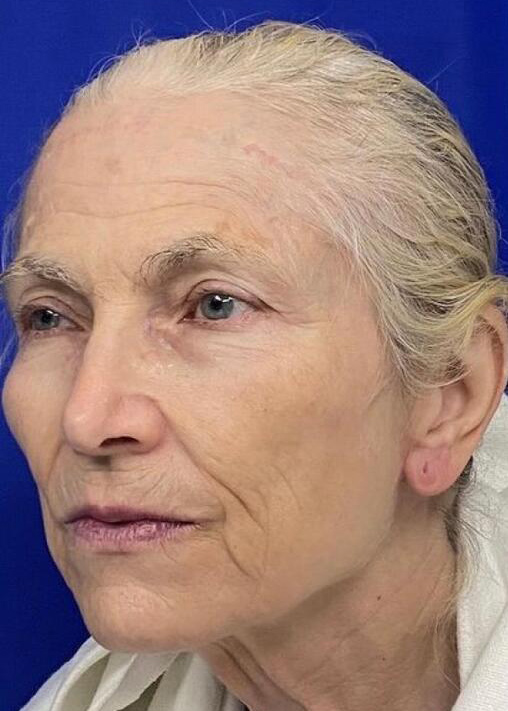
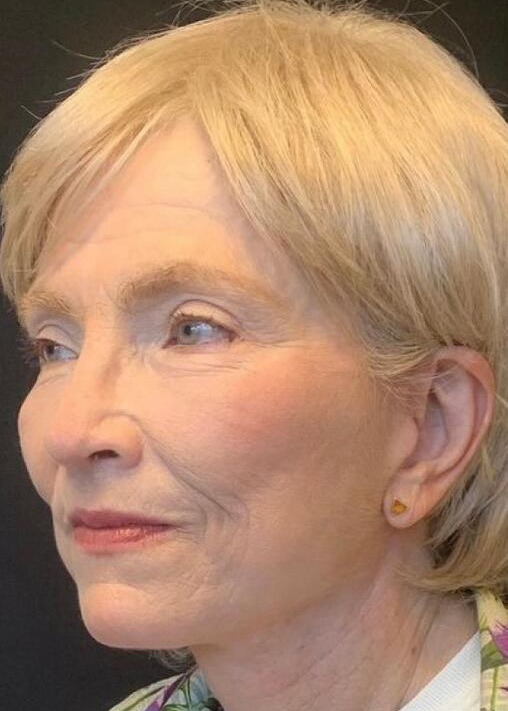
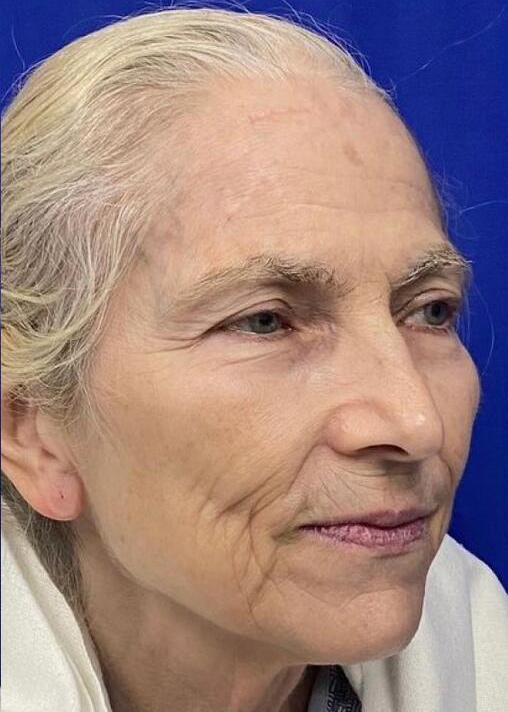
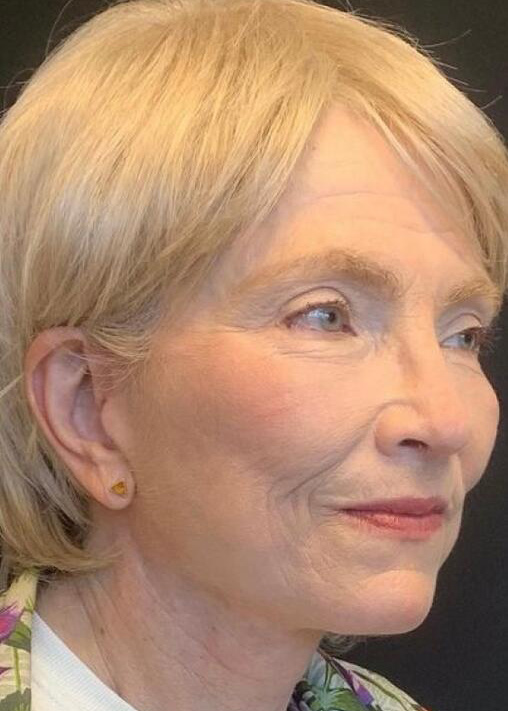
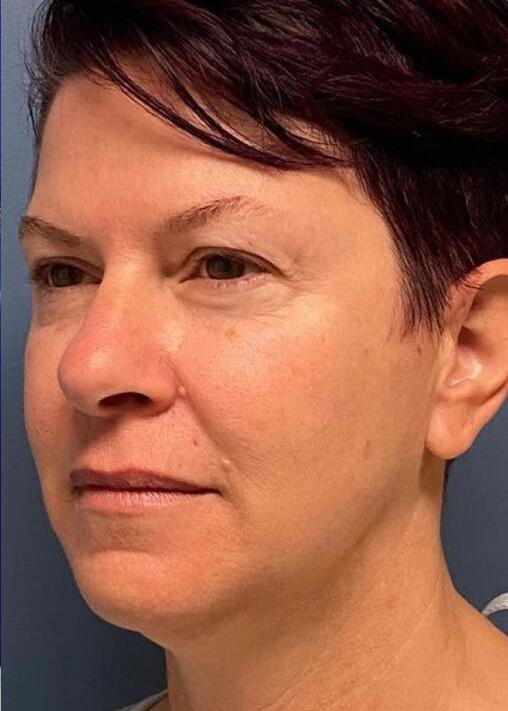
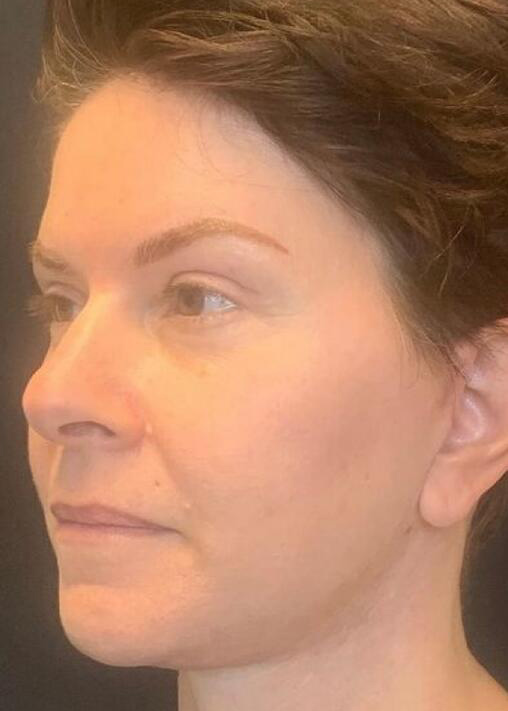
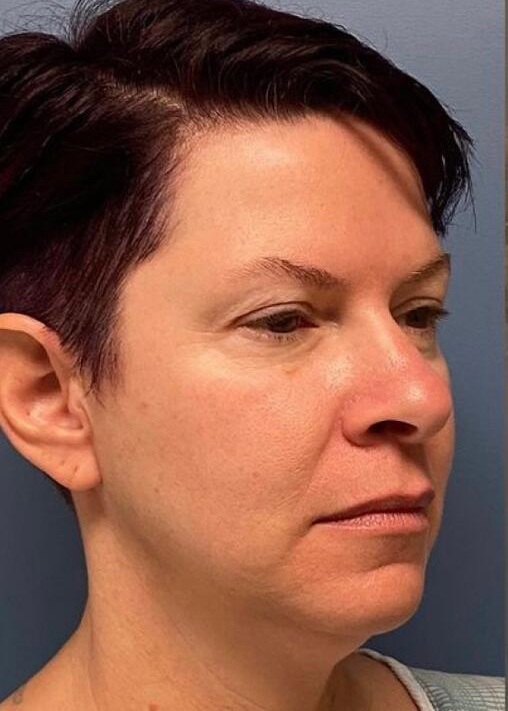
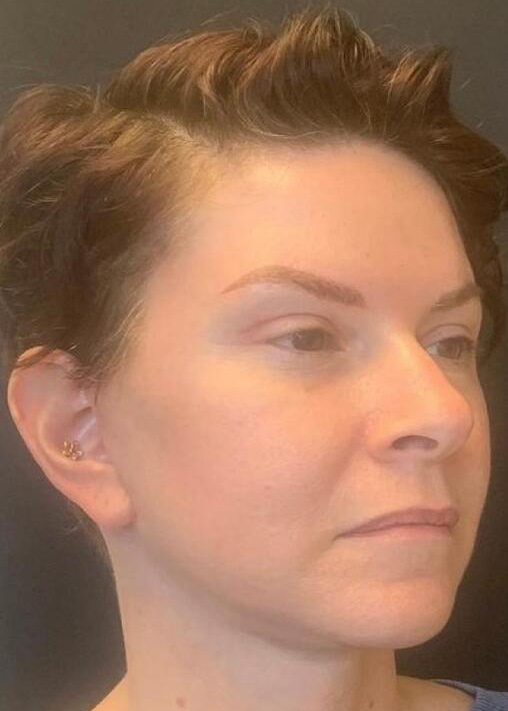
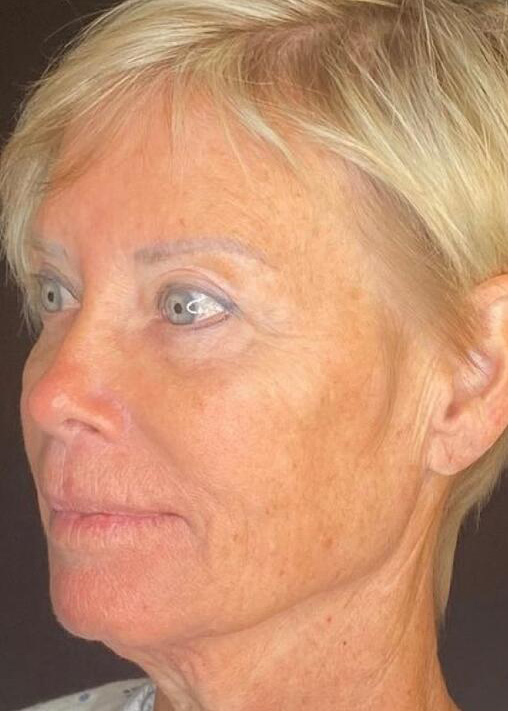
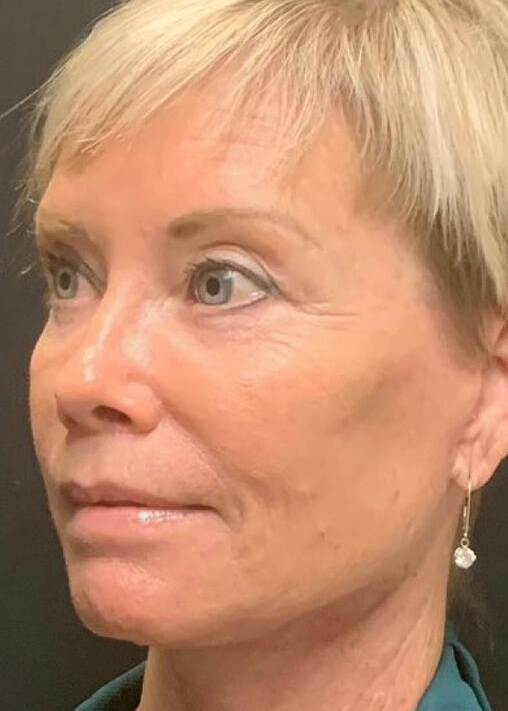
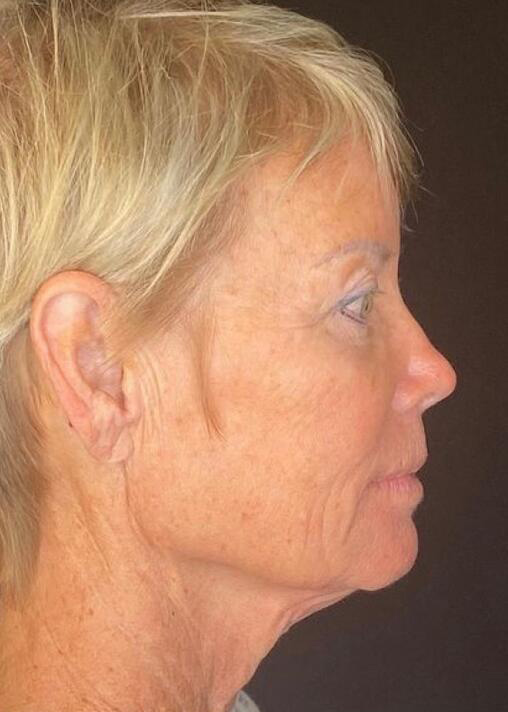
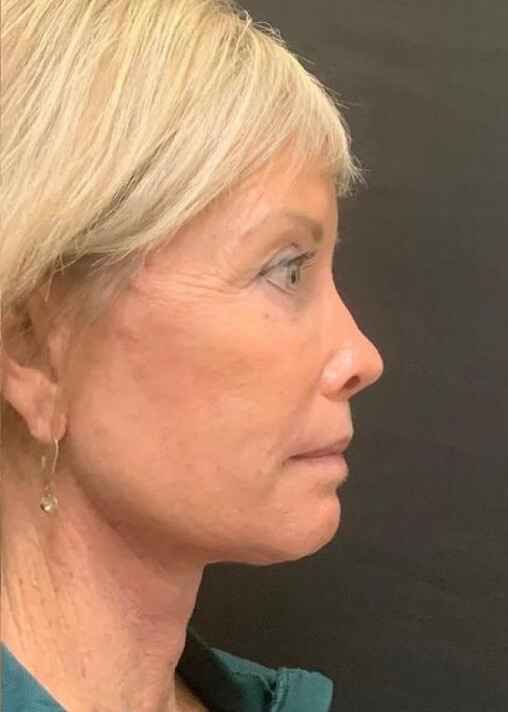
A deep plane facelift is an advanced facelift technique that repositions deeper facial tissues beneath the SMAS while preserving important connections between the skin and the underlying facial structures.
Rather than relying primarily on skin tension, a deep plane facelift is designed to lift and reposition descended facial tissues as a more unified layer. This approach can improve jowls, jawline definition, cheek descent, deeper folds around the nose and mouth, and laxity extending into the neck when included in the surgical plan.
At Plastic Surgery Institute in Beverly Hills, Dr. Ritu Chopra uses deep plane techniques to create comprehensive facial rejuvenation while preserving natural movement and avoiding an overly tightened or "windblown" appearance. The best approach depends on your anatomy, degree of facial aging, skin quality, and overall goals.
Medically reviewed by Ritu Chopra, MD, Board-Certified Plastic Surgeon.
Dr. Chopra's approach begins with a detailed evaluation of the face and neck to identify where aging has changed tissue position, jawline definition, cheek support, and neck contour. The surgical plan is then tailored to the patient's anatomy rather than applying the same lift to every face.
For appropriate candidates, our Beverly Hills deep plane facelift allows Dr. Chopra to address the deeper support structures of the face while minimizing unnecessary tension on the skin. The goal is a refreshed, natural-looking result that still looks like the patient, only more rested and better defined.
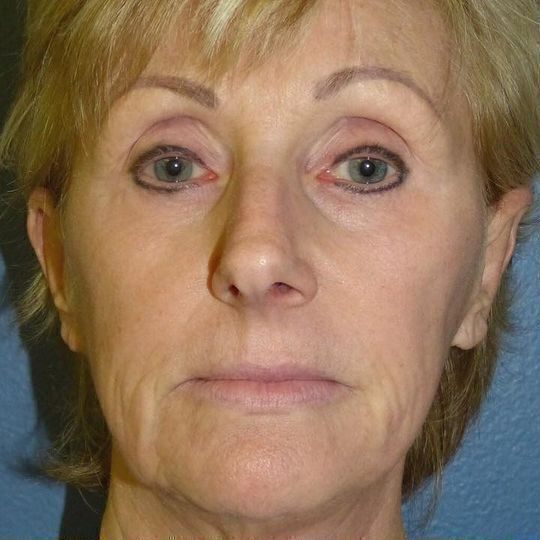
Deep plane facelift surgery is designed to address structural facial aging while preserving natural expression and facial identity.
A deep plane facelift in Beverly Hills is intended for visible facial aging caused by descent and laxity of the deeper tissues rather than surface skin concerns alone.
Deep plane facelift surgery does not directly treat every sign of facial aging. Surface pigmentation, fine textural changes, isolated eyelid concerns, and volume loss may be better addressed with complementary procedures such as blepharoplasty, brow lift, fat transfer, resurfacing, or other nonsurgical treatments.
Good candidates typically have visible laxity of the cheeks, jawline, lower face, or neck and want a more substantial surgical correction than nonsurgical treatments can provide.
Dr. Chopra also considers overall health, skin quality, previous facial procedures, nicotine use, healing history, and whether the patient's expectations are realistic. A consultation is the best way to determine whether deep plane surgery or another facelift approach is more appropriate.
There is no single ideal age. Some patients develop significant lower-face and neck laxity in their 40s or 50s, while others may not consider surgery until later. Anatomy, skin quality, facial aging patterns, and overall health are more important than age alone.
The deep plane facelift works below the SMAS layer, where the surgeon can release and reposition deeper facial tissues rather than pulling primarily on the skin. This allows the cheeks, lower face, jawline, and neck to be addressed in a coordinated way when appropriate.
Incisions are generally placed around the hairline and ears so the surgeon can access and reposition the deeper structures. The exact extent of surgery varies based on facial anatomy, neck involvement, prior procedures, and the patient's goals. Excess skin can then be redraped with less tension before the incisions are carefully closed.
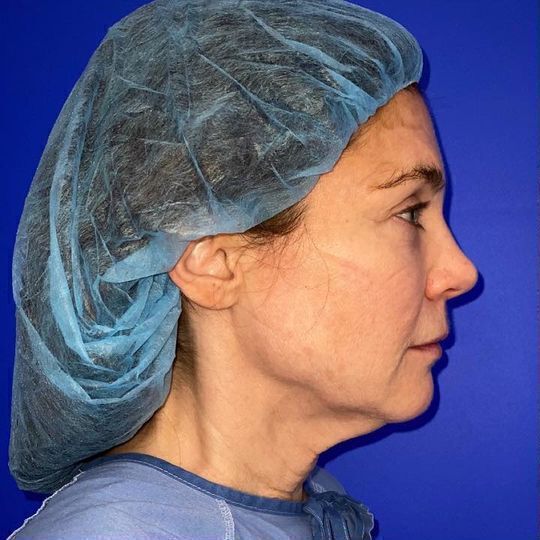
Both procedures address deeper facial support structures, but they use different surgical planes and methods of tissue repositioning. Deep plane surgery maintains the skin and SMAS together as a composite layer in key areas, while SMAS facelift techniques can involve lifting or tightening the SMAS separately. The best option depends on the patient's anatomy and the surgeon's assessment.
A mini facelift is generally a more limited procedure focused on earlier or less extensive lower-face aging. Deep plane surgery is designed for broader structural repositioning and may be more appropriate when jowls, cheek descent, jawline changes, and neck laxity are more advanced.
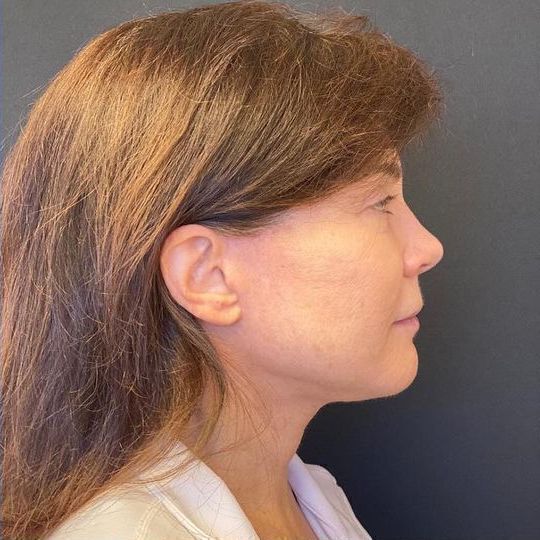
The term "traditional facelift" can refer to several different techniques, so it is more useful to compare the actual surgical method being used. During consultation, Dr. Chopra can explain which technique is best suited to your anatomy and what each approach is designed to accomplish.
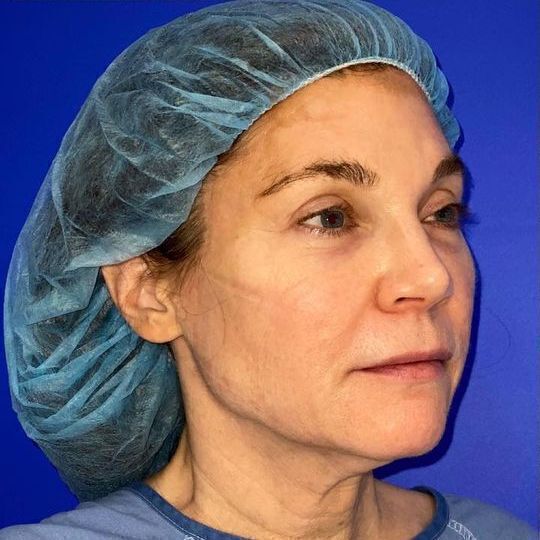
A Brief Comparison of Facelift Procedures
| Feature | Deep Plane Facelift | Mini Facelift | SMAS Facelift |
|---|---|---|---|
| Primary Focus | Deeper facial tissue repositioning | Limited lower-face rejuvenation | SMAS lifting or tightening |
| Typical Candidate | Moderate to significant facial descent | Earlier or more limited aging | Moderate facial laxity |
| Areas Commonly Addressed | Cheeks, jowls, jawline, lower face, neck when included | Primarily lower face and jawline | Lower face and jawline; varies by technique |
| Recovery | Often measured in weeks | Often shorter, depending on extent | Varies by technique and extent |
| Longevity | Long-lasting, but aging continues | Generally less durable than more comprehensive surgery | Long-lasting, depending on technique and anatomy |
With a deep plane facelift Beverly Hills patients should know that incisions are typically placed around natural contours of the hairline and ear so they can become less noticeable as healing progresses. The exact pattern varies based on the amount of correction needed and whether the neck is treated at the same time.
Scars mature gradually over time. Dr. Chopra can explain the planned incision pattern before surgery and provide postoperative instructions designed to support proper healing.
A deep plane facelift can be combined with neck rejuvenation when the patient's aging pattern includes neck laxity, banding, or loss of jawline definition. The exact surgical plan depends on whether facial and neck aging need to be treated together.
Patients with more significant neck concerns may also benefit from a dedicated deep plane neck lift or other neck-focused techniques. Dr. Chopra will determine the appropriate combination during consultation.
Natural-looking results depend on surgical planning, tissue repositioning, incision placement, and avoiding excessive skin tension. The objective is not to change the patient's identity or create a tightly pulled appearance, but to restore more youthful facial contours while preserving expression and balance.
Dr. Chopra's approach is centered on structural repositioning rather than simply tightening the skin, which can help create a result that looks refreshed rather than surgically altered.
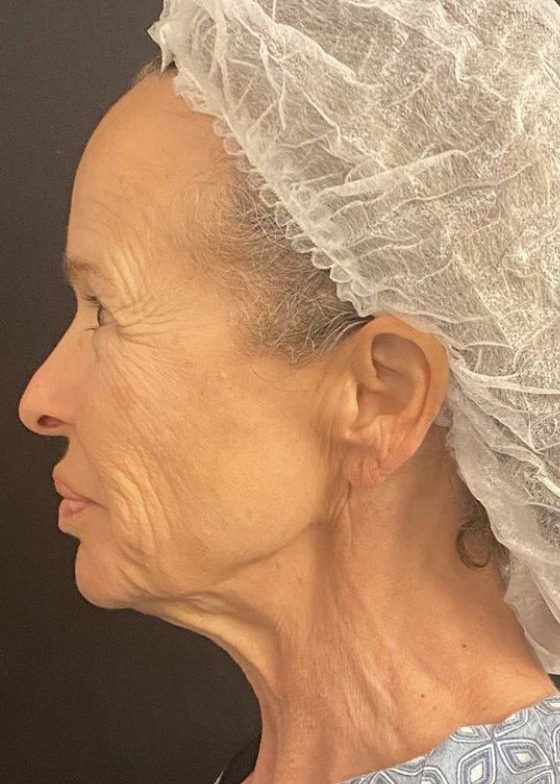
Plastic Surgery Institute is also home to Dr. Chopra's signature DEFINE Lift, a comprehensive approach that builds on deep plane principles and can incorporate treatment of the face, neck, and brow based on the patient's needs.
Because DEFINE has its own dedicated treatment plan and page, this section is intentionally brief. Learn more about the DEFINE Lift, including what it can include and how it differs from a standard deep plane facelift.
Deep plane facelift results are long-lasting, but no facelift stops the natural aging process. Patients often continue to look younger than they would have without surgery even as the face gradually changes over time.
Longevity varies based on the surgical plan, skin quality, genetics, sun exposure, lifestyle, weight changes, and other factors. Dr. Chopra can give you a more individualized expectation based on your anatomy and treatment plan.
Expect swelling, bruising, tightness, and the need for rest. Keep your head elevated and follow all postoperative instructions closely.
Early healing continues, and follow-up visits are used to monitor progress and address postoperative care needs.
Many patients feel more comfortable returning to work and social activities as bruising and swelling continue to improve.
Activity is gradually increased as cleared by the surgical team, while residual swelling continues to decrease.
Facial contours continue to refine as swelling resolves and the tissues settle into their longer-term position.
As with any surgery, deep plane facelift procedures carry risks. These can include bleeding, infection, delayed healing, unfavorable scarring, fluid accumulation, changes in sensation, asymmetry, nerve-related complications, and anesthesia-related risks.
The specific risk profile depends on your health, anatomy, surgical plan, and healing history. Dr. Chopra will review the relevant risks, benefits, and alternatives with you before surgery so you can make an informed decision.
Deep plane facelift pricing varies because each surgical plan is customized. Cost can be influenced by the complexity of the procedure, whether the neck is treated, anesthesia, facility fees, previous facial surgery, and whether complementary procedures are performed at the same time.
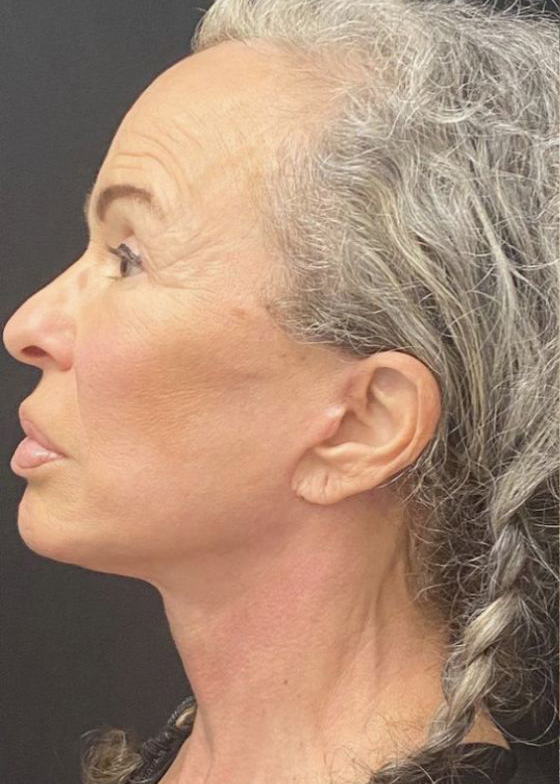
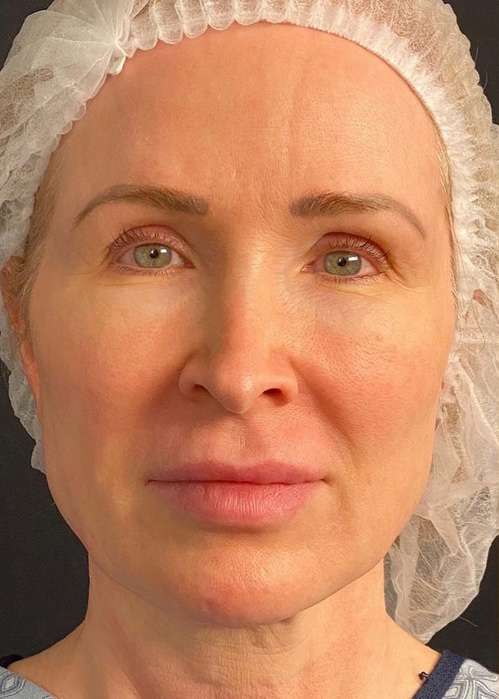
After evaluating your anatomy and goals, the Plastic Surgery Institute team can provide a personalized treatment plan and detailed quote.
Dr. Ritu Chopra focuses extensively on advanced facial rejuvenation and deep plane techniques. His approach emphasizes individualized surgical planning, natural facial movement, balanced rejuvenation of the face and neck, and results that preserve the patient's identity rather than creating an overly operated appearance.
He also developed the DEFINE Lift, his signature facial rejuvenation approach, and teaches advanced facelift techniques to other surgeons. Patients considering deep plane surgery can review his background, treatment philosophy, and surgical experience on Dr. Chopra's physician profile.
Results with a deep plane facelift in Beverly Hills are long-lasting, but aging continues after surgery. Longevity varies based on anatomy, skin quality, genetics, lifestyle, sun exposure, and the surgical plan used.
Pricing is individualized because surgical complexity, neck treatment, anesthesia, facility fees, prior procedures, and combined treatments can all affect the total cost. A personalized quote is provided after consultation.
There is no single ideal age. The amount of facial descent, skin quality, neck laxity, overall health, and goals are more important than age alone.
Neither technique is universally best for every patient. They use different surgical approaches, and the right choice depends on anatomy, aging pattern, previous surgery, and the surgeon's assessment.
It can. Many patients benefit from coordinated face and neck rejuvenation, but the exact neck treatment depends on the degree and type of neck aging present.
Incisions are typically positioned around the hairline and natural contours of the ear. The pattern varies based on the surgical plan and whether a neck lift is performed as well.
Many patients plan for approximately two to three weeks away from work and major social activities, although swelling can continue to improve for several weeks or months. Recovery varies by patient and surgical extent.
Many patients feel comfortable returning to work within two to three weeks, depending on healing, job demands, and how comfortable they are with residual swelling or bruising.
Patients can expect tightness, swelling, bruising, and discomfort during early recovery. Pain levels vary, and Dr. Chopra will provide a postoperative pain-management plan tailored to the procedure.
The goal is to reposition deeper tissues while minimizing excessive skin tension so the face looks refreshed rather than pulled. Natural-looking results also depend on anatomy, surgical planning, and technique.
A mini facelift is generally more limited and is often used for earlier or less extensive lower-face aging. A deep plane facelift addresses deeper structures and can provide more comprehensive correction when aging is more advanced.
Previous facial surgery does not automatically rule out a deep plane facelift, but revision surgery can be more complex. Dr. Chopra will evaluate scar tissue, anatomy, previous techniques, and current goals before recommending an approach.
During your consultation, Dr. Chopra will evaluate your face and neck, skin quality, degree of tissue descent, jawline, previous procedures, medical history, and aesthetic goals. He will explain whether deep plane surgery is appropriate and whether complementary procedures may improve the overall result.
You will also have the opportunity to discuss recovery, scars, risks, expected results, pricing, and any questions you have before deciding whether to proceed.
Contact Plastic Surgery Institute to schedule a consultation with Dr. Ritu Chopra and learn whether a deep plane facelift is the right option for your facial rejuvenation goals.
No matter what brought you here, a visit with our doctors will bring out the best in you. Call us today to schedule your initial consultation, either in person or online.
465 North Roxbury Drive, Suite 1007, Beverly Hills, CA 90210