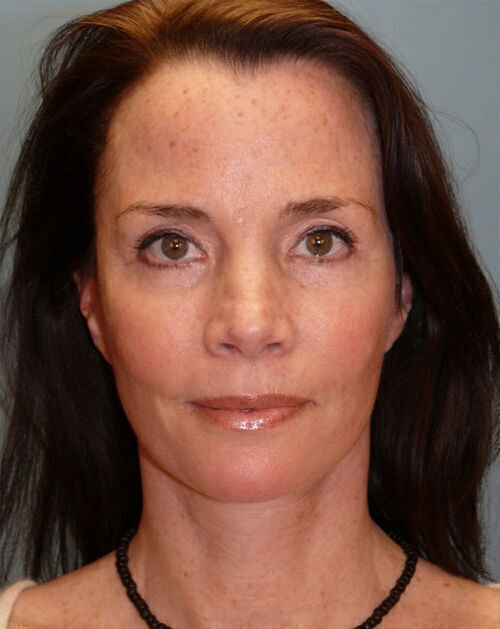
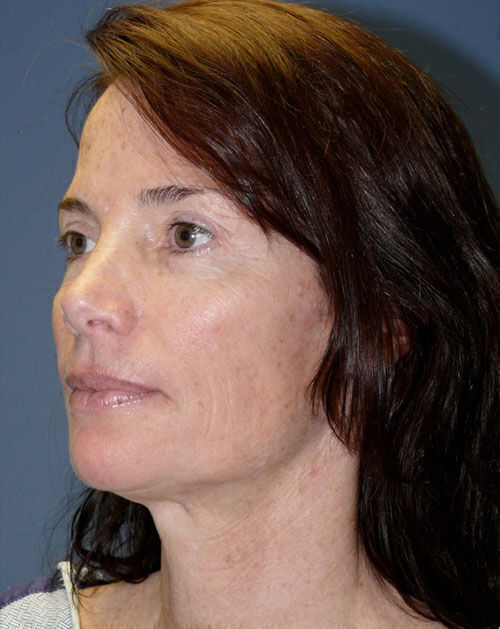
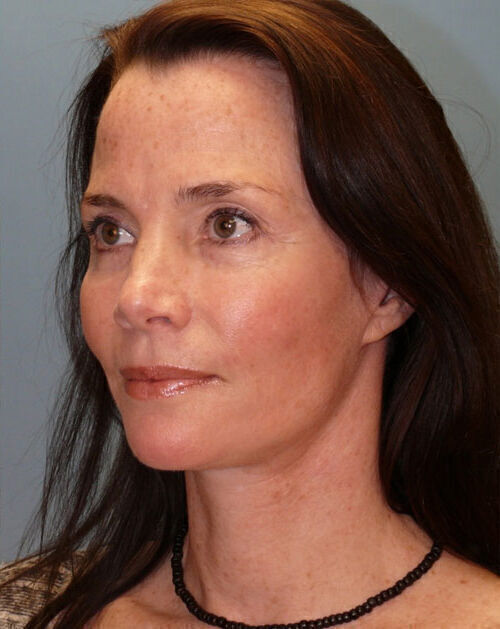
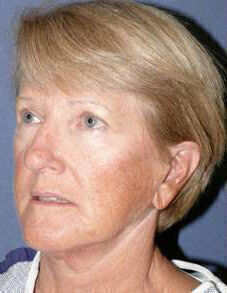
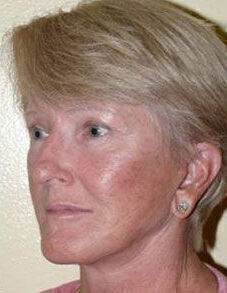
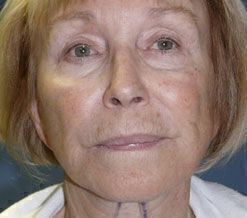
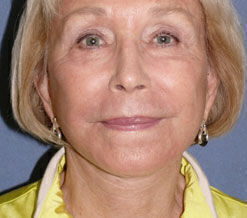
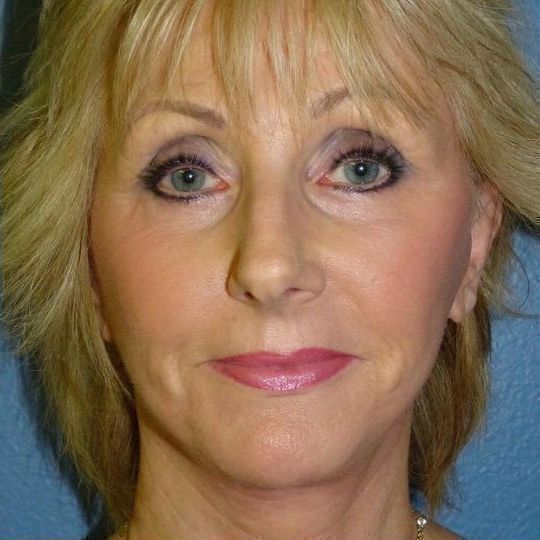
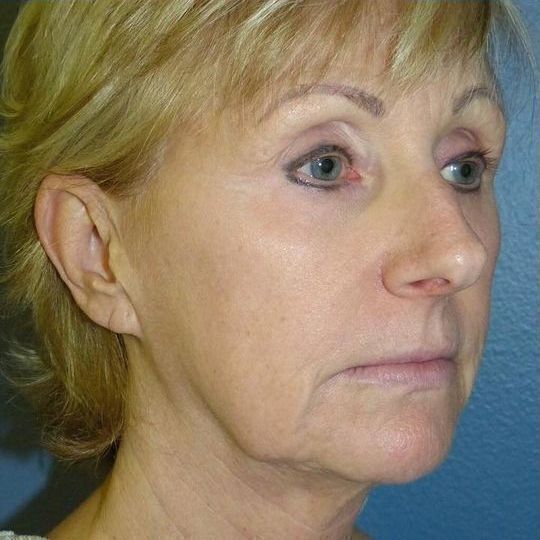
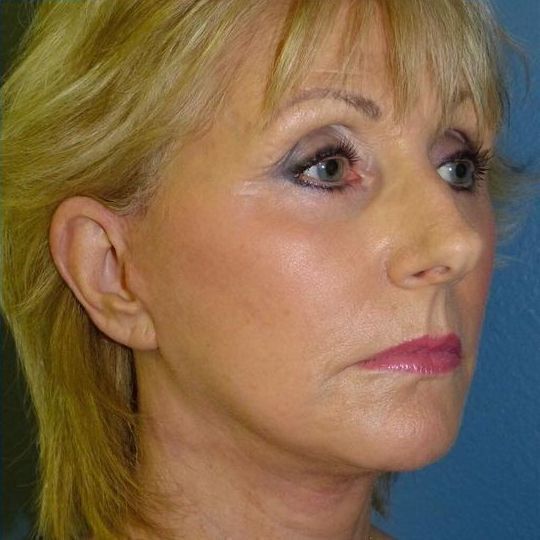
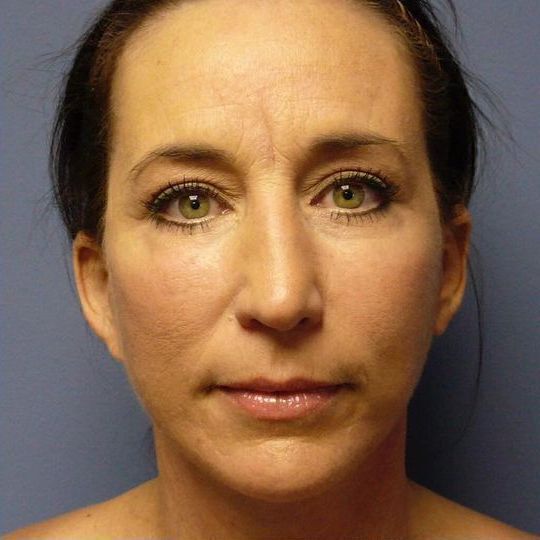
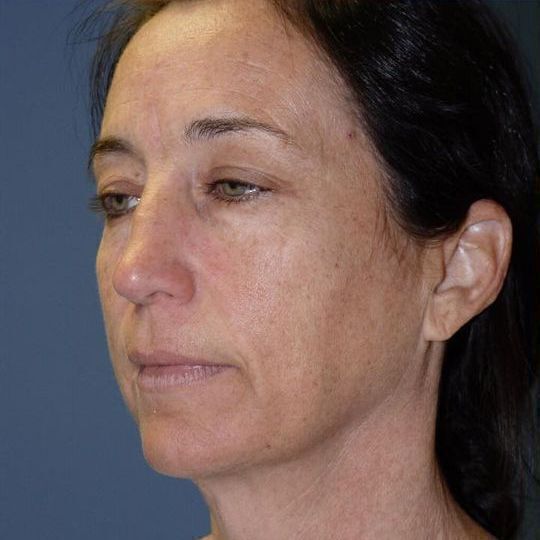
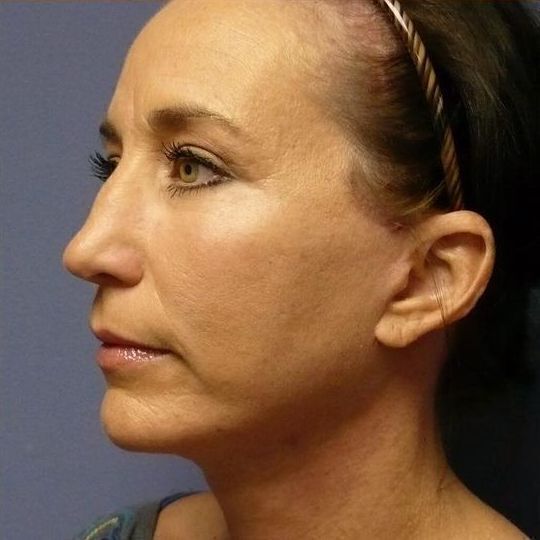
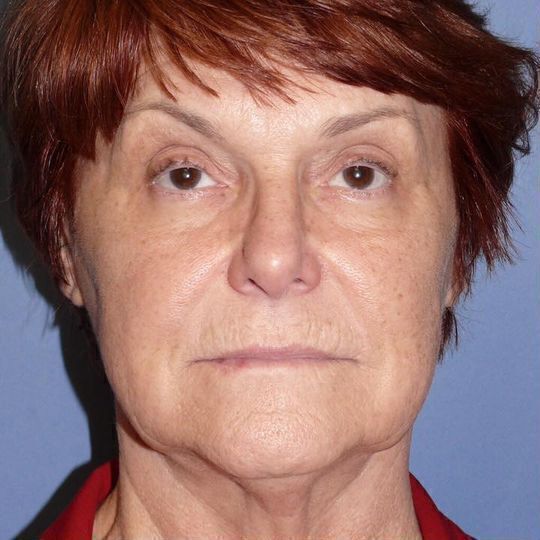
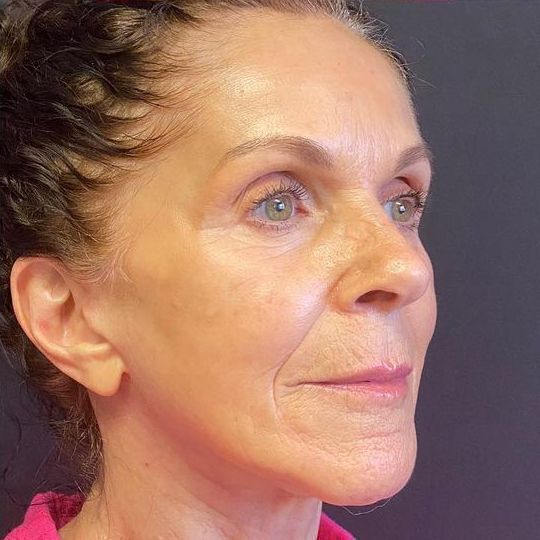
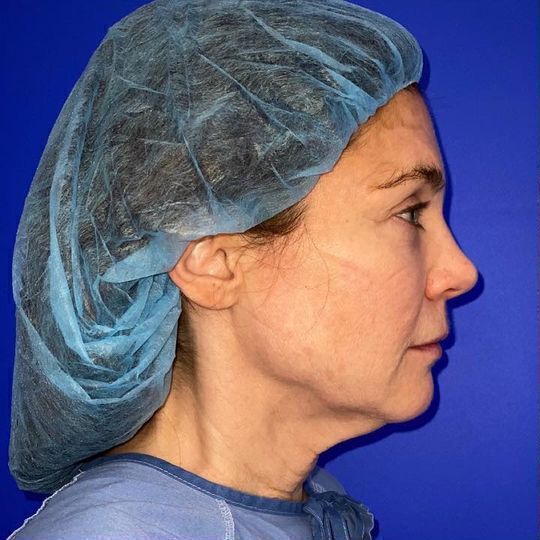
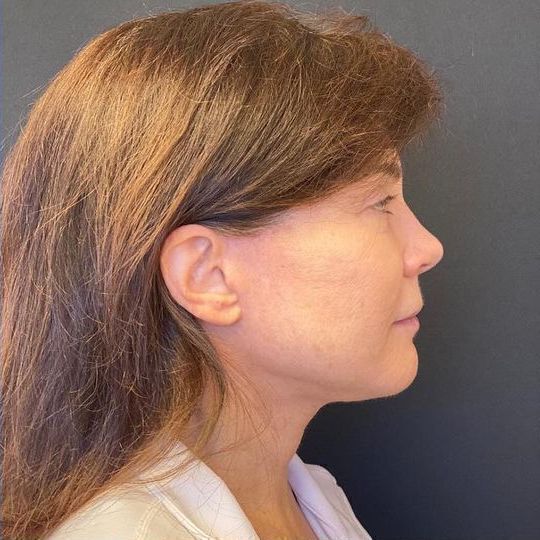
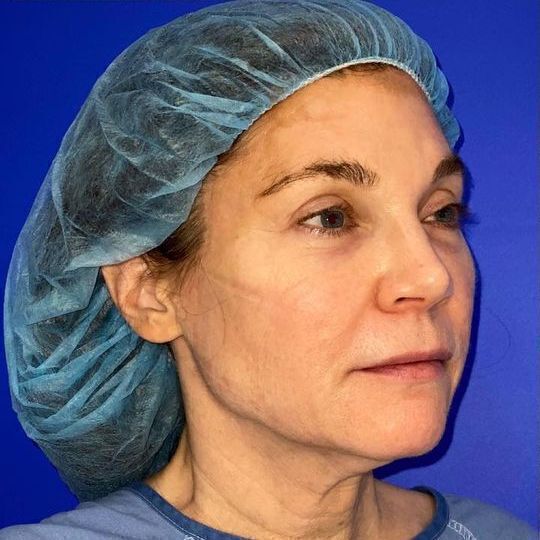
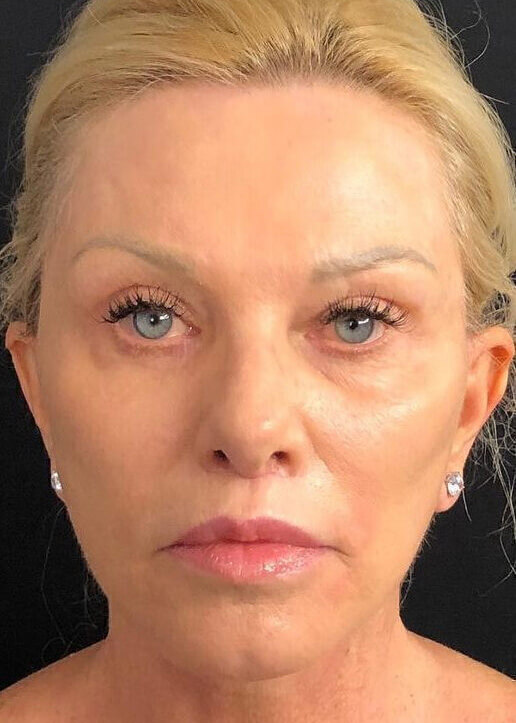
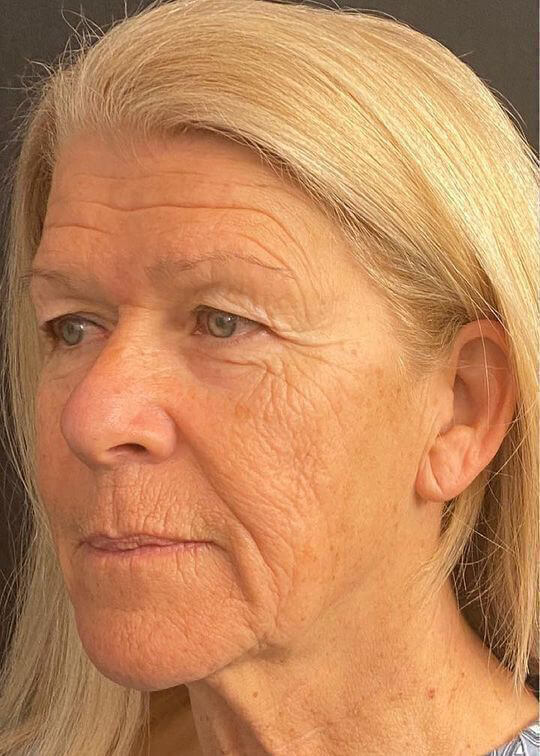
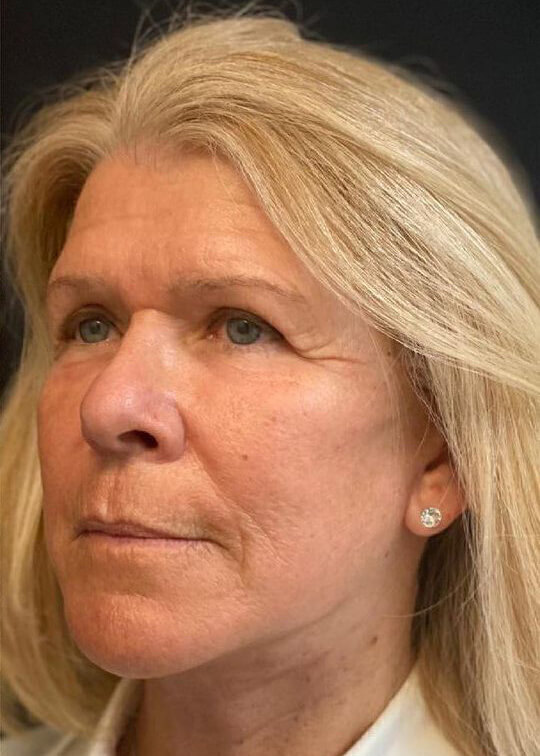
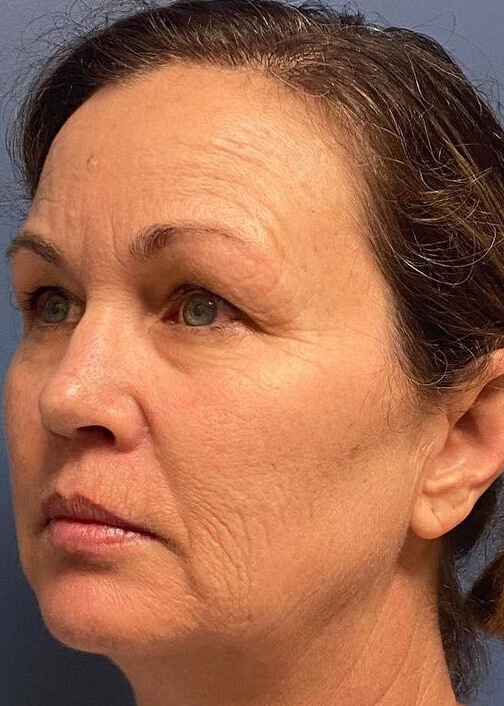
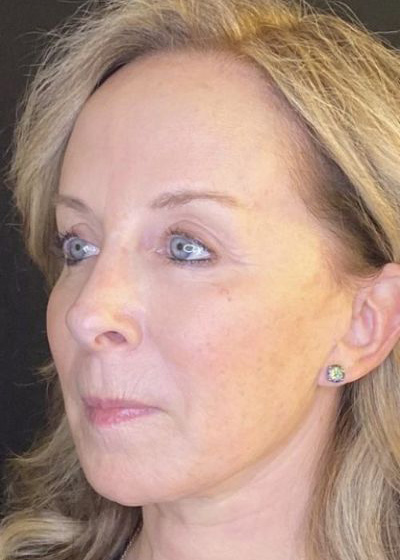
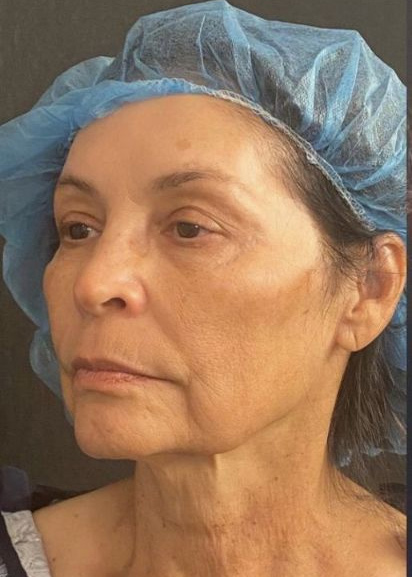
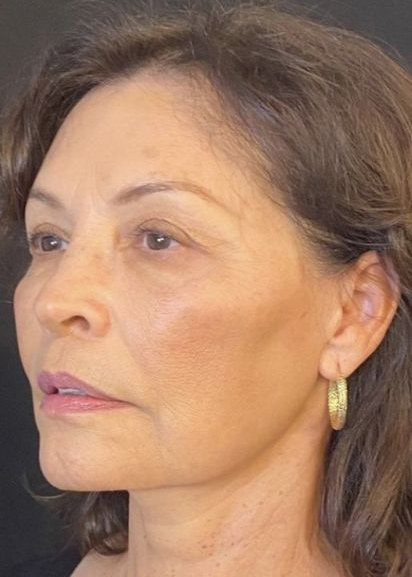
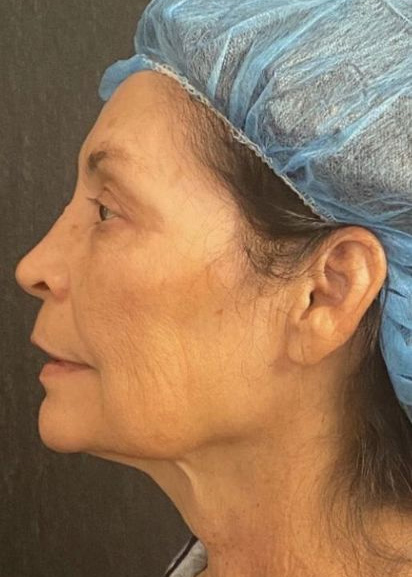
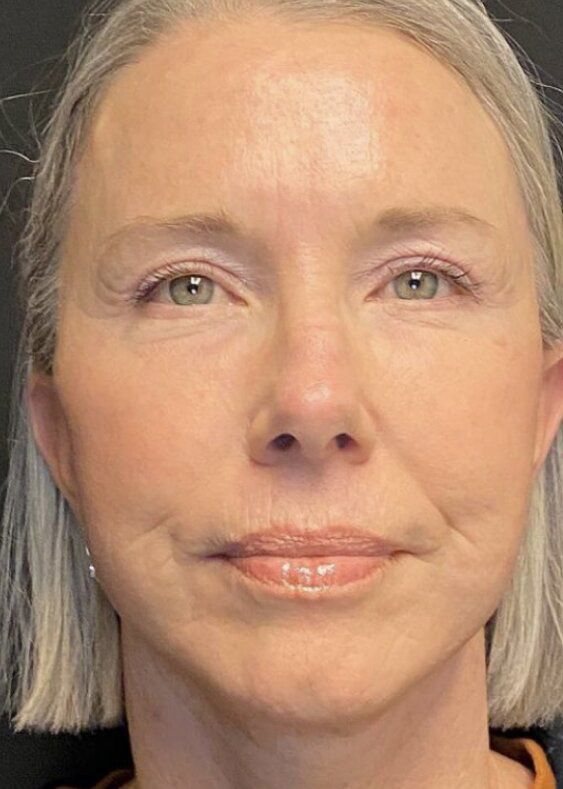
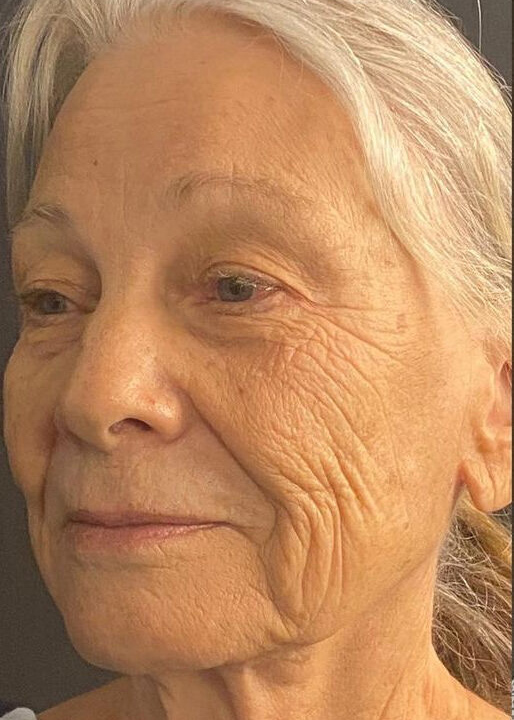
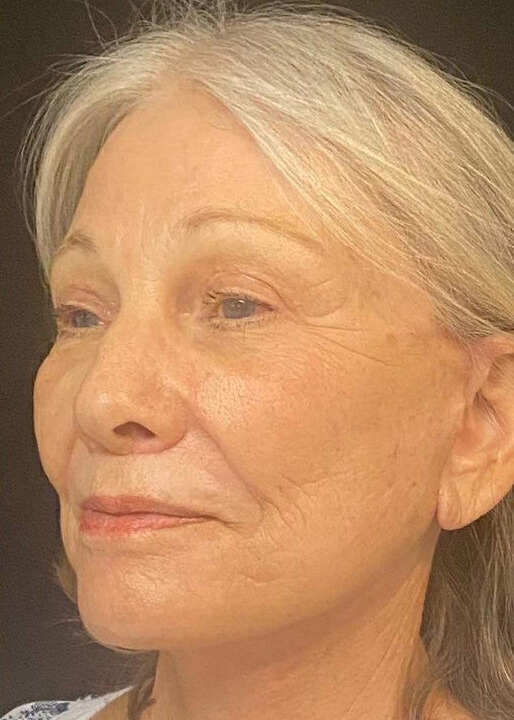
A facelift, or rhytidectomy, is a surgical procedure designed to improve visible aging in the lower face and jawline by repositioning tissues that have descended over time and removing or redraping excess skin when appropriate. Depending on a patient’s anatomy and goals, treatment may also address the neck or be combined with other facial procedures.
Modern facelift surgery is not simply about pulling the skin tighter. The goal is to restore more youthful facial contours while preserving the patient’s natural features, expression, and identity. During consultation, Dr. Ritu Chopra evaluates the face and neck as a whole and recommends the technique best suited to the patient’s anatomy, degree of aging, and desired outcome.
Medically reviewed by Ritu Chopra, MD — Board-Certified Plastic Surgeon
Facelift surgery should be tailored to the individual rather than approached as a one-size-fits-all procedure. Dr. Chopra focuses on facial balance, tissue position, skin quality, jawline and neck anatomy, and the relationship between different areas of the face when developing a surgical plan.
His approach emphasizes natural-looking rejuvenation rather than an over-tightened or “worked-on” appearance. Depending on the patient, he may recommend a SMAS-based technique, a deep plane facelift, or another individualized approach. The goal is to address the structures contributing to facial aging while maintaining natural movement and proportion.
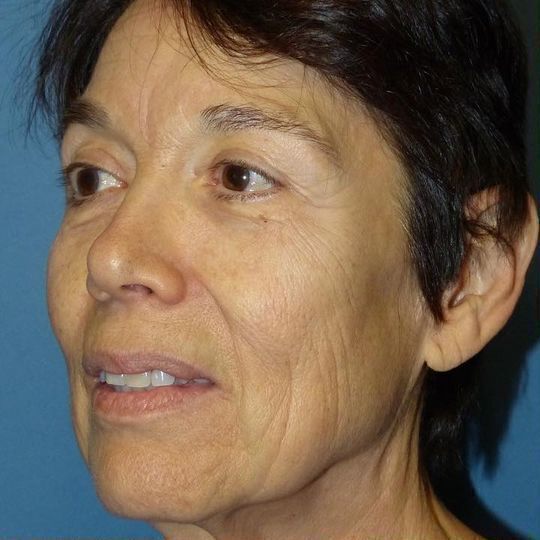
Our Beverly Hills facelift surgery can address several of the most noticeable changes associated with facial aging.
A facelift is primarily intended to address aging of the lower face and jawline. Common concerns include jowls, sagging cheeks, loss of jawline definition, deeper facial folds related to tissue descent, and laxity that extends toward the neck.
The exact areas treated vary from patient to patient. Some people have primarily lower-face laxity, while others have aging that involves the cheeks, jawline, and neck together. During consultation, Dr. Chopra evaluates where the tissues have descended and which areas should be treated to create a balanced result.
A facelift does not directly correct every sign of facial aging. Brow descent may be better treated with a brow lift, while fine surface lines, pigmentation, and skin texture may respond better to nonsurgical skin treatments. Volume loss may also require fat transfer or another volume-restoring treatment. Dr. Chopra may recommend combining procedures when doing so creates a more complete and harmonious result.
Good facelift candidates are generally healthy adults who are bothered by facial laxity that cannot be adequately improved with nonsurgical treatments. The decision is based less on a specific age and more on the patient’s anatomy, degree of tissue descent, skin quality, medical history, and expectations.
There is no single “best” age for a facelift in Beverly Hills. Some patients develop meaningful facial laxity in their 40s or 50s, while others may not consider surgery until later. What matters most is whether the degree and pattern of aging can be effectively improved with surgery and whether the patient is healthy enough to undergo the procedure safely.
There is no single facelift technique that is right for every patient. The surgical approach should match the anatomy being treated and the degree of correction needed.
A SMAS facelift addresses the superficial musculoaponeurotic system, a deeper supportive layer beneath the skin. Repositioning this layer can improve the jawline and lower face while reducing the need to place excessive tension on the skin itself.
A deep plane facelift works beneath the SMAS and allows deeper facial tissues to be repositioned together. It may be recommended for patients with more significant cheek descent, jowling, or lower-face aging. Visit our dedicated Deep Plane Facelift page for a complete explanation of the technique.
A mini facelift generally uses a more limited surgical approach and may be appropriate for selected patients with earlier or less extensive lower-face laxity. It does not provide the same degree of correction as a more comprehensive facelift for everyone.
Both approaches address deeper facial support rather than relying on skin tightening alone. The key difference is the plane in which the surgeon works and how the deeper tissues are released and repositioned. Dr. Chopra determines the appropriate approach based on each patient’s anatomy and goals.
Facelift surgery is performed using an individualized plan based on the areas of the face and neck that require correction. Incisions are typically placed around the ear and within or near the hairline so the surgeon can access and reposition the underlying tissues while keeping visible scarring as inconspicuous as possible.
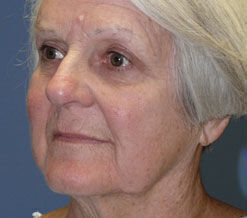
Rather than relying on skin tension alone, modern facelift techniques address deeper support structures first. Once the deeper tissues are repositioned, excess skin can be conservatively removed or redraped. The exact technique, extent of dissection, and whether the neck is treated at the same time with a neck lift depend on the patient’s anatomy and surgical plan.
Facelift incisions are commonly placed in natural creases around the ear and may extend into the hairline or behind the ear depending on the technique and whether the neck is treated. The goal is to provide adequate surgical access while positioning scars where they can be concealed as much as possible.
Scars are initially more noticeable and gradually mature over time. Their final appearance varies based on the surgical technique, individual healing characteristics, skin type, and postoperative care. Dr. Chopra explains the expected incision pattern before surgery so patients understand where scars will be located.
With a facelift Beverly Hills patients should know that results are long-lasting, but surgery does not stop the natural aging process. Many patients continue to look younger than they would have without surgery even as aging continues over the years.
Longevity varies based on the technique performed, the extent of correction, skin quality, facial anatomy, genetics, sun exposure, smoking history, weight changes, and other lifestyle factors. Dr. Chopra can discuss what is realistic for your individual surgical plan during consultation.
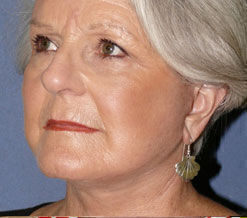
Recovery varies according to the technique performed and the extent of surgery. The timeline below is a general overview; Dr. Chopra will provide instructions specific to your procedure.
Swelling, bruising, tightness, and temporary numbness are common. Patients should rest with the head elevated, follow incision-care instructions, and have help available at home as directed.
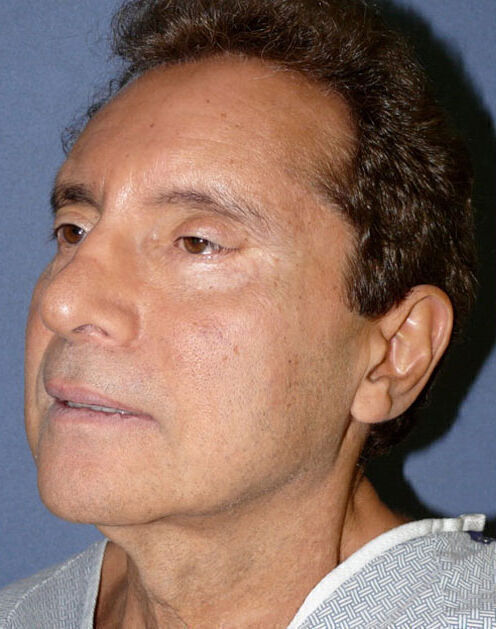
Early swelling and bruising begin to improve. Follow-up visits allow Dr. Chopra to monitor healing and advise when sutures, drains, or dressings can be removed if they were used.
Many patients feel more comfortable returning to work and social activities as swelling and bruising become less noticeable, although individual recovery varies.
Activity can generally be increased gradually once cleared by the surgeon. Residual swelling and subtle changes may continue to improve for several months as the tissues settle.
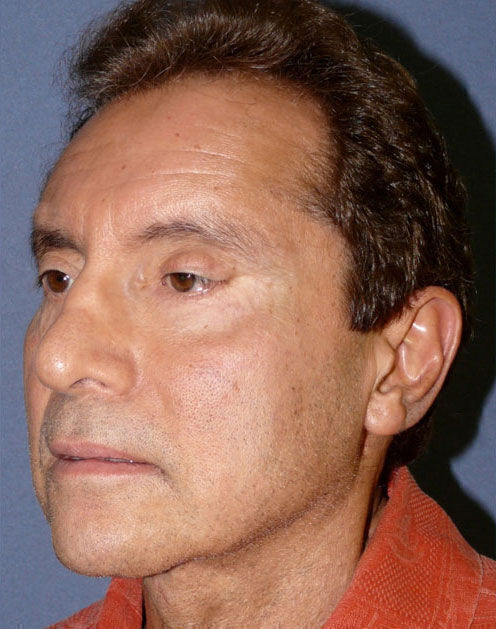
As with any surgery, facelift surgery carries potential risks. These can include bleeding or hematoma, infection, delayed wound healing, unfavorable scarring, temporary or persistent changes in sensation, asymmetry, hairline changes, anesthesia-related complications, and injury to facial nerves or other structures.
The likelihood and significance of specific risks depend on the patient’s health, anatomy, procedure, and other factors. Dr. Chopra reviews relevant risks, medical history, medications, nicotine use, and postoperative instructions during the surgical planning process so patients can make an informed decision.
The cost of facelift surgery in Beverly Hills varies because every procedure is customized. Pricing can be influenced by the facelift technique, the extent of lower-face and neck correction, whether additional procedures are performed, anesthesia, facility fees, and the overall complexity of the surgical plan.
Following an in-person evaluation, the Plastic Surgery Institute team can provide a personalized surgical quote based on Dr. Chopra’s recommendations. Choosing a facelift surgeon should be based on training, experience, surgical approach, safety, and the quality of results in addition to price.
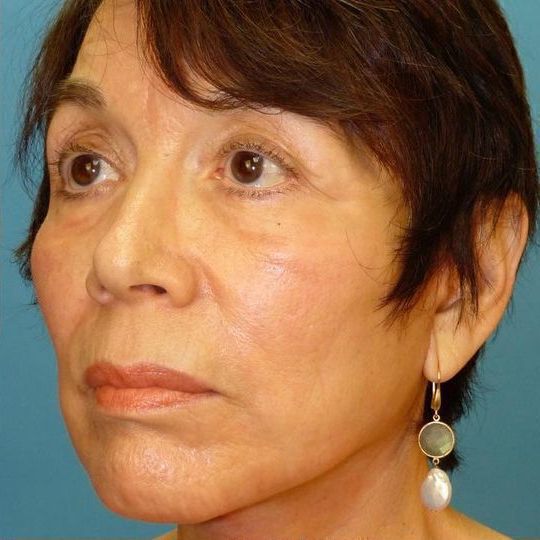
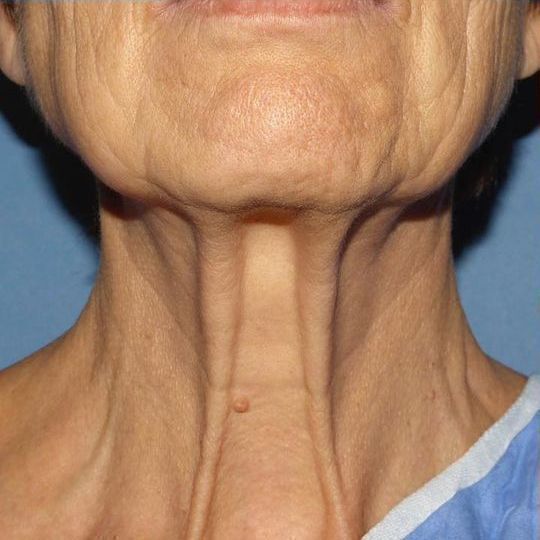
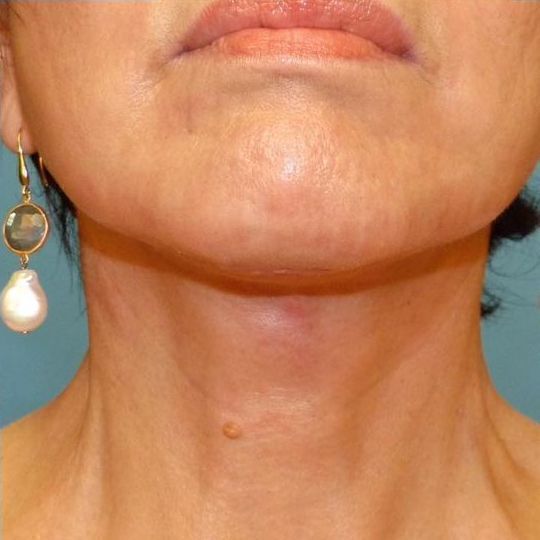
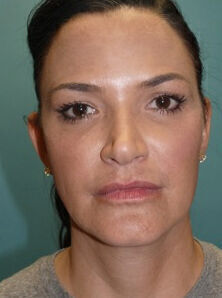
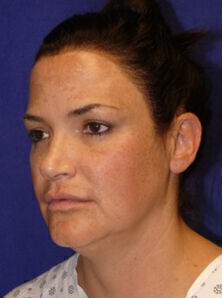
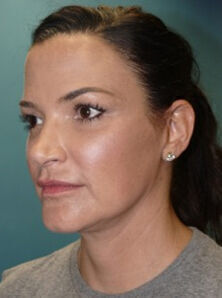
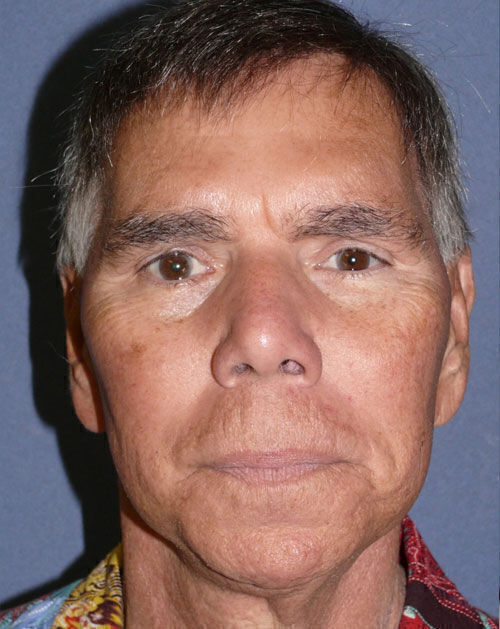
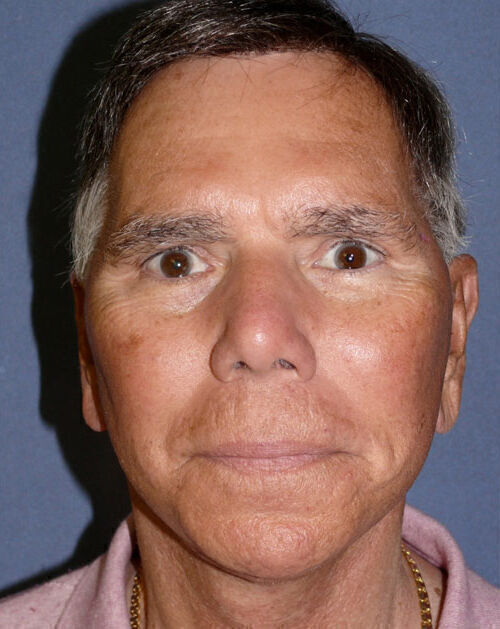
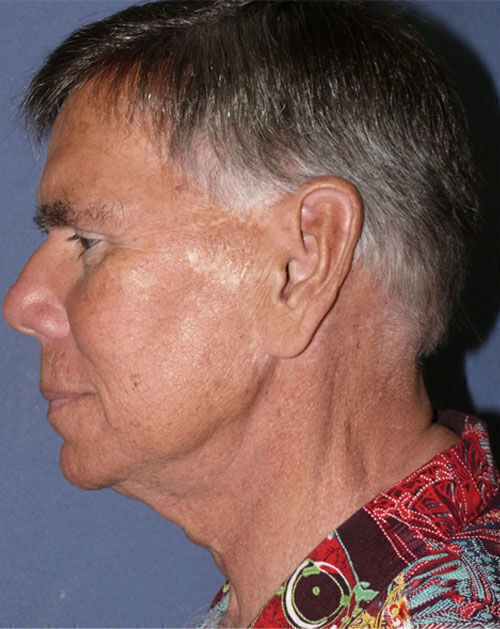
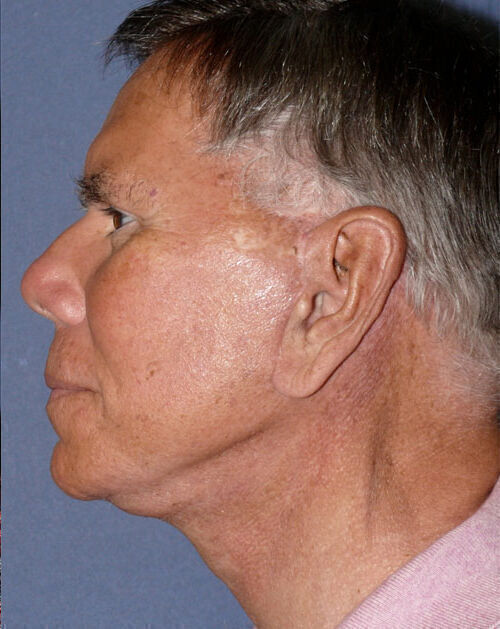
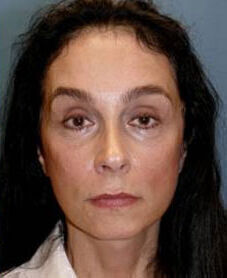
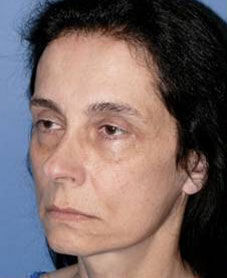
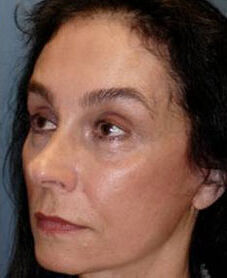
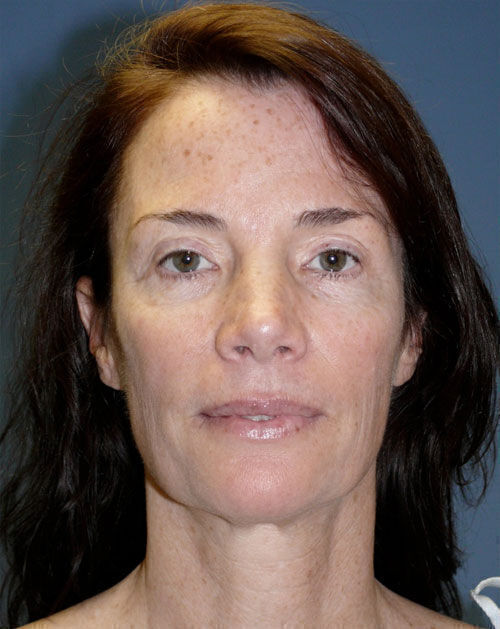
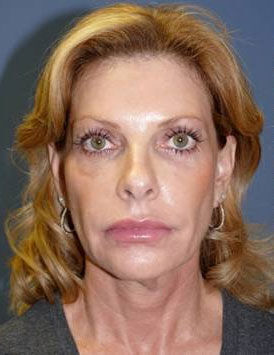
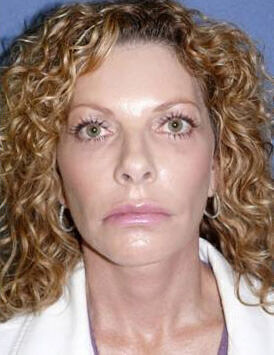
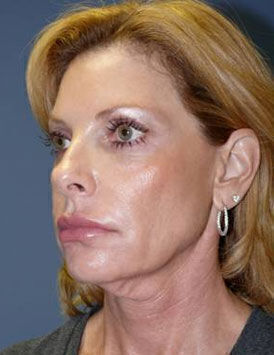
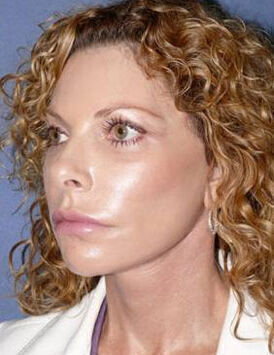
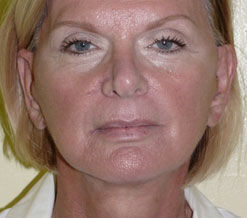
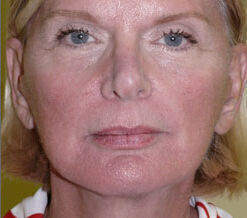
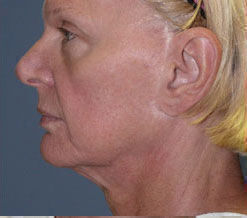
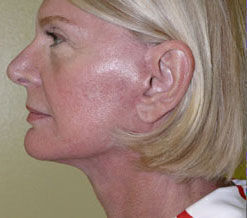
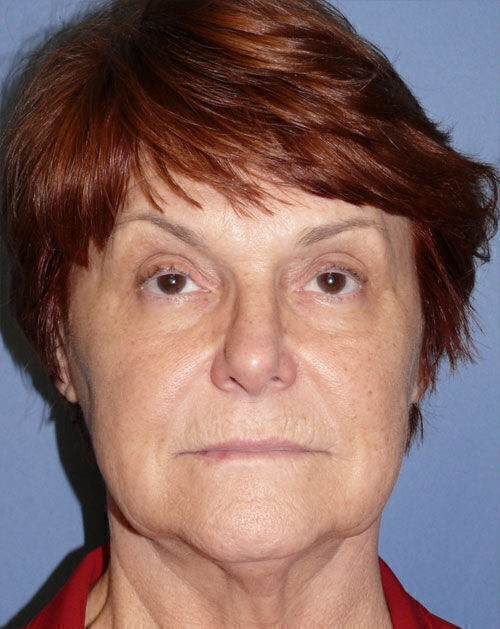
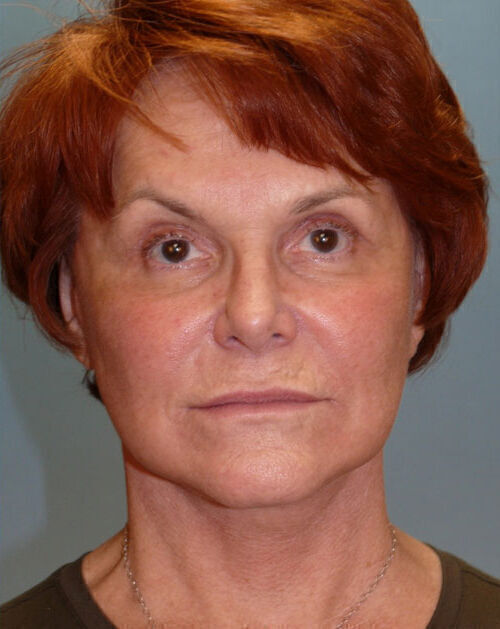
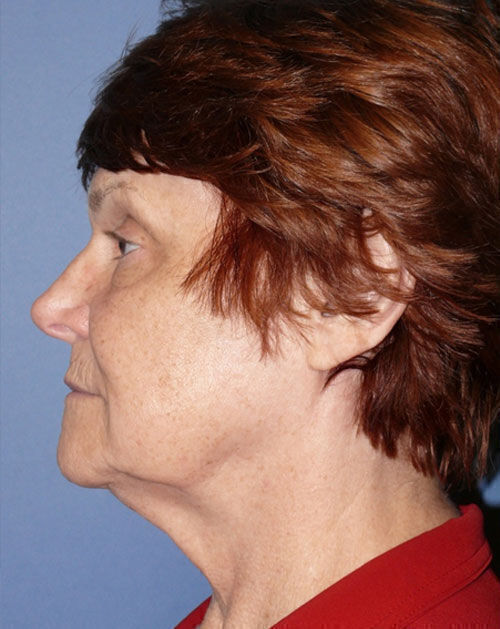
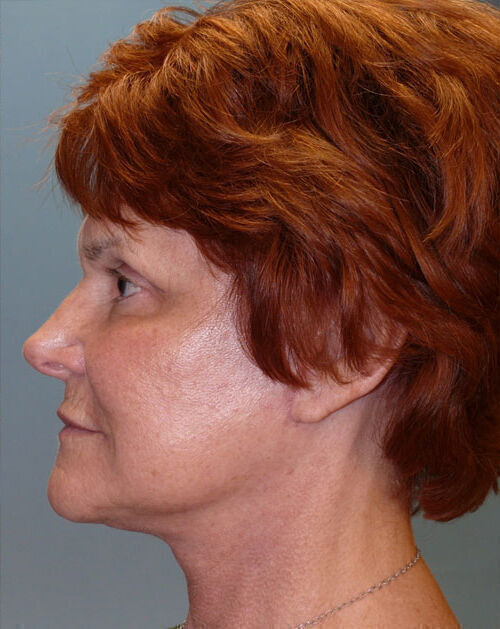
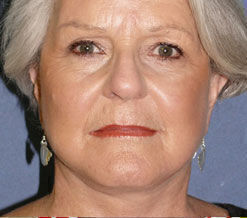
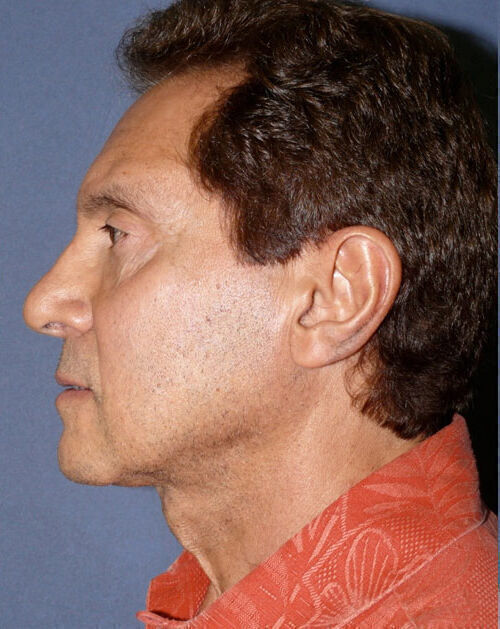
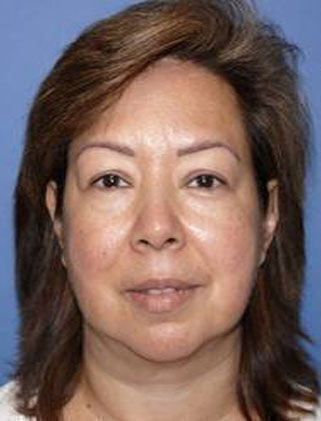
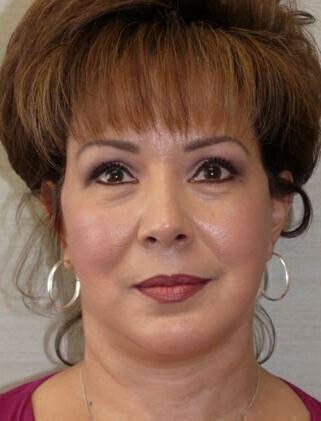
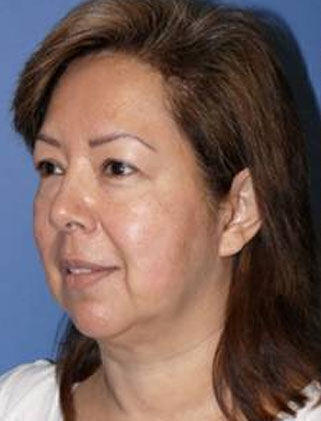
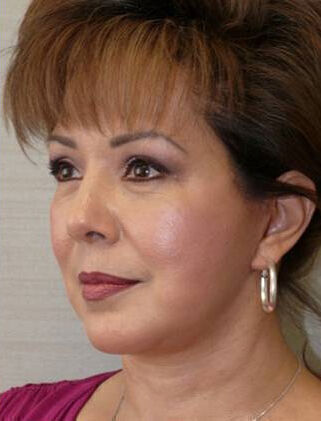
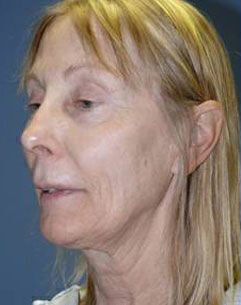
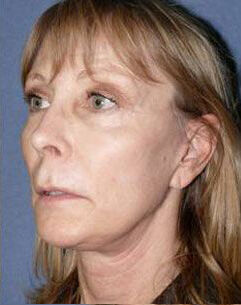
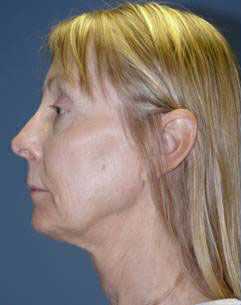
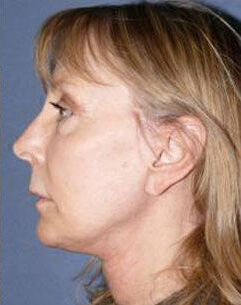
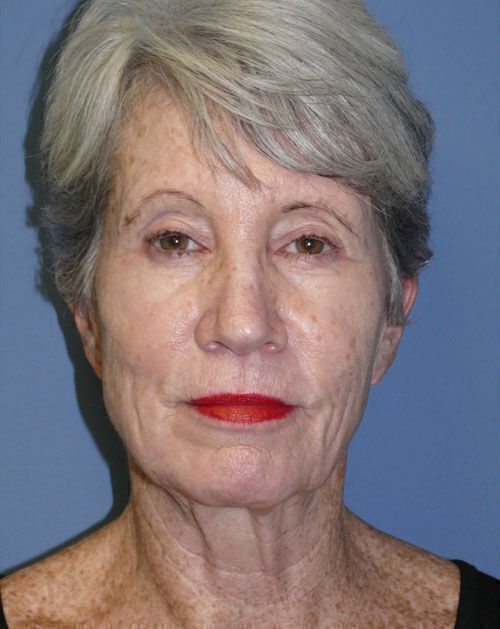
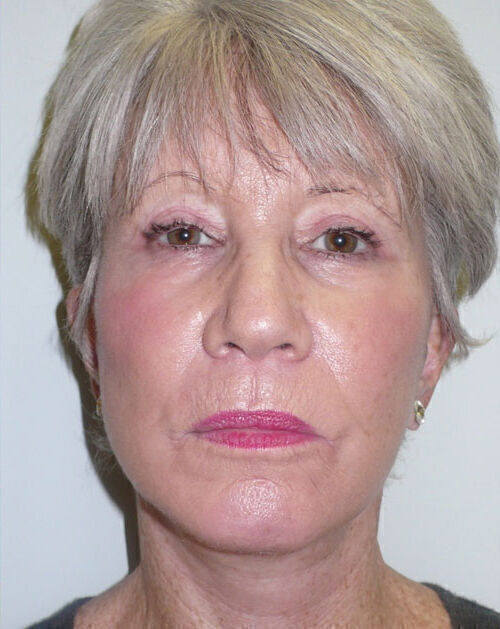
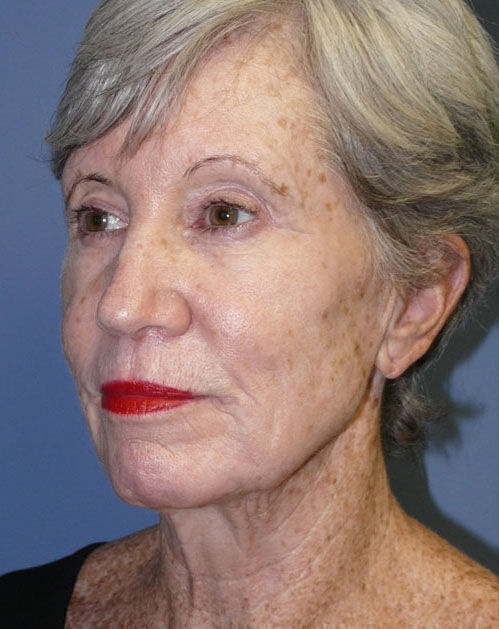
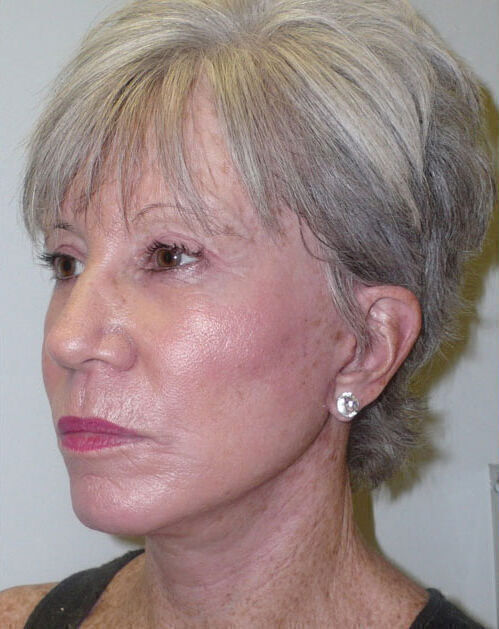
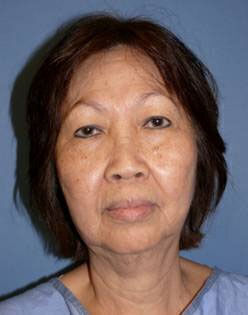
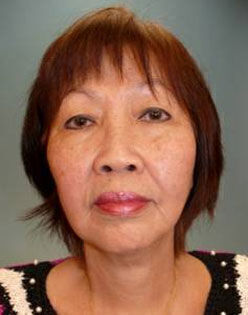
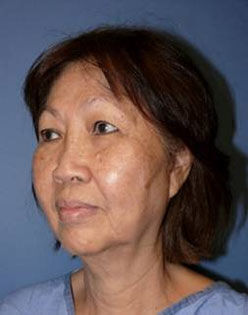
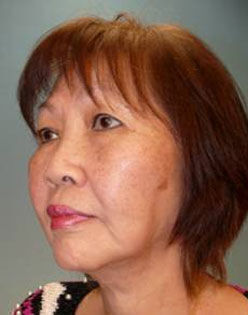
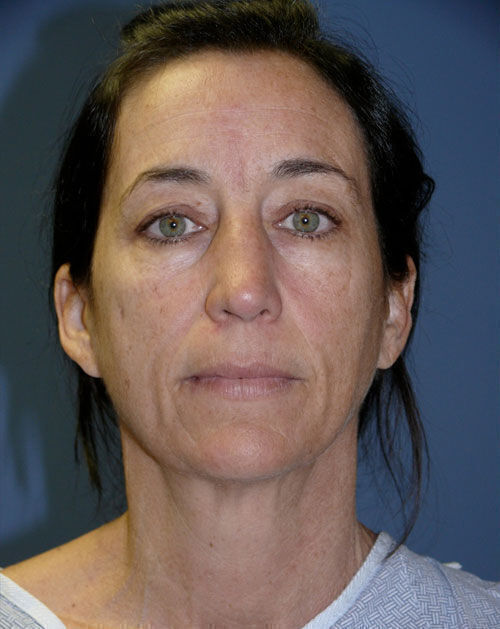
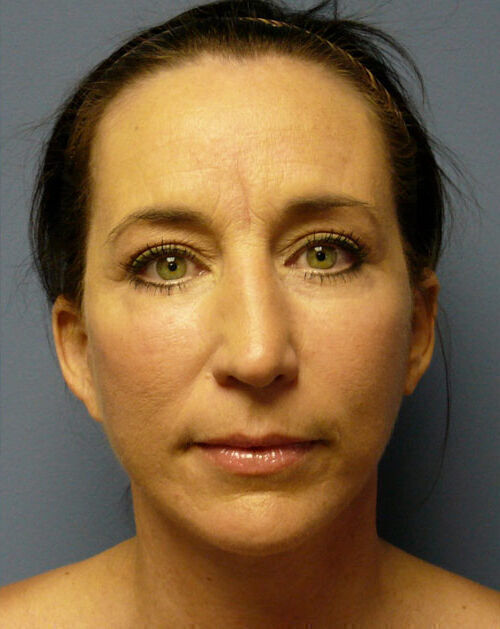
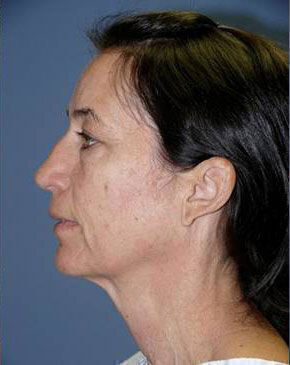
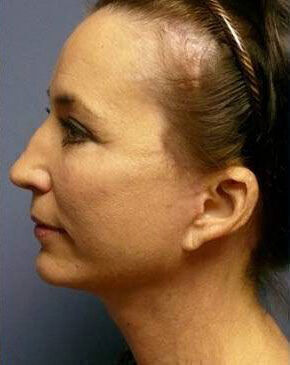
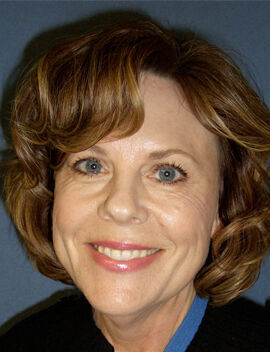
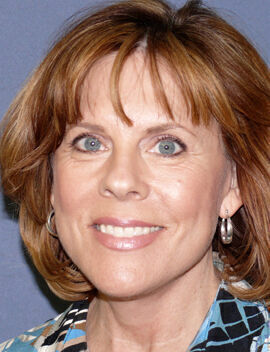
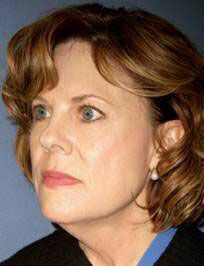
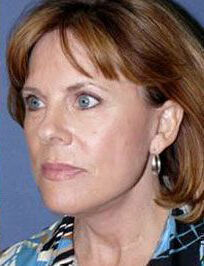
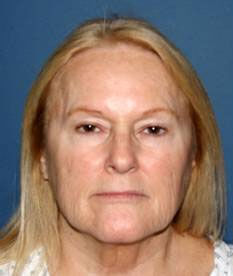
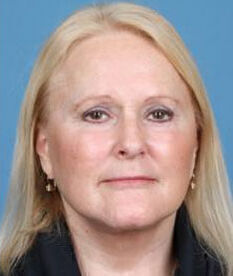
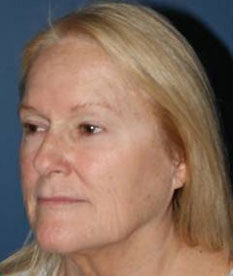
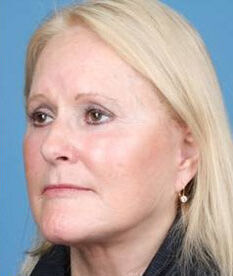
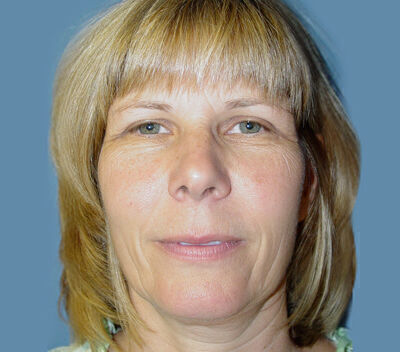
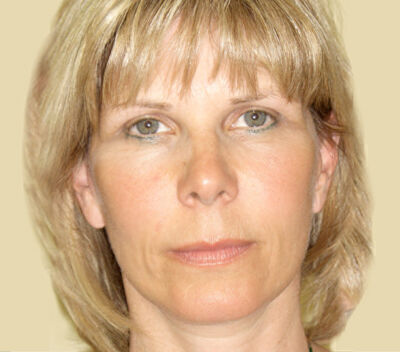
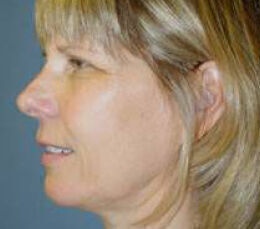
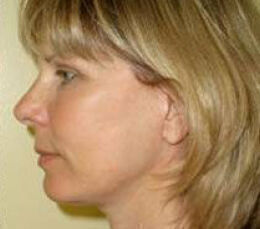
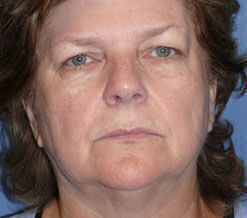
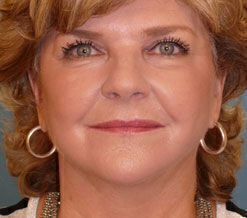
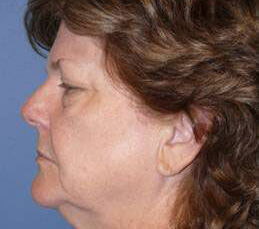
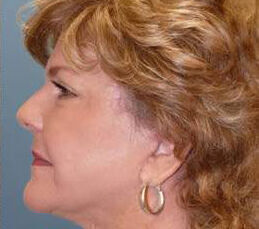
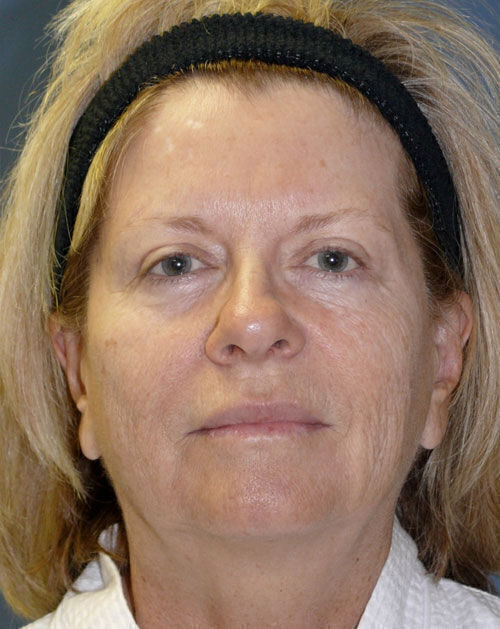
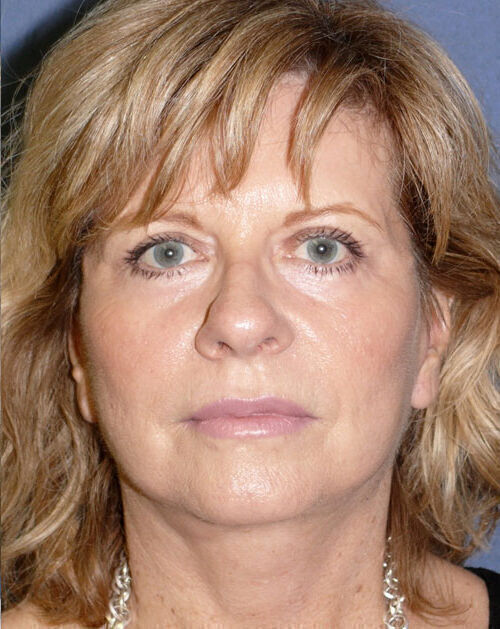
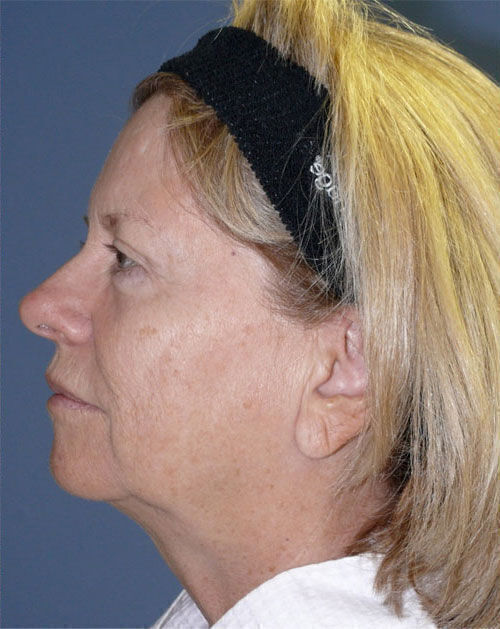
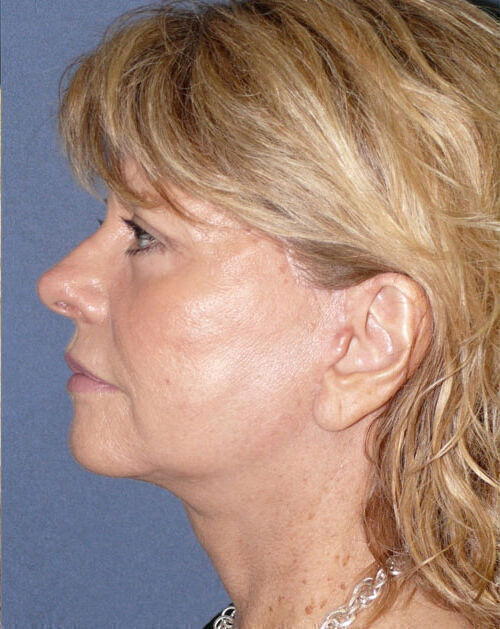
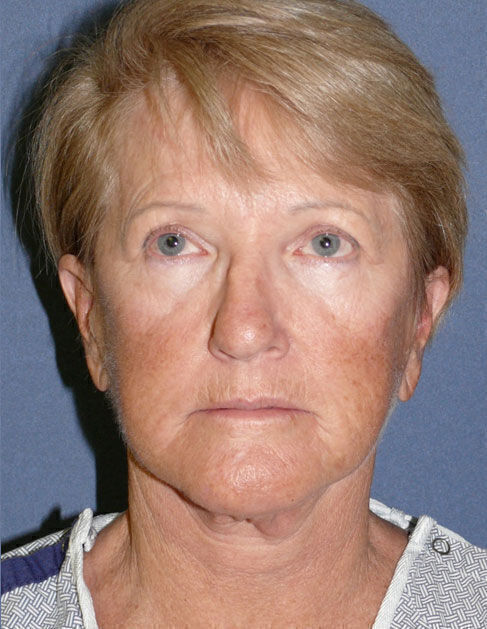
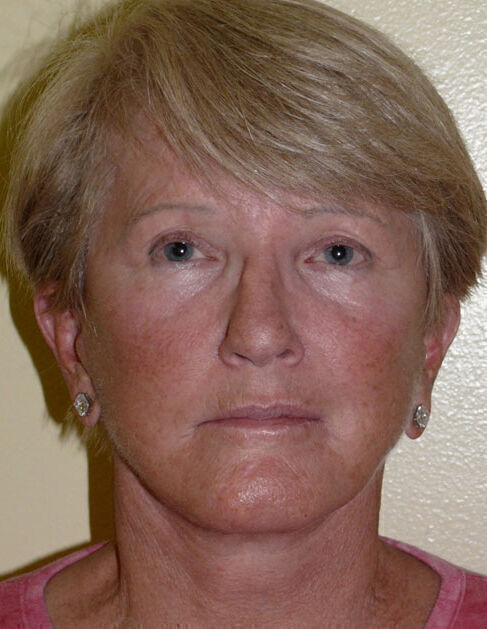
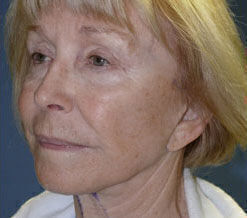
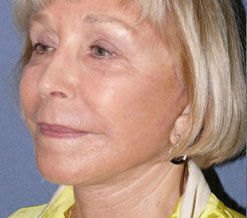
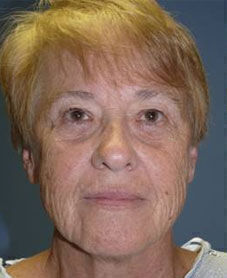
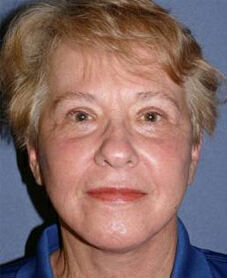
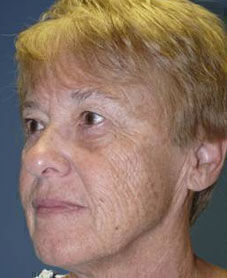
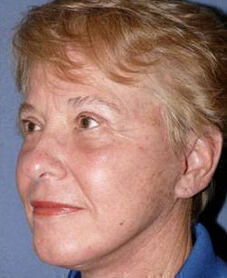
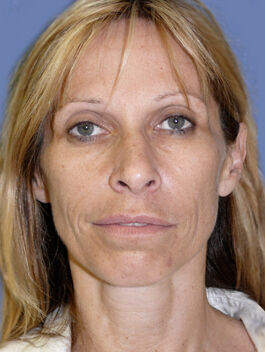
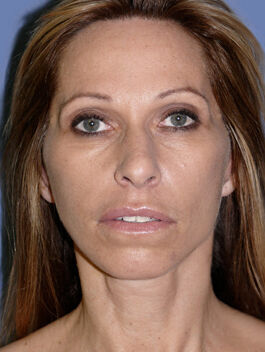
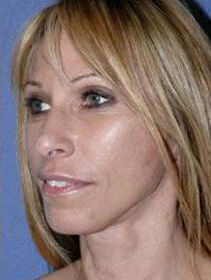
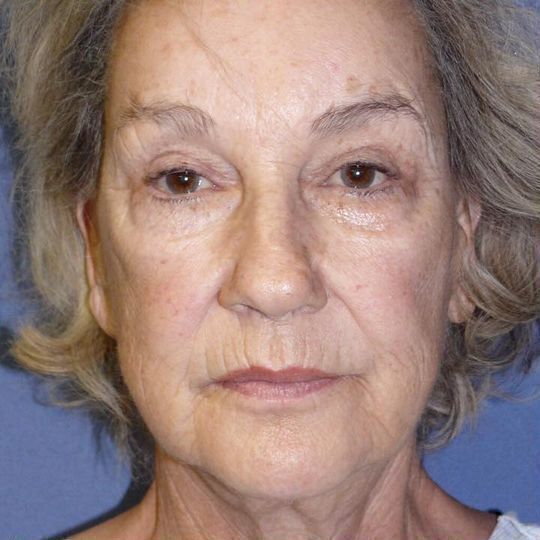
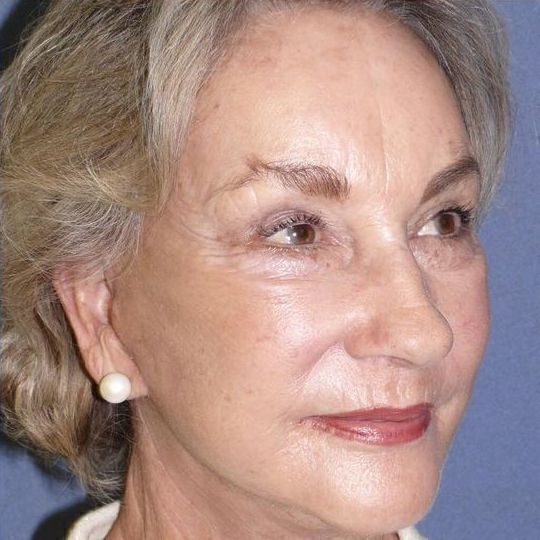
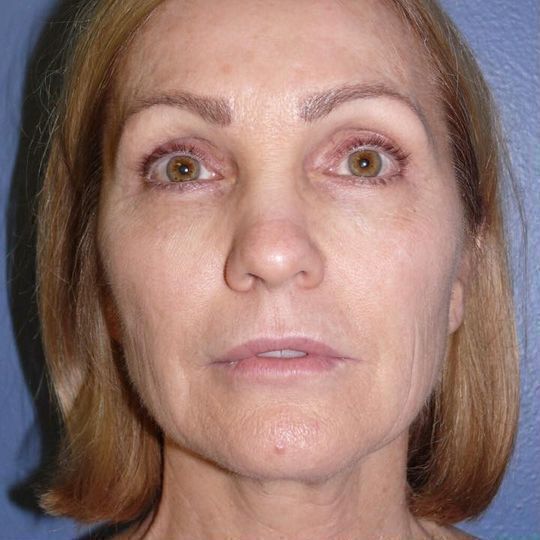
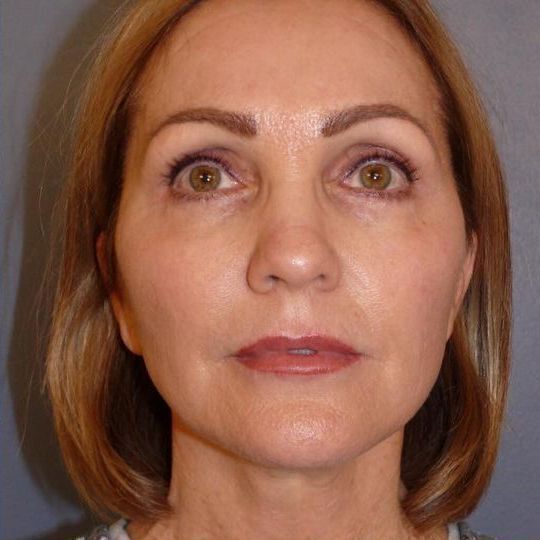
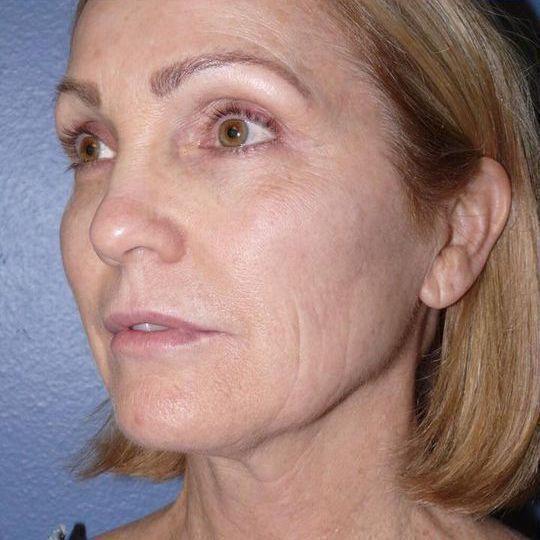
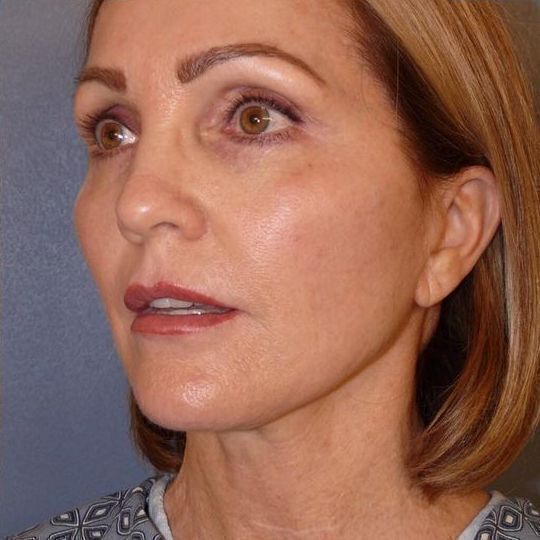
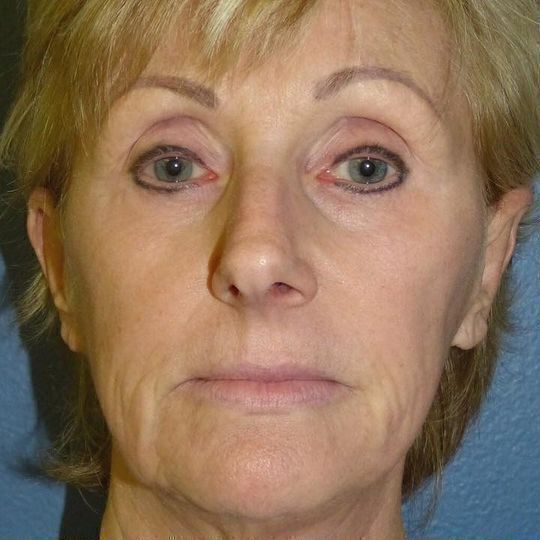
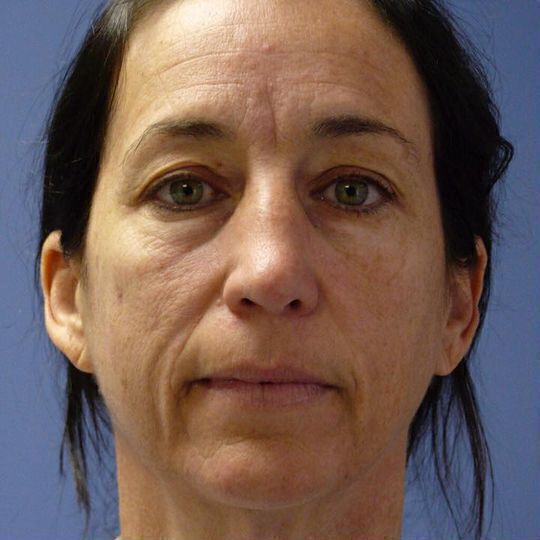
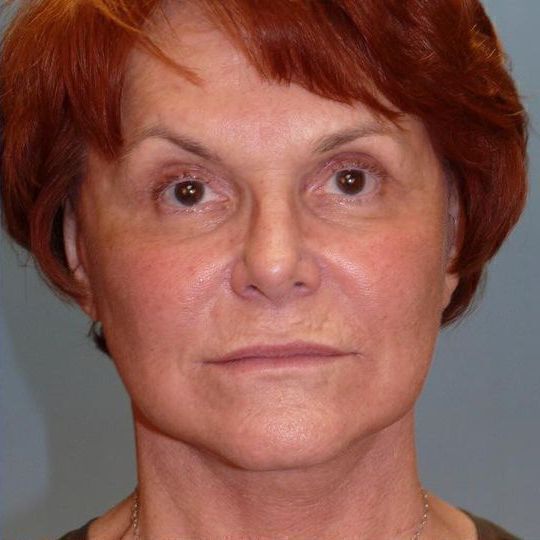
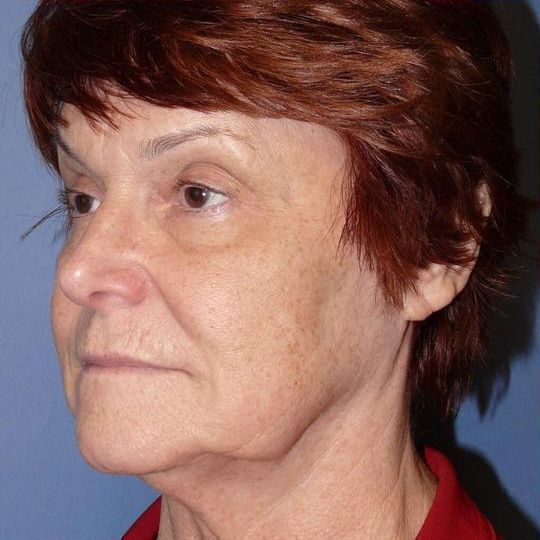
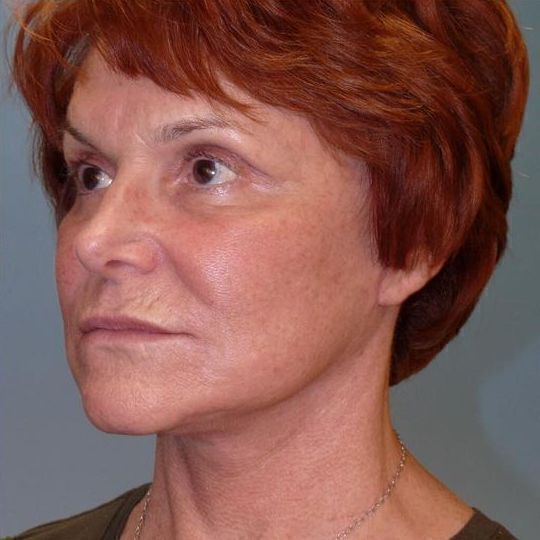
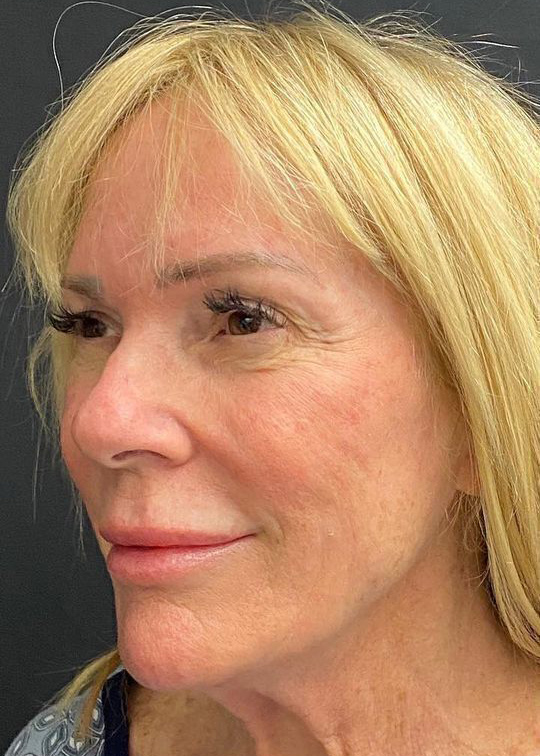
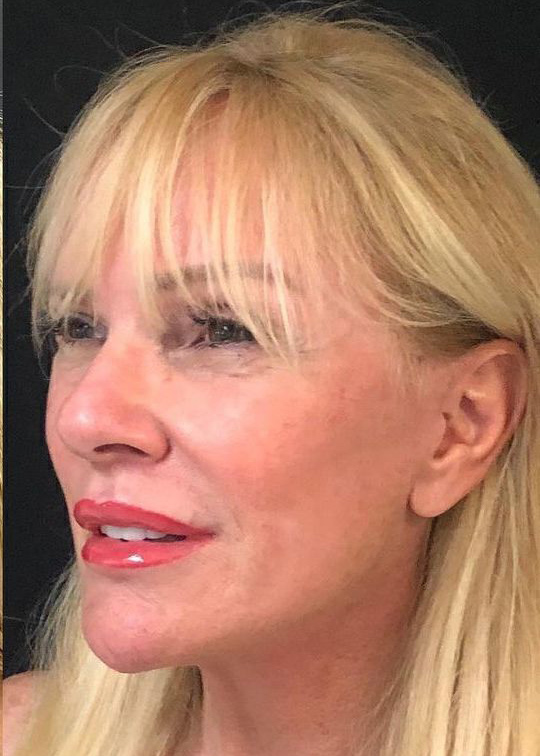
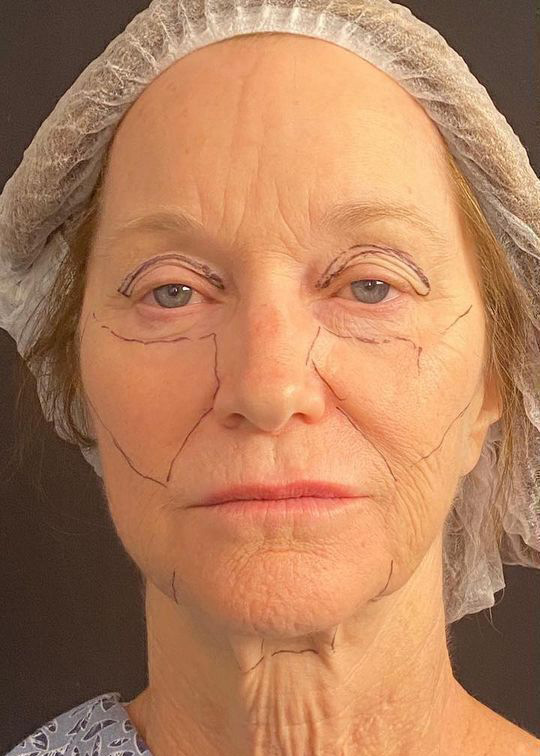
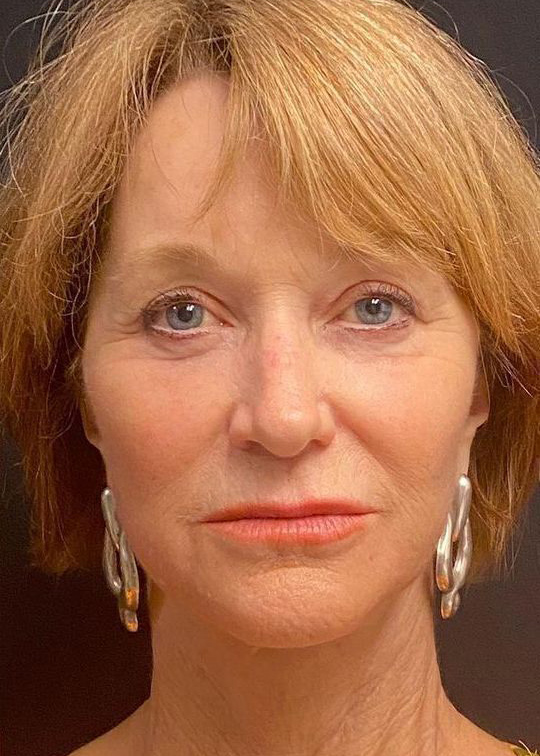
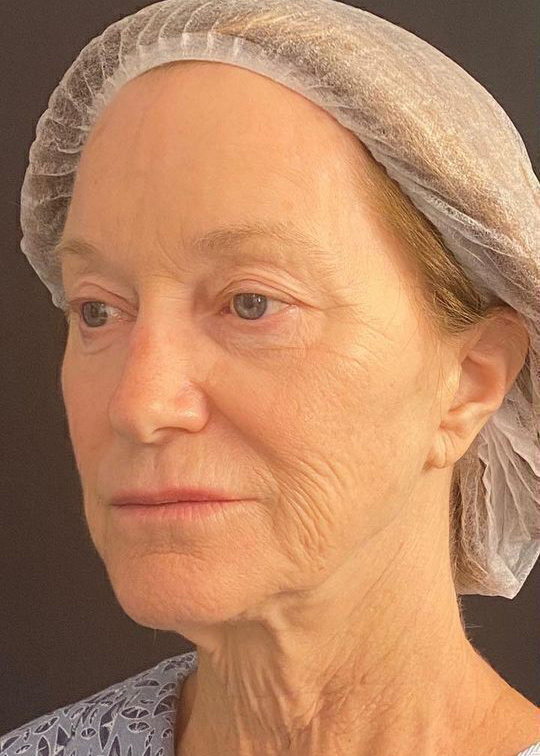
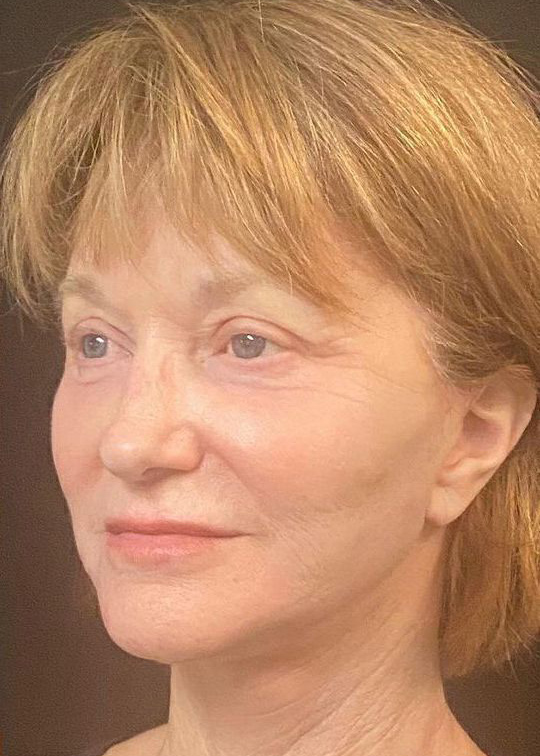
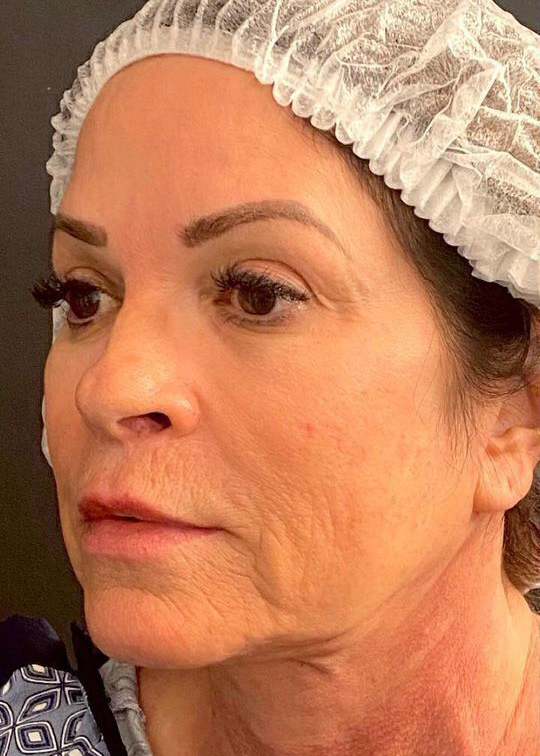
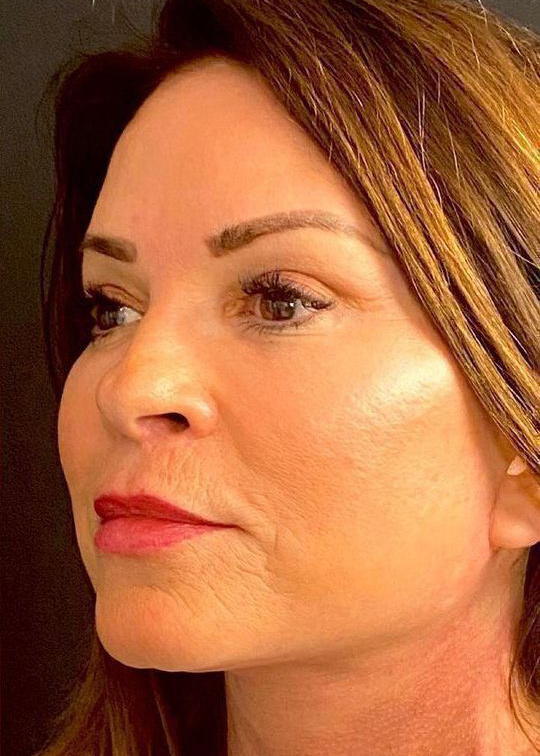
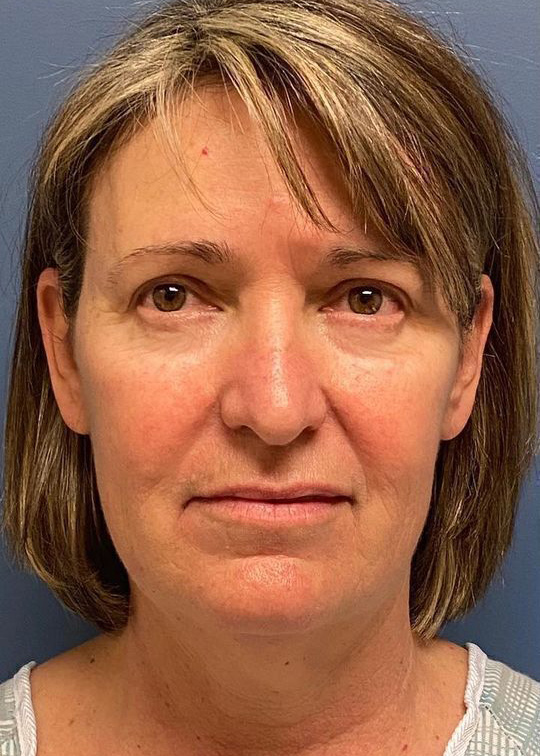
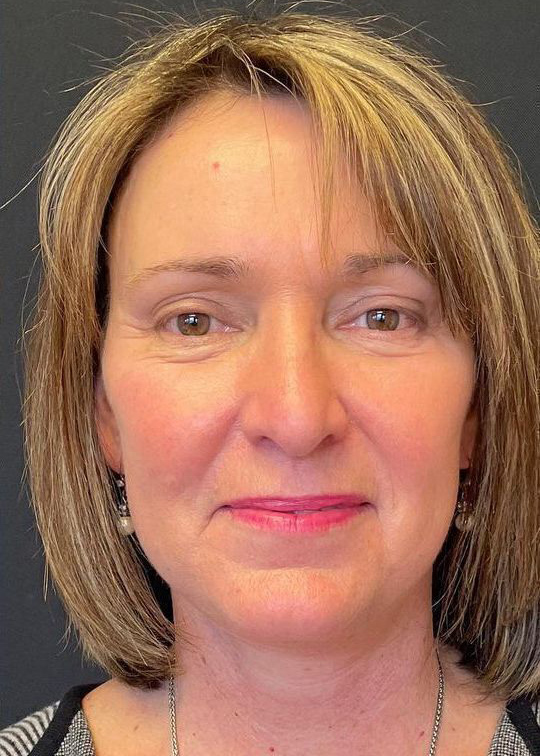
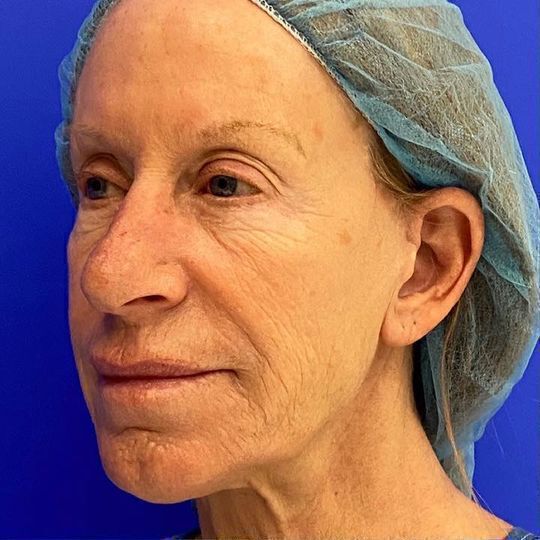
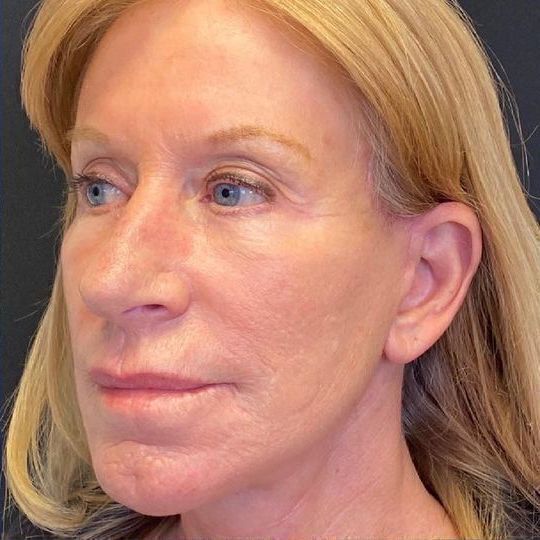
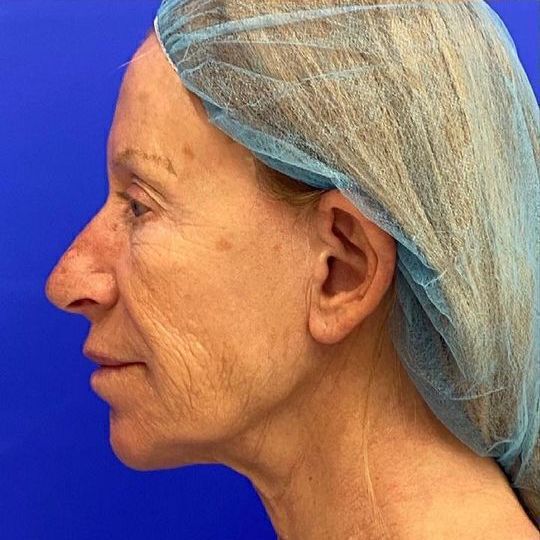
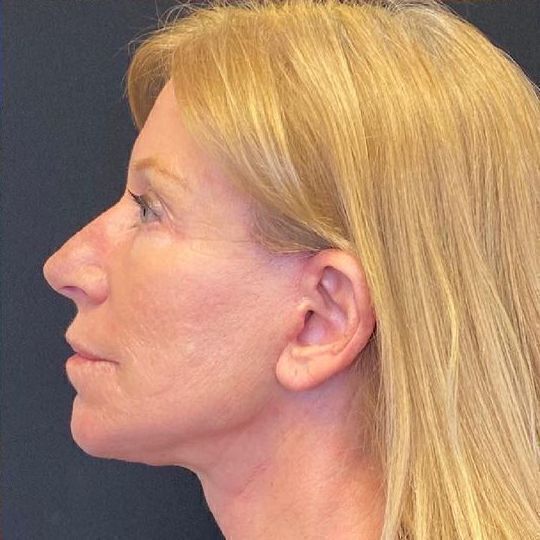
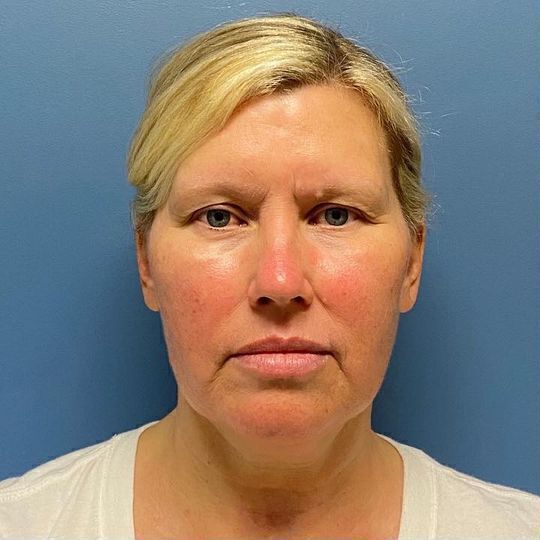
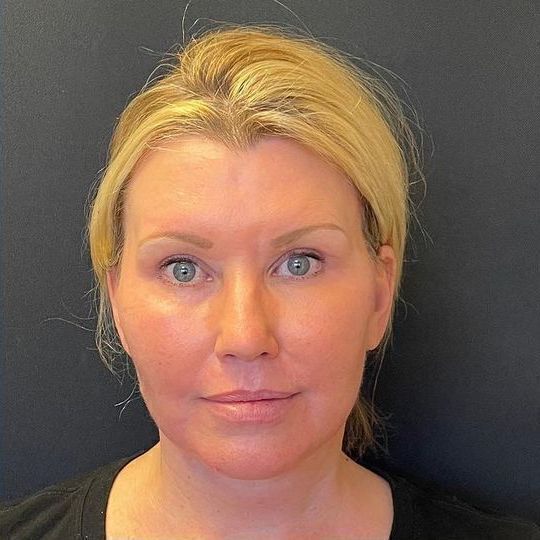
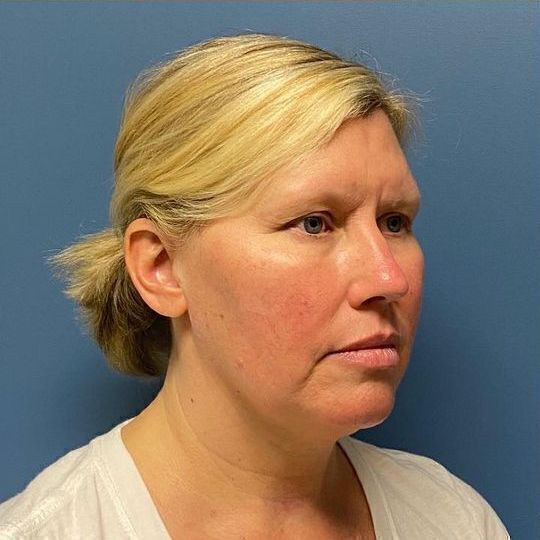
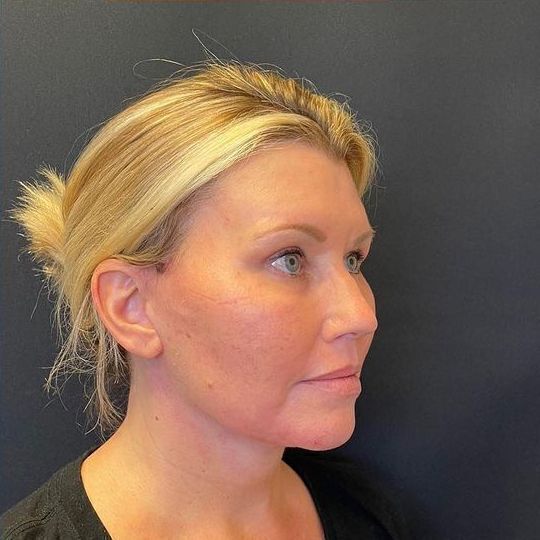
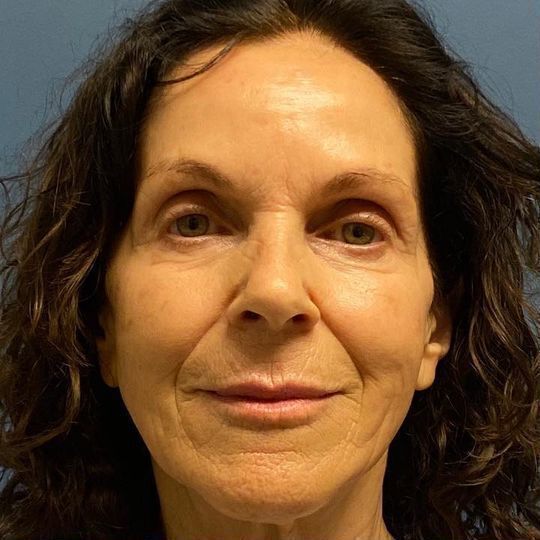
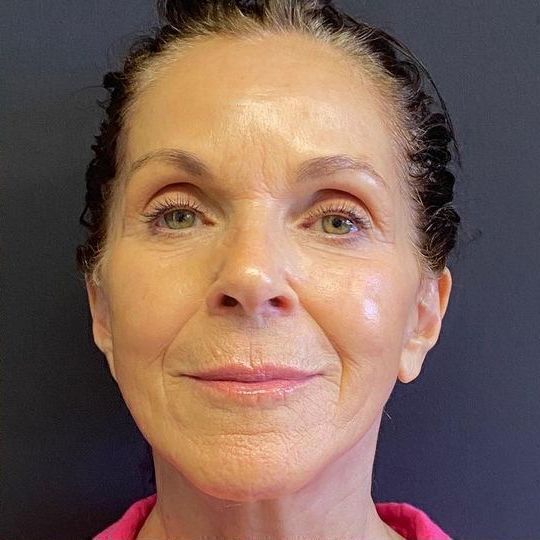
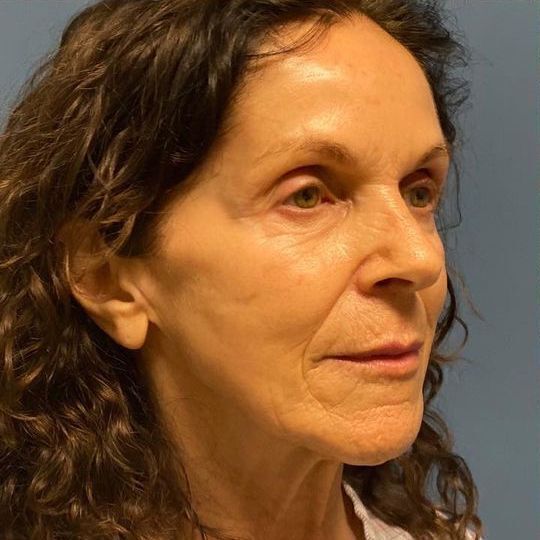
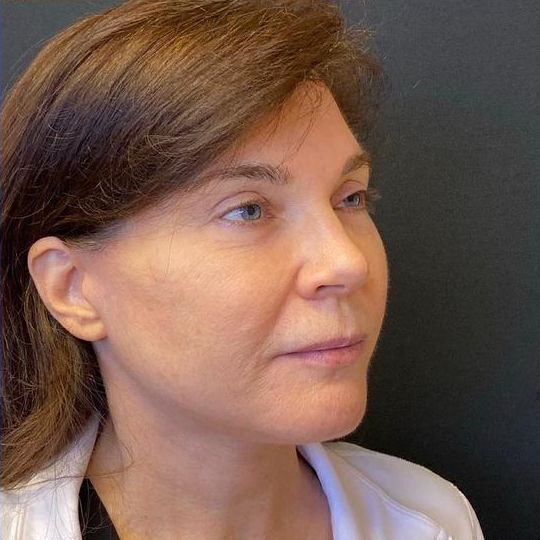
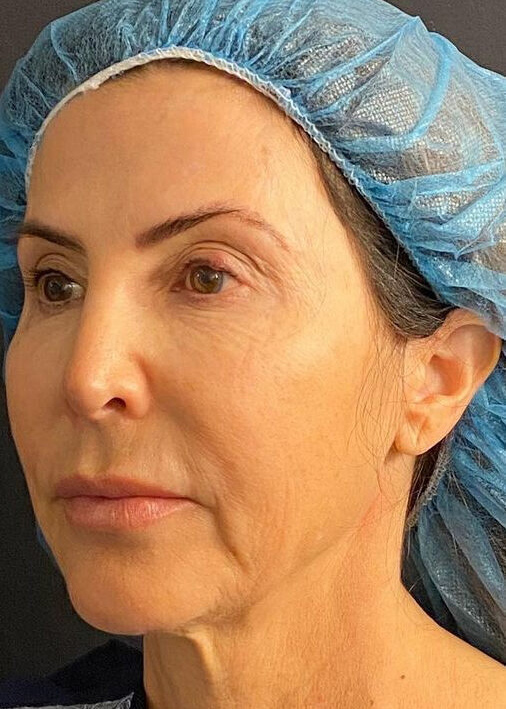
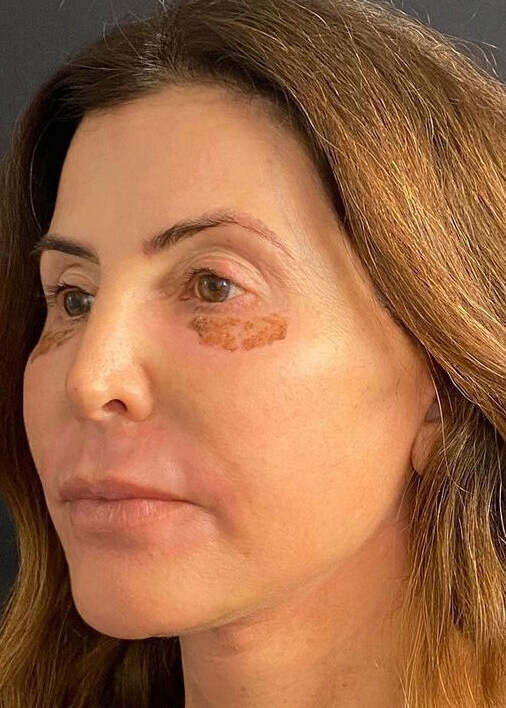
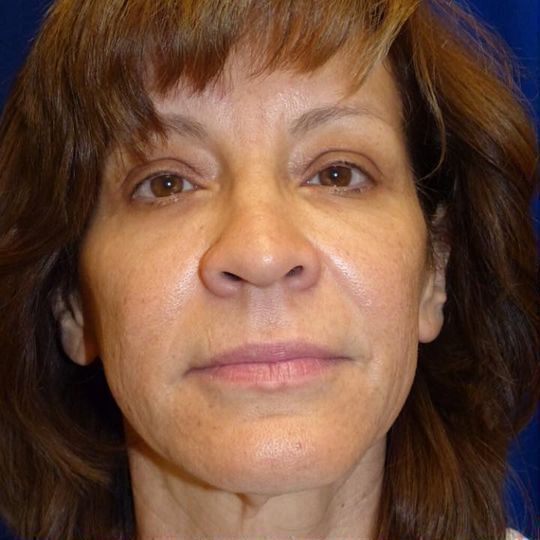
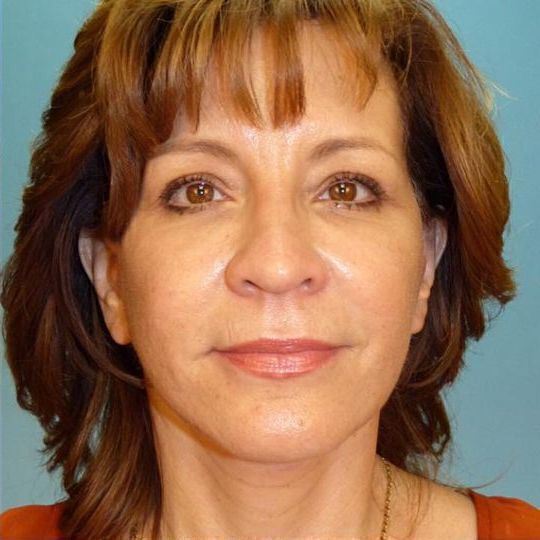
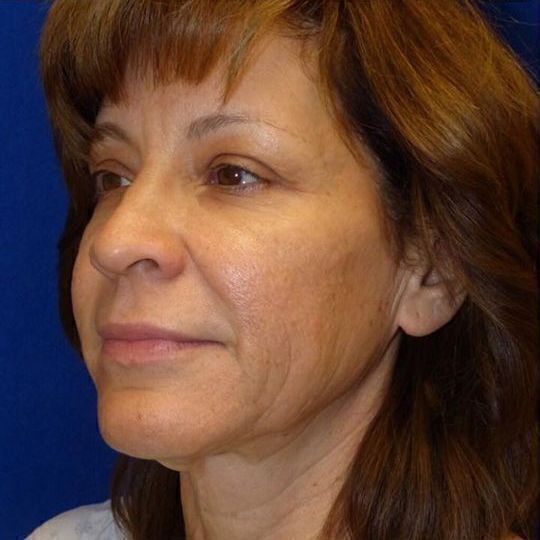
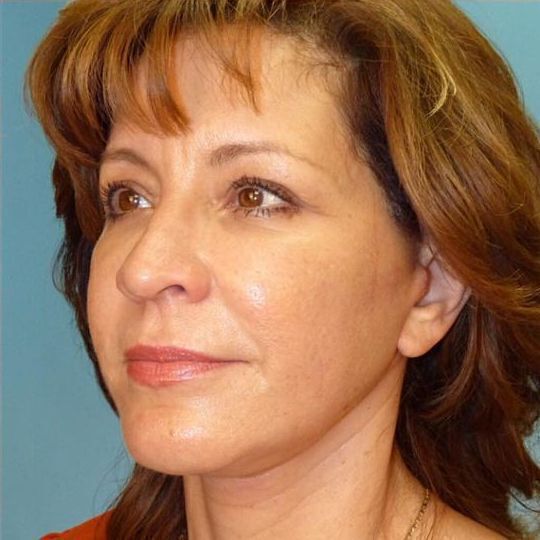
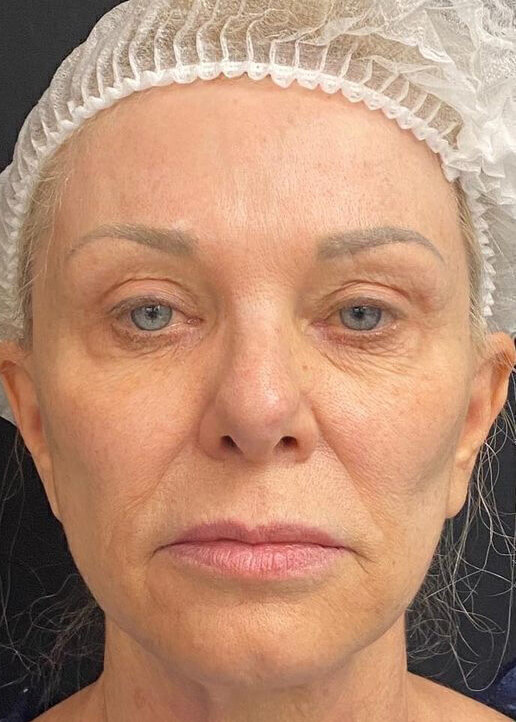
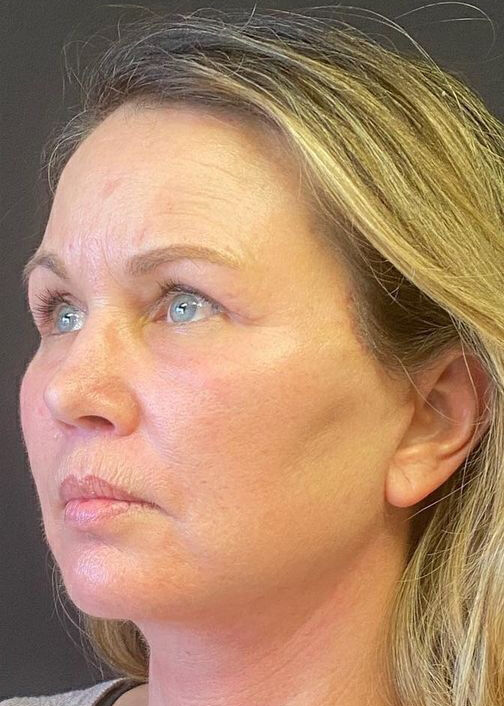
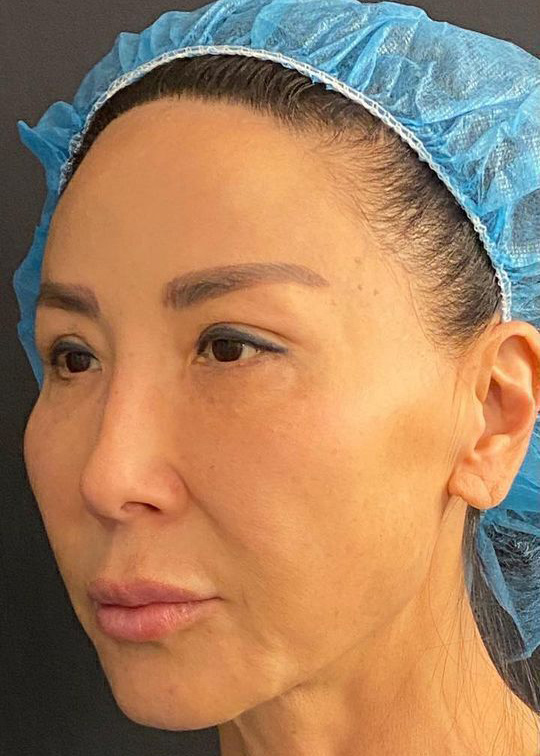
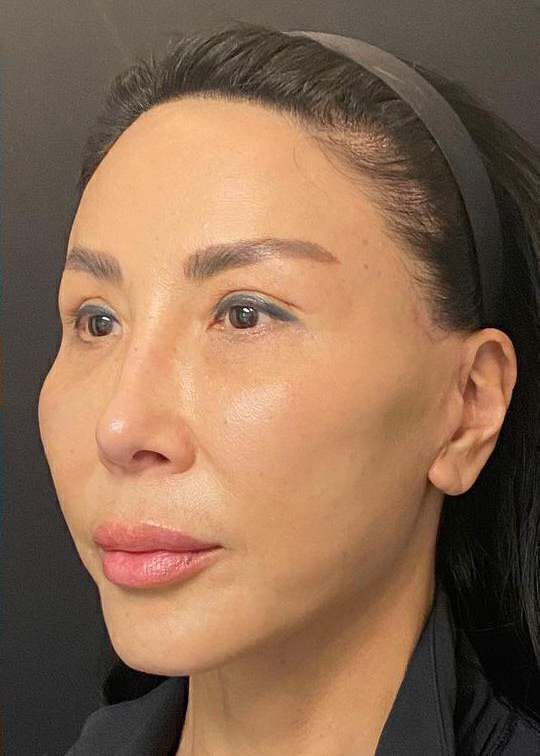
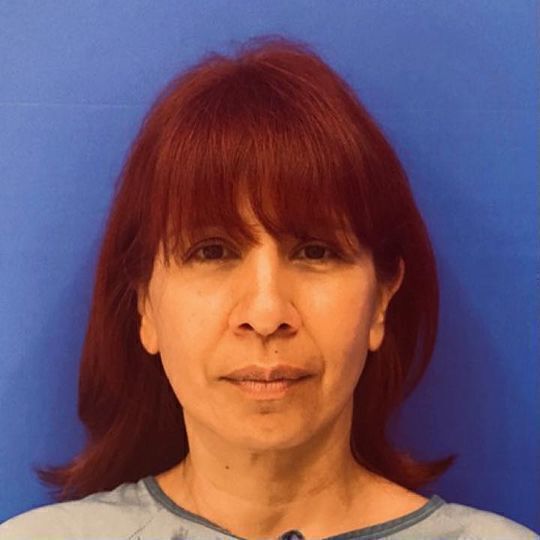
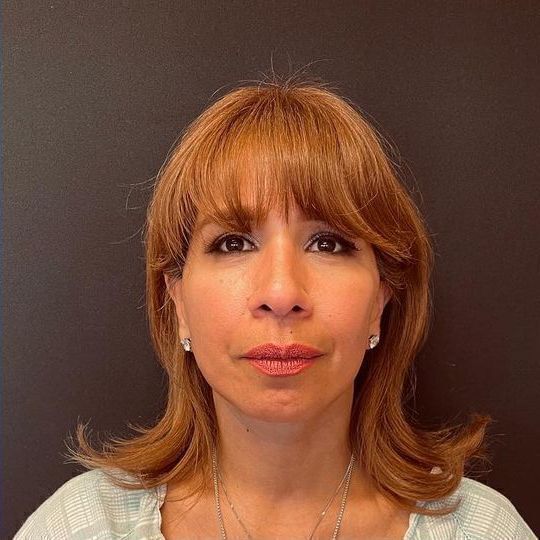
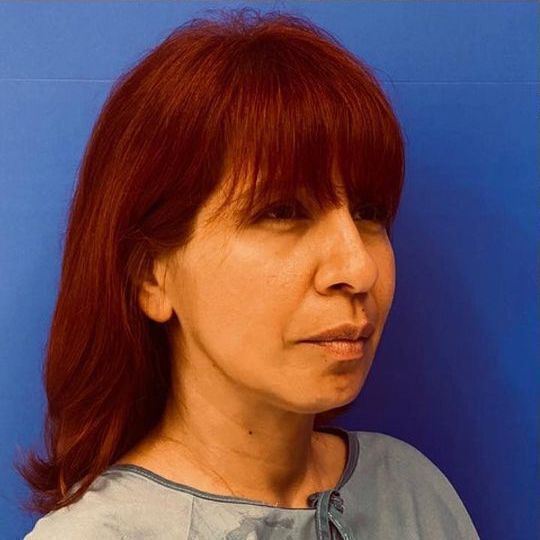
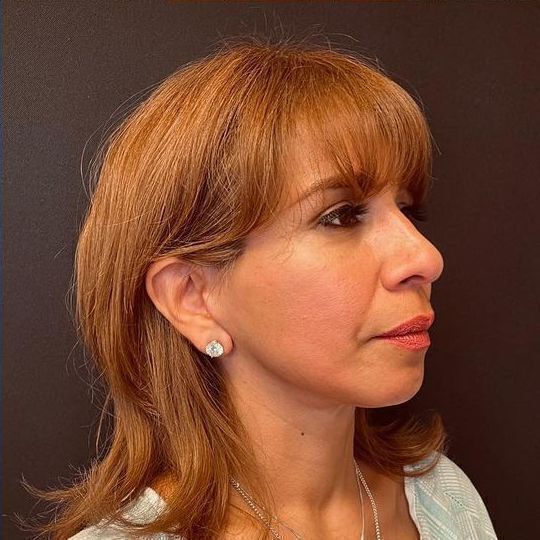
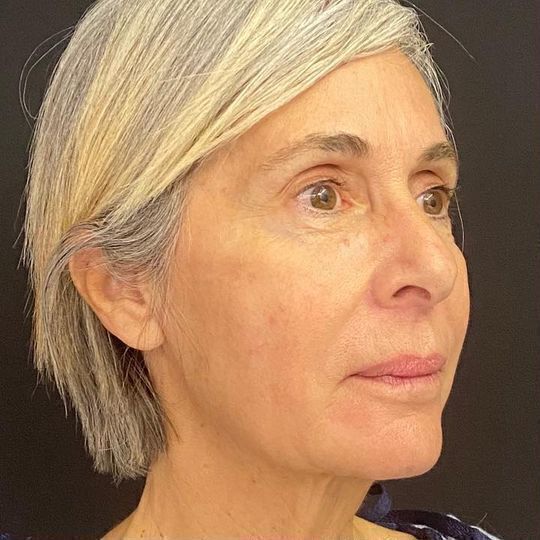
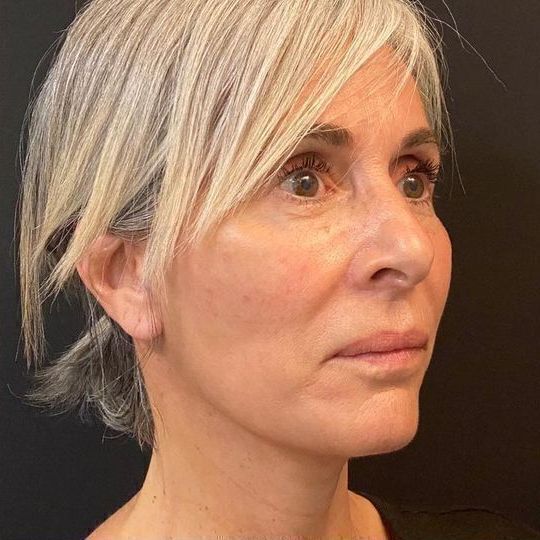
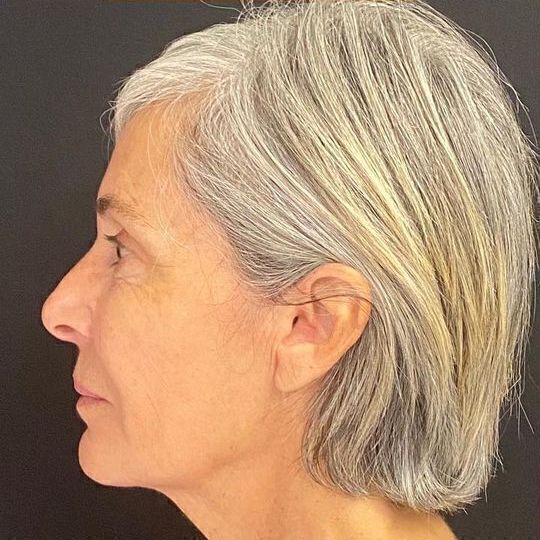
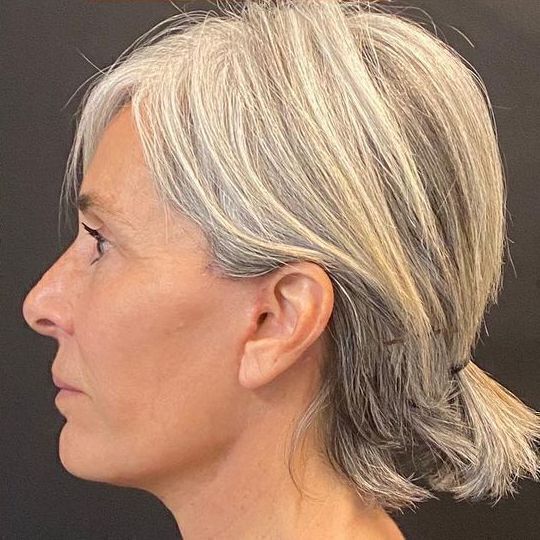
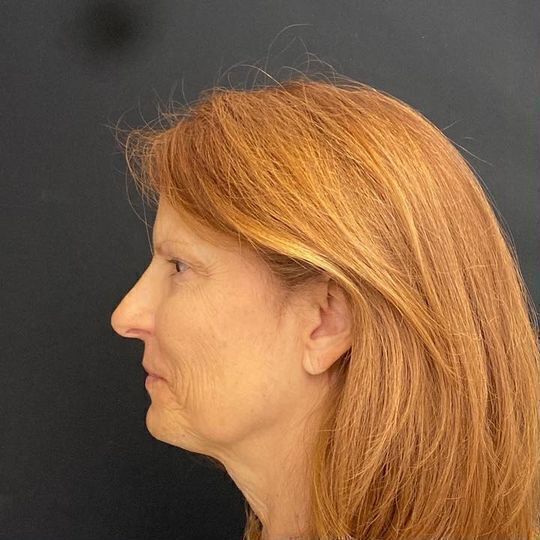
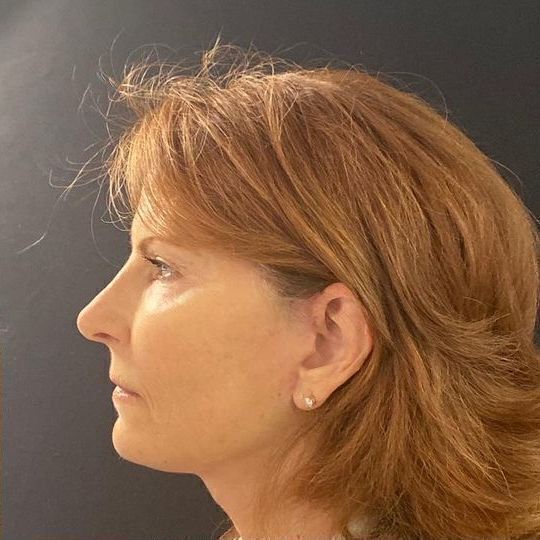
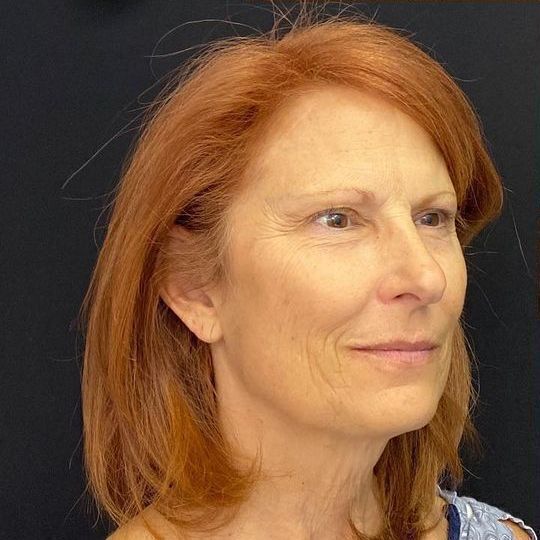
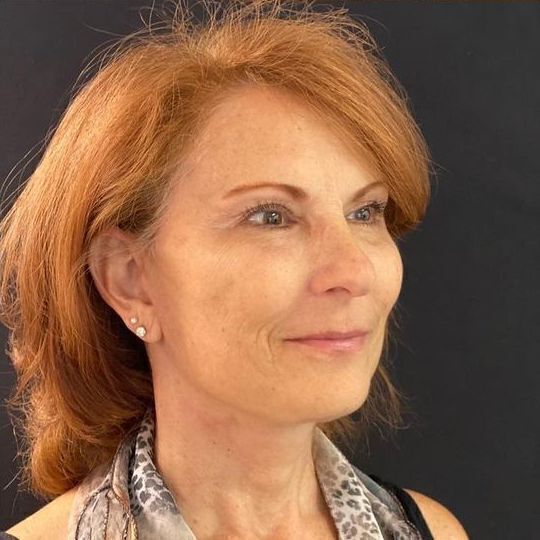
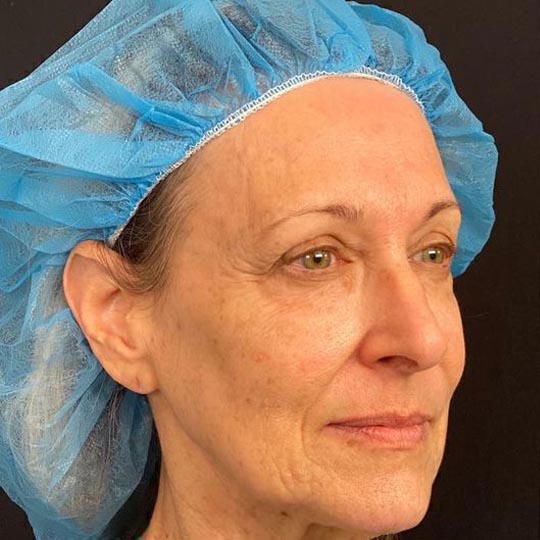
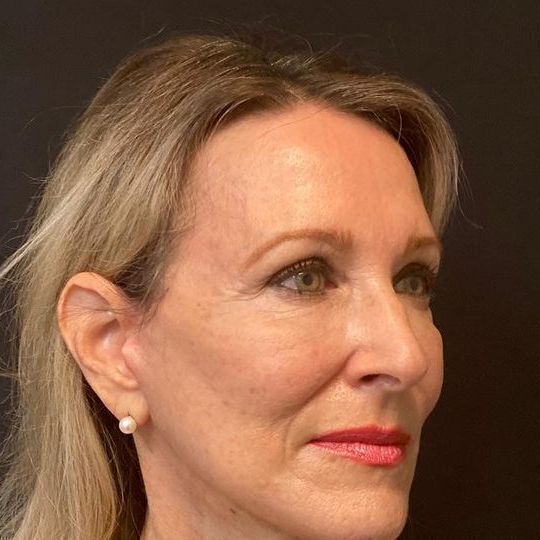
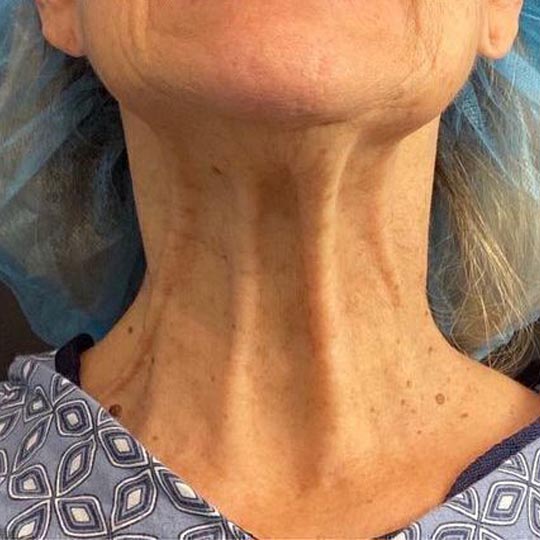
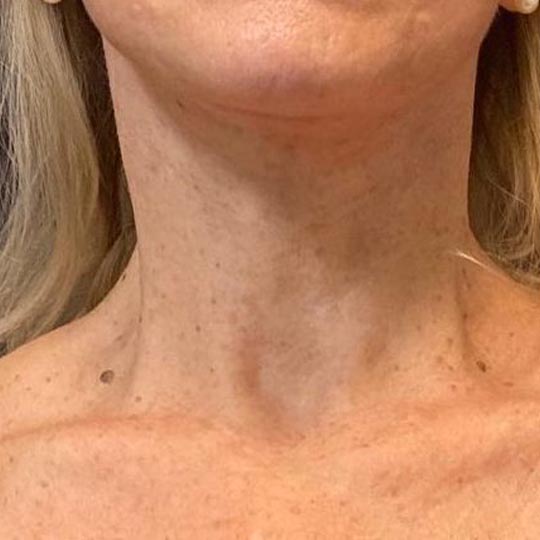
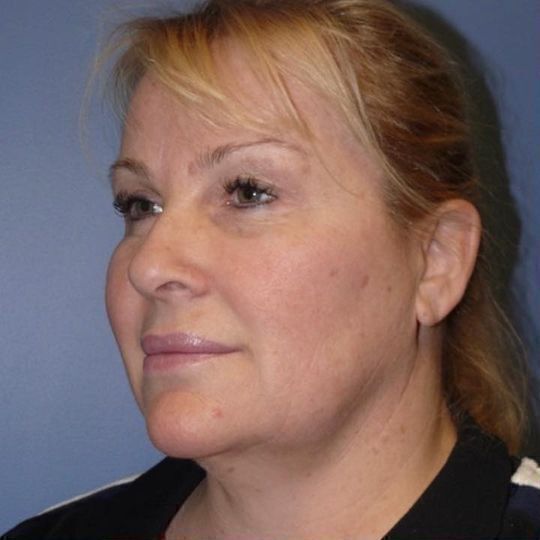
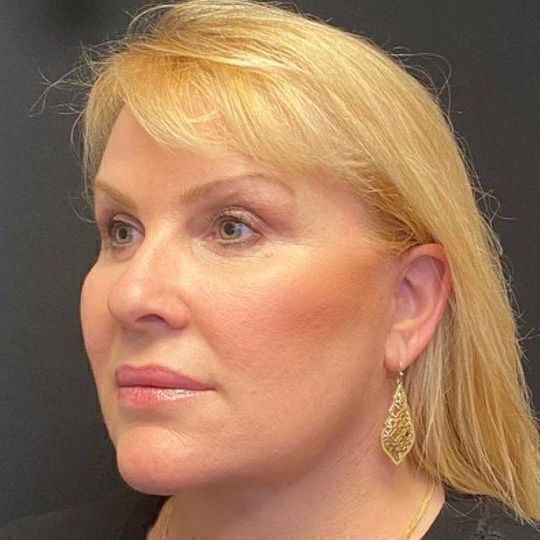
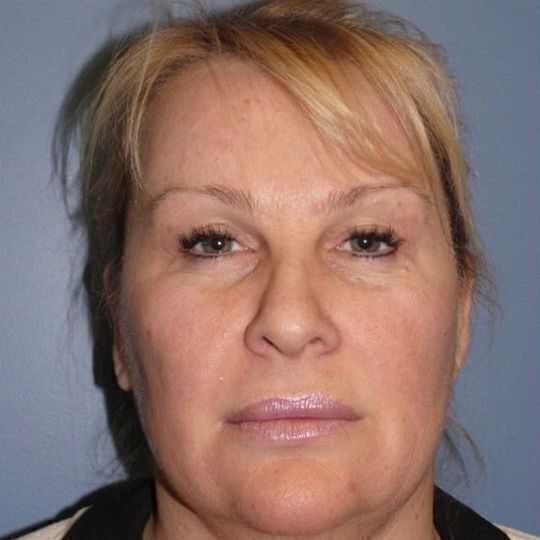
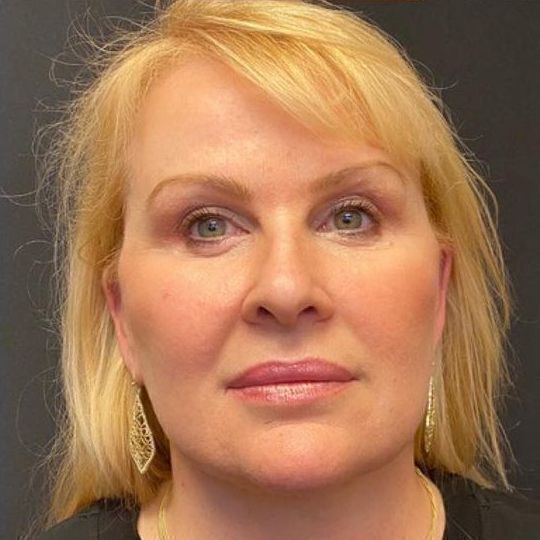
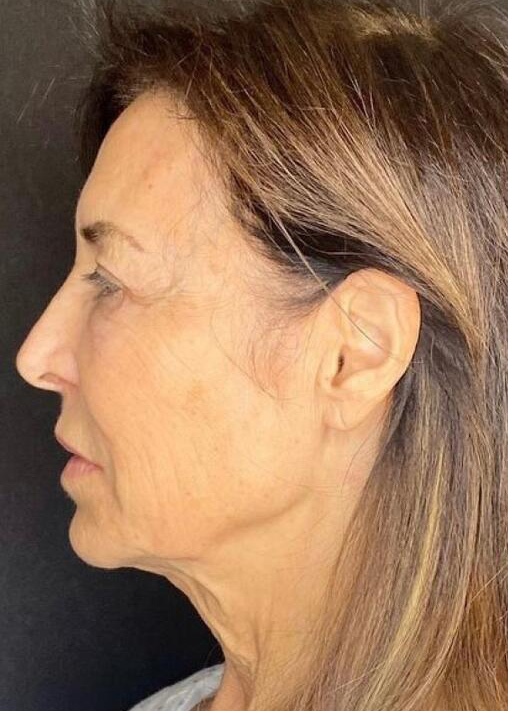
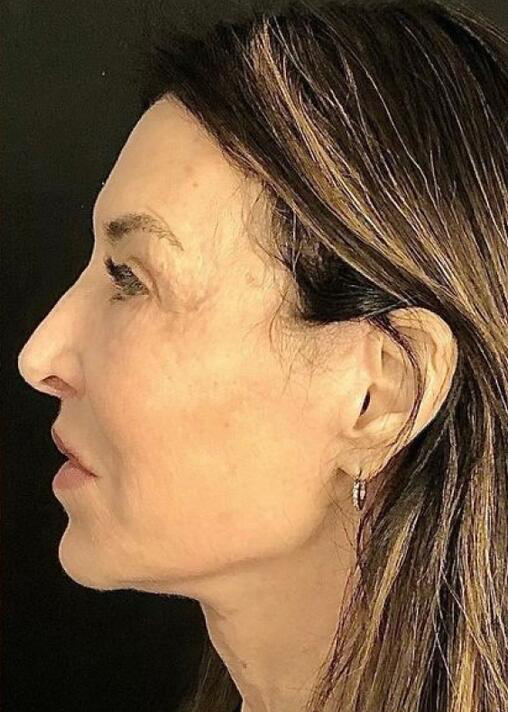
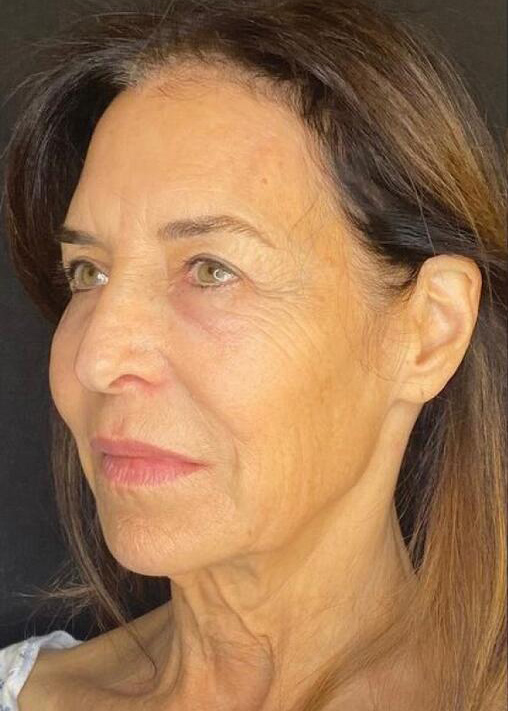
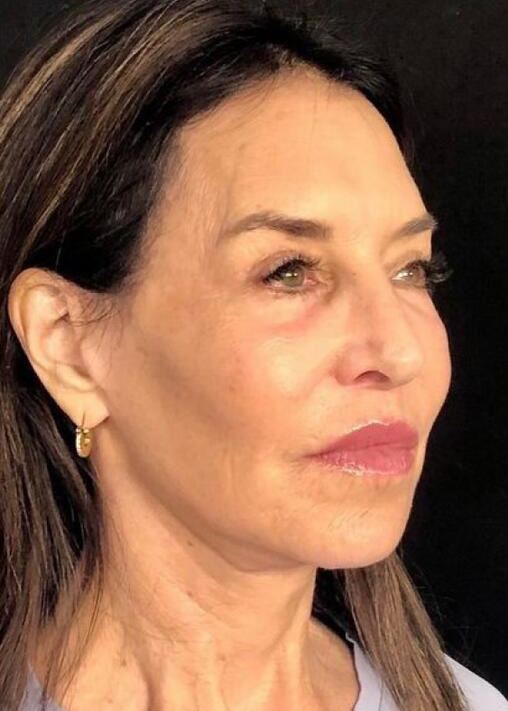
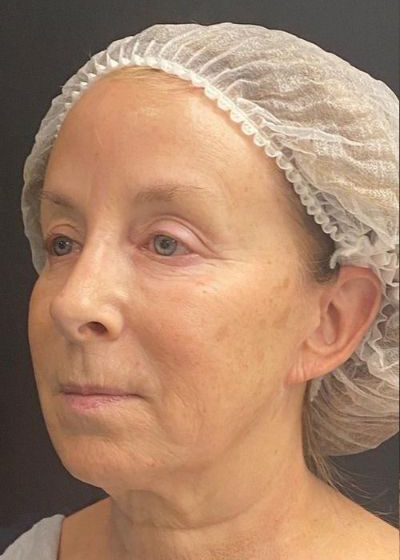
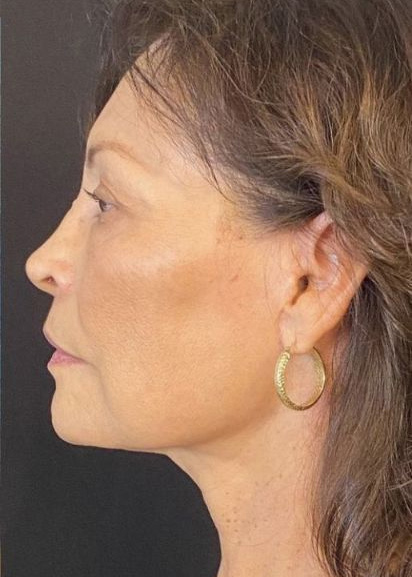
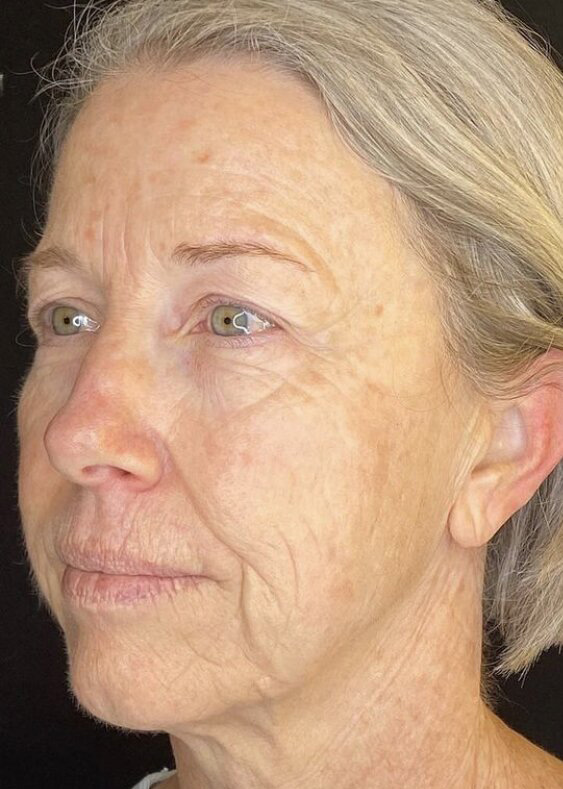
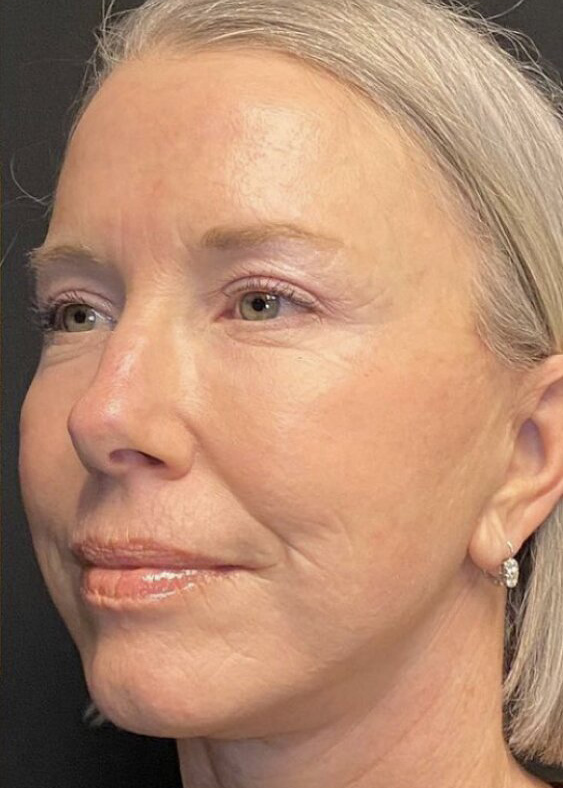
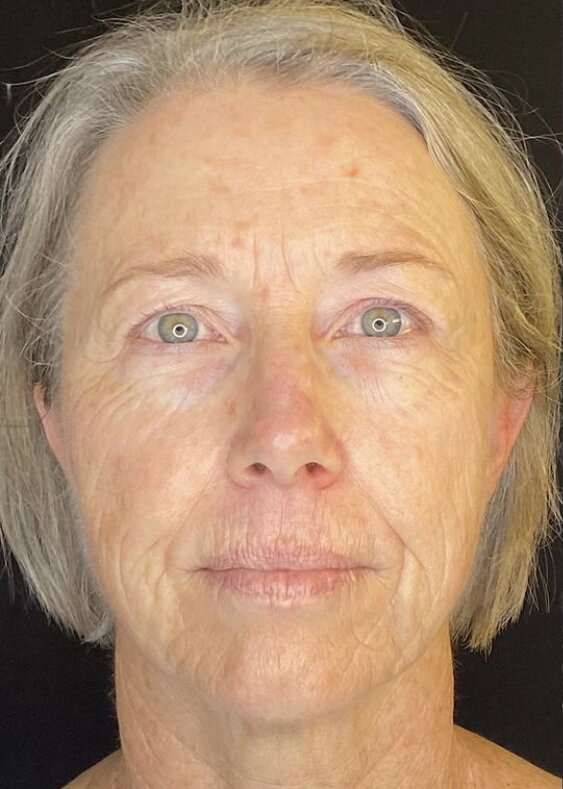
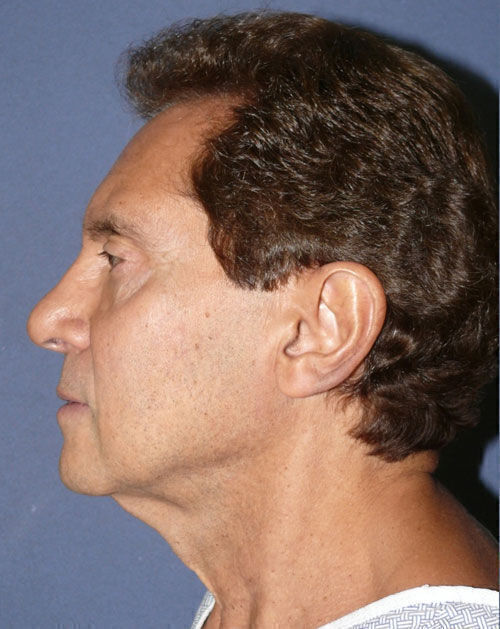
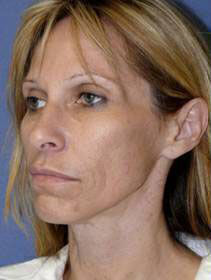
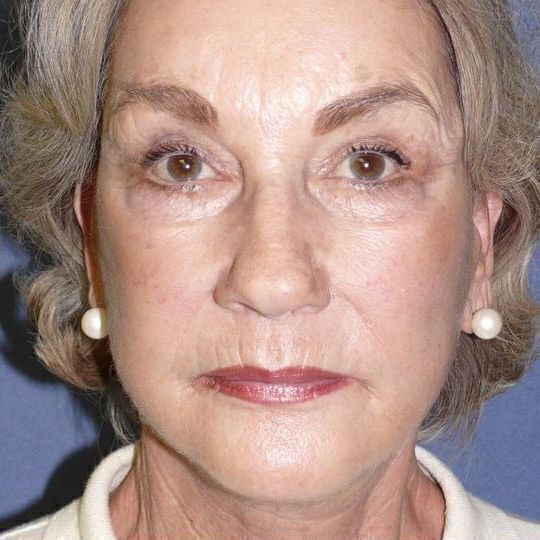
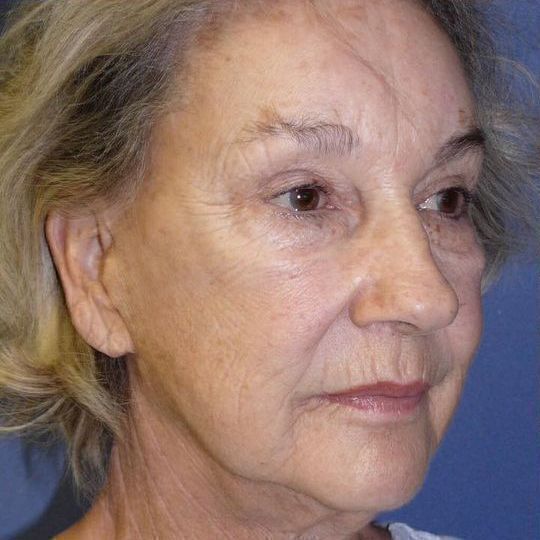
Before-and-after photographs can help patients understand the range of results possible with facelift surgery. Individual outcomes vary based on anatomy, technique, healing, and the procedures performed.
Dr. Chopra’s facelift approach is centered on thoughtful surgical planning, facial anatomy, and natural-looking rejuvenation. He evaluates not only skin laxity but also the deeper tissues, jawline, neck, facial proportions, and any volume changes that contribute to an aged appearance.
For patients who require more advanced tissue repositioning, Dr. Chopra also performs deep plane facelift surgery. During consultation, he explains which technique he recommends, why he recommends it, what the procedure can realistically improve, and what patients should expect during recovery.
Your consultation is where the surgical plan begins. Dr. Chopra will discuss your goals, medical history, previous procedures, and the specific changes you have noticed in your face and neck. He will evaluate skin quality, tissue descent, jawline definition, neck laxity, facial volume, and overall balance.
This evaluation helps determine whether facelift surgery is appropriate and, if so, which technique is most likely to address your concerns. You will also have the opportunity to discuss recovery, scars, risks, expected results, and whether another procedure should be considered at the same time.
Answers to common questions about facelift surgery in Beverly Hills.
There is no single best age for a facelift. Candidacy depends more on facial anatomy, the degree of tissue laxity, overall health, and the patient’s goals than on chronological age alone.
Facelift results are long-lasting, but the face continues to age naturally after surgery. Longevity varies according to the technique performed, skin quality, anatomy, lifestyle, sun exposure, weight changes, and other individual factors.
Facelift cost varies based on the technique, surgical complexity, whether the neck or other areas are treated, anesthesia, facility fees, and any procedures performed at the same time. A personalized quote is provided after consultation and surgical planning.
Facelift is a broad term that includes several surgical techniques. A deep plane facelift is one specific approach that works beneath the SMAS and repositions deeper facial tissues together. Learn more on our Deep Plane Facelift page.
A facelift primarily addresses the lower face and jawline, while a neck lift focuses on laxity and contour beneath the jaw and through the neck. They are often performed together when aging affects both areas.
Incisions are commonly placed around the ear and may extend into the hairline or behind the ear depending on the technique. Dr. Chopra plans incision placement to provide appropriate access while keeping scars as discreet as possible.
Recovery varies, but swelling and bruising are most noticeable early in the healing period. Many patients feel comfortable returning to work or social activities within a few weeks, while residual swelling can continue improving for several months.
The answer depends on the procedure, the patient’s healing, and the type of work performed. Many patients plan for approximately two to three weeks away from work or major social commitments, but Dr. Chopra will provide individualized guidance.
The goal of modern facelift surgery is a refreshed result that preserves the patient’s natural features. Addressing deeper tissues rather than relying on excessive skin tension can help avoid an overly tight or pulled appearance.
Yes. Depending on the patient’s goals, facelift surgery may be combined with a neck lift, brow lift, eyelid surgery, fat transfer, or other treatments. Dr. Chopra will recommend combinations only when they are appropriate for the patient’s anatomy and overall treatment plan.
No matter what brought you here, a visit with our doctors will bring out the best in you. Call us today to schedule your initial consultation, either in person or online.
465 North Roxbury Drive, Suite 1007, Beverly Hills, CA 90210